


Can doing puzzles improve cognitive abilities—is that true? And if so, which cognitive abilities can be positively affected by doing puzzles? Doing puzzles is a fine motor skill activity that also requires us to use our thinking skills.
All of this suggests that puzzles could be good for the brain and therefore represent an intelligent hobby.
- Puzzling is a relaxing hobby that offers other positive aspects besides fun.
- Puzzles allow you to stimulate different areas of your brain.
- Puzzling is a fun and meditative hobby that most people enjoy.
- You can increase the training effect with varied puzzles.
What are cognitive abilities?
"Cognitive ability" is used as an umbrella term to summarize a wide variety of abilities. Cognitive abilities describe mental processes that enable us to perceive and process our environment. Cognitive abilities are often best developed during childhood, but they can also be trained and expanded later in life.
There are various examples of cognitive abilities. For example, the ability to remain attentive is a cognitive ability. Memory, concentration, planning, and creativity are also cognitive abilities.
In everything we perceive and process, such as seeing a room, which leads to a spatial representation in our brain, or understanding numbers and calculations, a detail from our environment is cognitively processed in our brain.
This results in an ability such as
- Calculate,
- spatial awareness,
- good memory
- and the planning of processes.

What is involved in a child's cognitive development?
At first, children are mainly concerned with their immediate surroundings. As with the Wild Women in the book Ronia the Robber's Daughter, everything outside their perception is also outside their imagination. It doesn't matter to them what happens in another room.
Only with time does a child develop, through experience, the idea of a world beyond perception. The ability to "perceive" and think through something that cannot be grasped by our senses is one of the basic prerequisites for cognitive thinking.
This is how we begin to plan in childhood (Mom is in the next room. I can't hear her right now, but I can call her and then she will come) and make assumptions about the results of our actions.
The more opportunities children have to practice and consolidate this type of forward thinking, the more diverse their cognitive abilities and abstract thinking can become.

What promotes cognitive abilities?
Cognitive abilities can bepromoted particularly well in childhood, but learning effects can also be observed in older people. This is why brain training is so popular with seniors and others: it promotes cognitive abilities and keeps the mind fit – at any age!
What activities can have a positive effect on cognitive abilities?
In childhood:
- Look at picture books.
- Read aloud.
- Crafting with different materials.
- Getting to know new environments.
- Conduct physical experiments—for example, bathtub experiments.
- Play board games with others.
- Playing role-playing games.
- Dancing.
- Doing puzzles.
In adulthood:
- Reading books—it doesn't matter whether they are nonfiction or novels.
- Crafting and building.
- Tailoring – spatial awareness is particularly important here.
- Doing puzzles.
- Solve Sudoku puzzles.
- Dancing.
- Solve crossword puzzles.
- Learn an instrument.
- Learning a foreign language.
These lists are not exhaustive; there are many other ways to train cognitive abilities.
Expert tip: Puzzles are available for all ages and in various levels of difficulty.
How does puzzling improve cognitive abilities?
Puzzles are a special case. Puzzles engage different parts of our brain. Both the left and right hemispheres are equally involved, as puzzles require both analytical and creative thinking.
Why is that? In order to correctly assemble one of our magical wooden puzzles or any other type of puzzle, we first need to grasp the image as a whole and be able to reconstruct it in a creative way. However, in order to do this, we need the analytical part of our brain.
This ensures that we Sort by the parts:
- In edge and inner parts,
- by color and shape
- and so that we can then come up with a concept,
- how and in what order we can best put the pieces of the puzzle back together.
This is an enormous achievement, which is why young children should start with very simple puzzles. These are usually made of wood, have simple shapes, and clear motifs. Since puzzles are fun and stimulating for all generations, they are popular at any age.

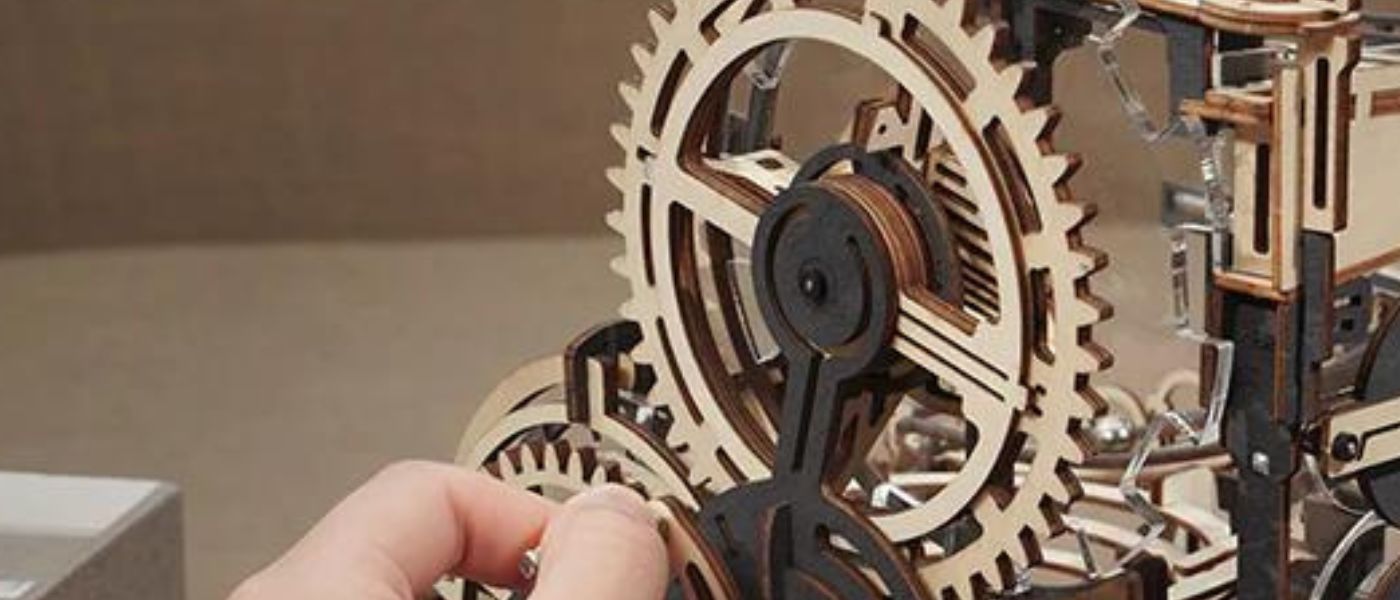
Puzzles also train fine motor skills and hand-eye coordination. Some of the skills that are considered cognitive abilities have already been mentioned above. Puzzles can be used to train some of these skills:
-
Attention: When doing a puzzle, you have to look closely at the picture and match the puzzle pieces to it. If your mind is always wandering, you will find this step difficult to do.
-
Concentration: This is linked to concentration. When doing a jigsaw puzzle, we concentrate on a picture and on placing the pieces in the right place in the picture.
-
Reminder: When doing a puzzle, we need to keep the image in our minds as clearly as possible. Of course, we can look at it again and again—but we are training ourselves to be able to recall as much of the image as possible from memory.
-
Planning: Planning is required so that we can complete the puzzle: Which pieces should we put together first?
- Imagination: If we can imagine what the puzzle should look like when it's finished, it's easier for us to do the puzzle.

Conclusion
Puzzles can help promote cognitive skills in children and adults, making them more than just a fun activity. With a hobby like puzzles, you can not only enjoy the activity, but also do something good for yourself. A selection of
- roam,
- unusual,
- colorful
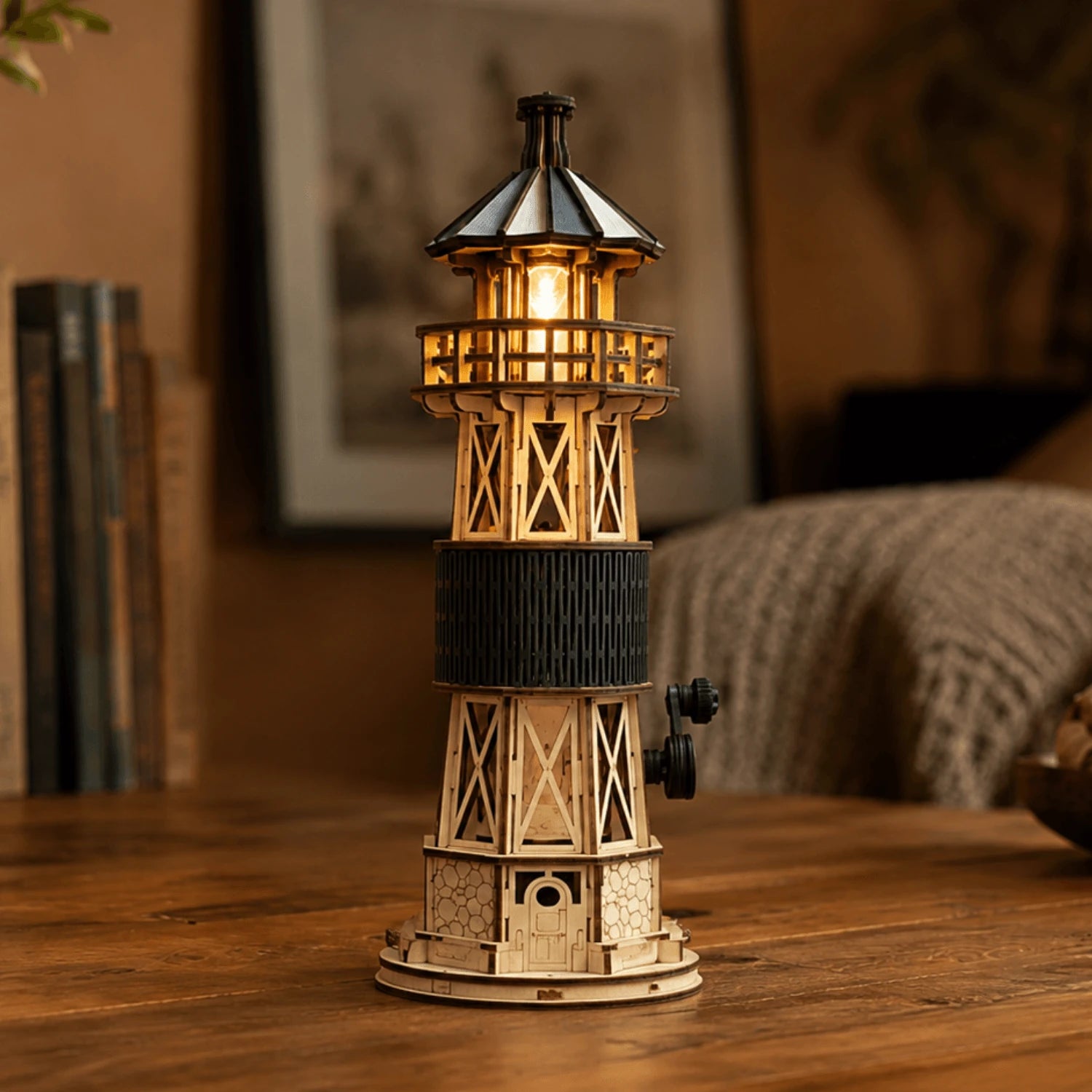
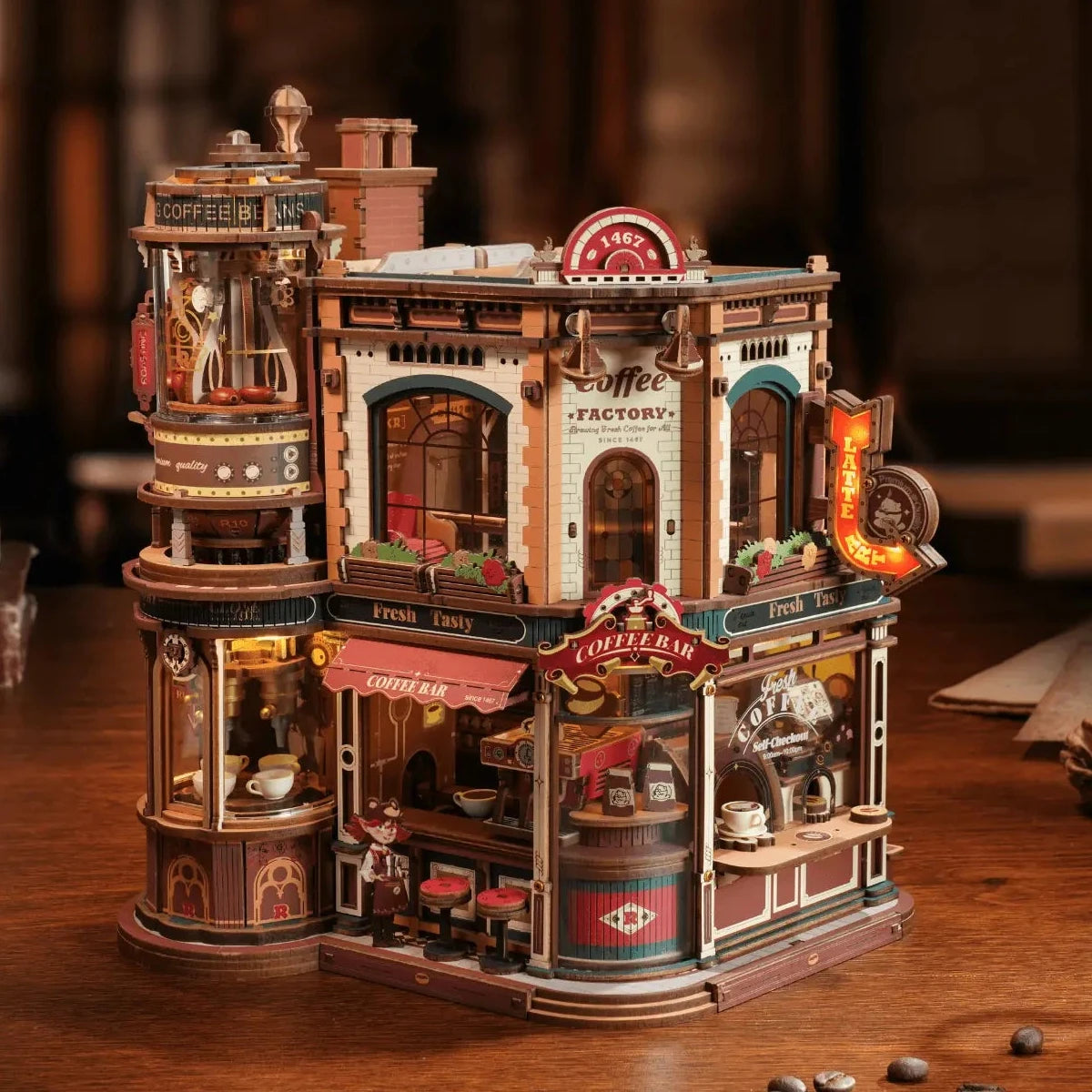
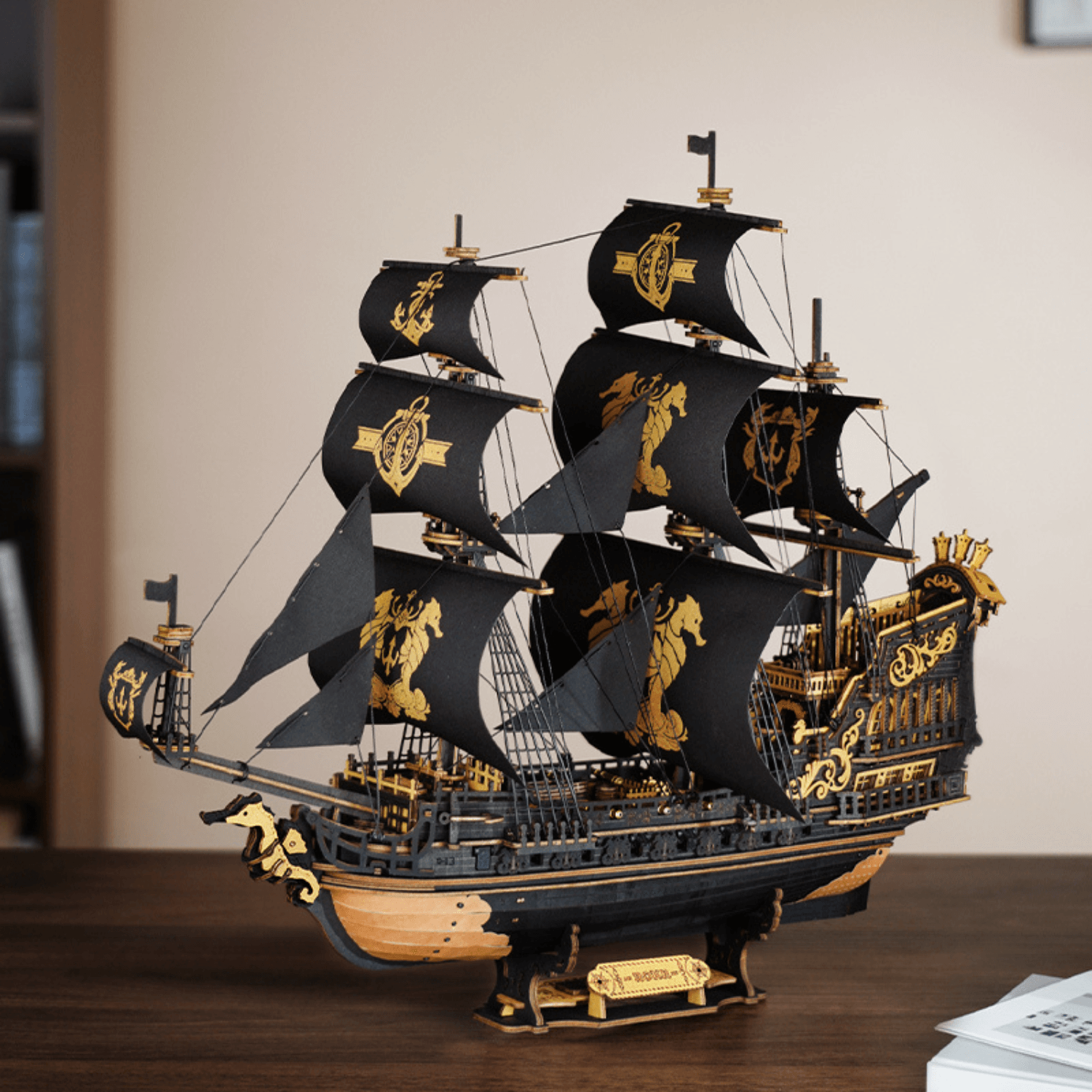
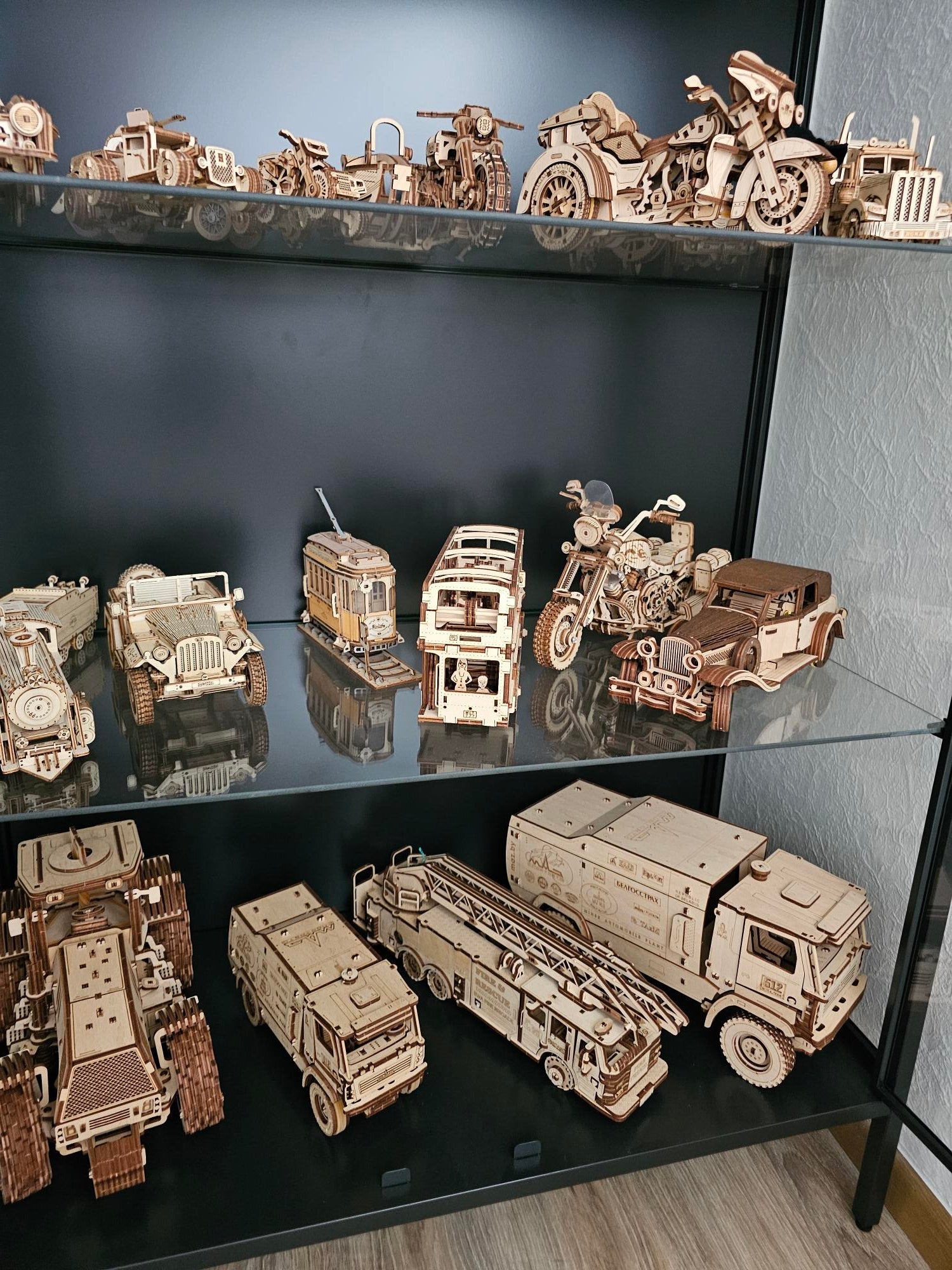
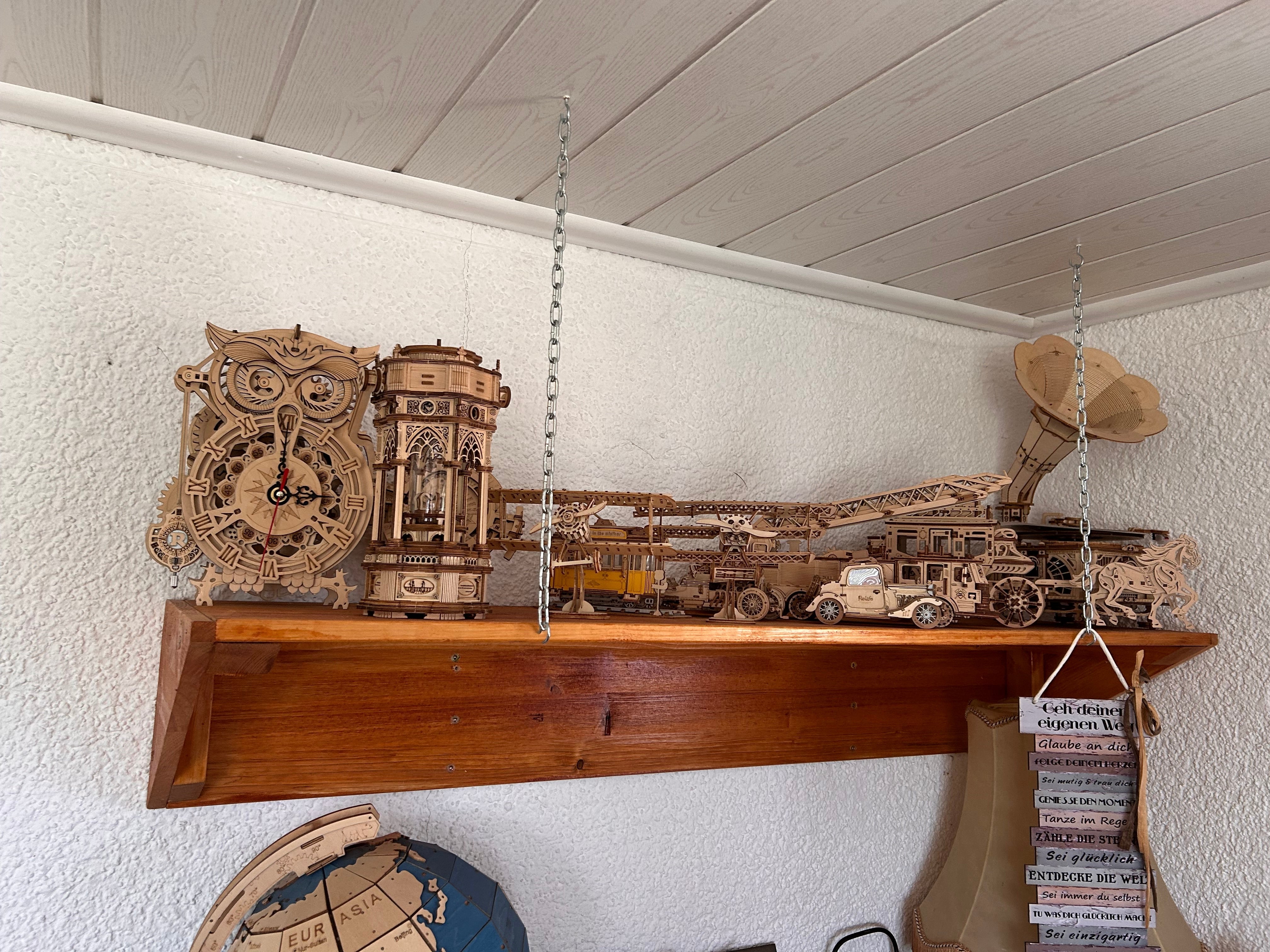
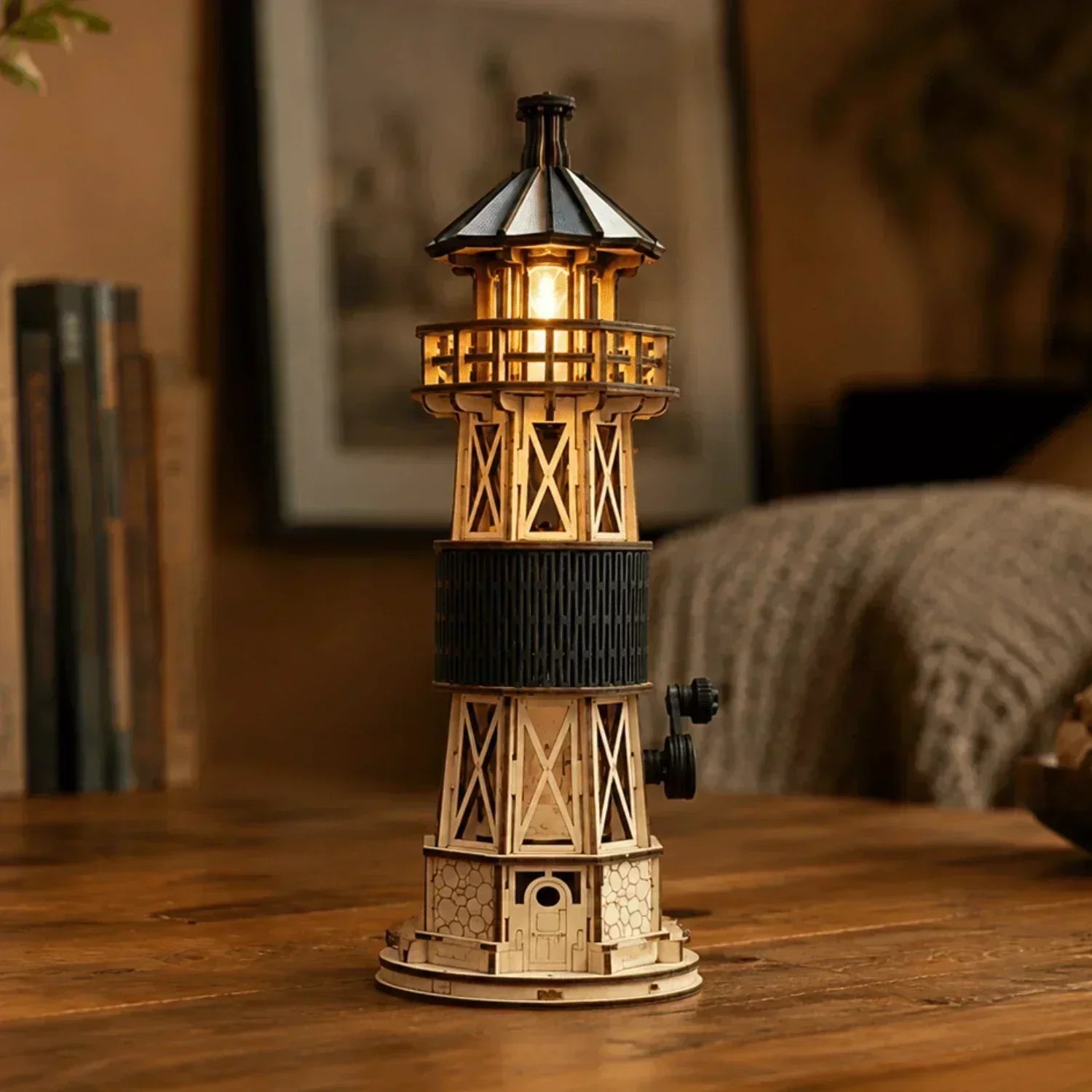
- You can also find three-dimensional puzzles in our MagicHolz .
In the various categories of our puzzles, you will find everything you need to enjoy the benefits of puzzling. There are also some 3D puzzles that can train your spatial awareness. Take a look around and be inspired!
Dive deeper and discover more captivating content.
- 8 tips for bad weather: What to do when the weather is bad?
- The best skill games for adults
- Promoting motor development in children: Ideas and tips
- Develop problem-solving skills and achieve goals
References:
- https://www.ravensburger-gruppe.de/content/wcm/mediadata/pdf/de/Presse/Pressemitteilungen/Puzzles/2018/PI_Ravensburger_Puzzle-Effekt.pdf
- https://www.medien.ifi.lmu.de/lehre/ws0506/mmi1/kognitive-faehigkeiten.xhtml
- https://praxistipps.focus.de/kognitive-faehigkeiten-definition-und-beispiele_125119
- https://econtent.hogrefe.com/doi/abs/10.1026/0933-6885/a000077?journalCode=mtk
- https://www.sciencedirect.com/science/article/abs/pii/S0949328X14000374