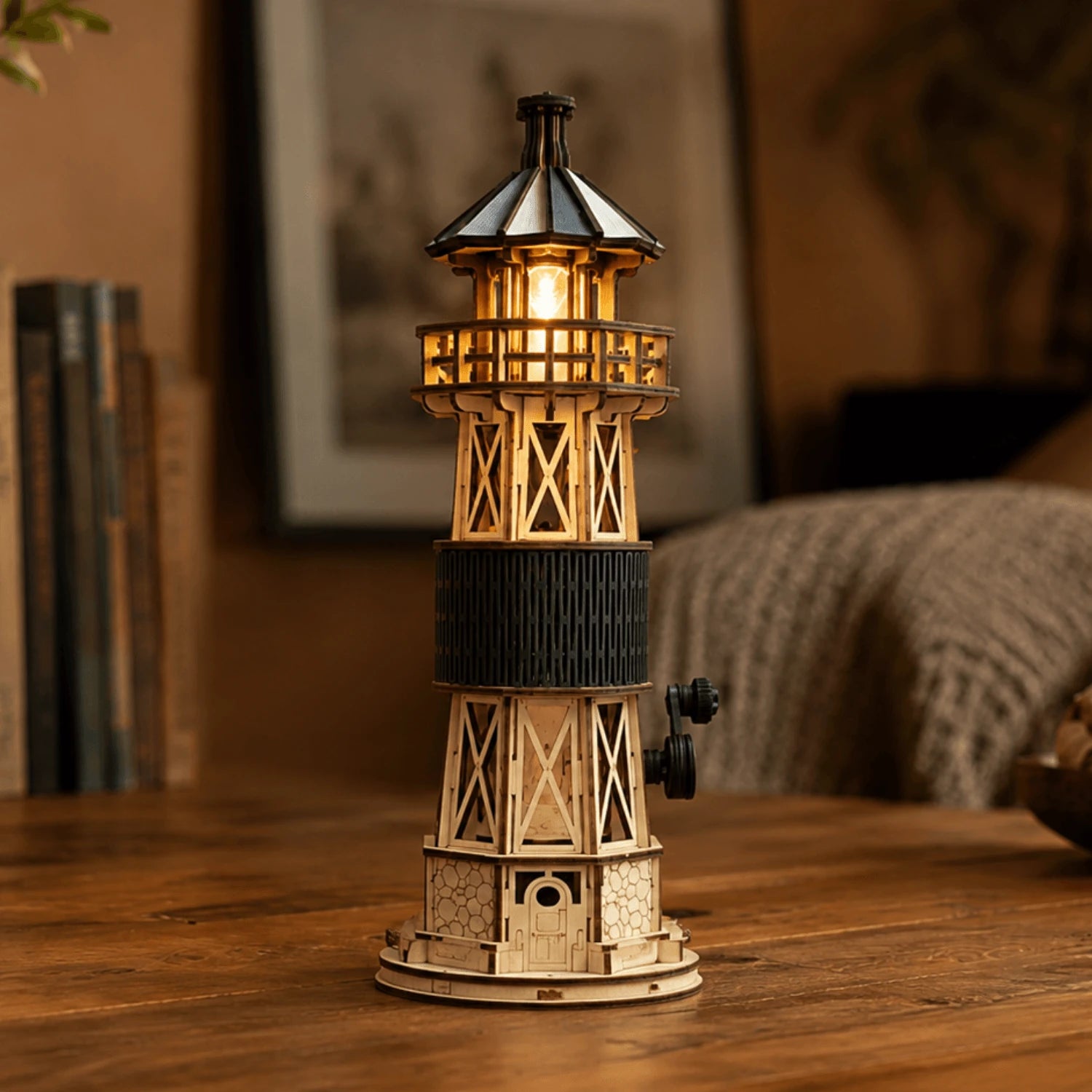




What are smart hobbies? A "smart hobby" is right for you if you are looking for an activity that challenges and stimulates you cognitively. Some hobbies influence the way we think and can even increase our mental capacity.
Science distinguishes between fluid and crystalline intelligence. While we have little influence on fluid intelligence, crystalline intelligence can be trained.
and be specifically promoted.
- Scientific hobbies can have a positive effect on intelligence.
- Which hobby promotes quick thinking? Below you will find some intelligent hobbies!
- Can hobbies really make you smarter?
11 hobbies that can improve your brain activity
As mentioned above, we humans possess two types of intelligence, which are distinguished in science.
- While fluid intelligence is largely innate and refers to the ability to explore the unknown,
- Crystalline intelligence is composed of experience, acquired knowledge, and proven thought patterns.
Crystalline intelligence can be trained very effectively by improving the neural connections in our brain through training. Cognitive performance is usually enhanced through mental training, which can cover a wide range of areas of interest.
If you want to find a hobby that can positively influence your intelligence, then take a look at the following ideas.

1. Reading pleasure on the sofa: Immerse yourself in new worlds
If you enjoy reading, you have already found a hobby that promotes your intelligence. Reading novels or documentaries expands your vocabulary and improves your ability to understand logical connections and developments.
Reading can also stimulate creativity. It doesn't matter whether you prefer a book with paper pages or a digital reader. To protect your eyes, you should avoid reading on a screen. Reading is one of those hobbies that you can easily do on your own.
2. Creative writing: Writing your own story with words
From reading to writing: You can take it one step further by not just consuming stories or documentary texts, but developing them yourself. Writing helps you process feelings and situations and teaches you to express yourself better.
Writing can even have a positive effect on yourmental health. Writing also promotes associative, creative thinking. It doesn't matter whether you choose a classic diary or a novel: both are good exercise for the brain!
3. Solve tricky puzzles: Crack the code
Writing isn't really your thing and you prefer solving puzzles? But you still enjoy hobbies you can do at home? Solving puzzles can also boost your crystalline intelligence. Whether you're working with words or numbers doesn't matter when it comes to the effect.
The great thing about puzzles is that you can do them whenever you have a little time to spare. If you always have your puzzle book handy, you can use it to relax in between other activities. There are also clever Riddle Boxesthat you can solve, and you'll find a wide selection of these in our shop:
4. Learning a new language
Learning a new language not only boosts your intelligence, it can also be very useful if you like to travel. In the past, we usually learned in the traditional way with books and vocabulary lists.
Today, there are numerous providers offering online courses that make learning a language a fun activity, usually requiring no more than twenty to thirty minutes of your time per day.
5. Playing a musical instrument
Music is one of the best-known tools for promoting intelligence. In her thesis, Mareike Wieser examined the influence of music on intelligence, attention, and creativity and concluded that music stimulates our brain.
When reading music and the fine motor skills required for the individual fingering techniques on different instruments are added to the sound, your hand-eye coordination is also improved.
6. Programming: From zeros and ones to your own app
Is programming something for nerds? That may have been the case a few years ago. Nowadays, programming is not only a useful skill, you can also use it to boost your intelligence.
Creating an app from numbers is almost like solving a puzzle game. Even troubleshooting can be seen as a challenge rather than a problem: it teaches your brain to find solutions.
7. Philosophizing: Thinking, questioning, and discussing
If you enjoy discussing profound topics with others, philosophy might be the right choice for you. Unlike puzzles, philosophy is less about arriving at a specific conclusion.
Instead, various theories are discussed, such as the two assumptions
"Human beings are inherently good."
(Rousseau)
and
"Human beings are selfish by nature, neither good nor evil, focused on gaining power [...]"
(Hobbes)
placed side by side and examined.
8. Astronomy: Unveiling the secrets of the universe
Is philosophy too abstract? Do you enjoy dealing with theories, but want them to be based on tangible material? Then take a look at astronomy! Studying celestial bodies and the associated physical theories can not only be very exciting, but also requires mental effort similar to a sporting challenge that can help you grow.
9. Debating: Shine with eloquence in passionate discussions
If you enjoy rhetoric, quick-wittedness, persuasiveness, and eloquence, debating is a great hobby for you. Debating is often less about the content of what is said and more about expressing yourself as well, skillfully, and quickly as possible.
Expert tip: Quick thinking is trained. Speaking at the same time as thinking about the next logical connection and the wording of the next sentence, while also listening to the other person and cognitively processing their arguments, is no small feat!
10. Relax with yoga or meditation
Yoga and meditation keep your brain fit. While all of the other hobbies mentioned above aim to train crystalline intelligence, yoga and meditation promote fluid intelligence and counteract its decline. Studies at the University of Giessen have shown that the flow of information functions at a higher level of performance when meditation or yoga is practiced regularly.
Control groups were formed for this purpose in order to provide scientific backing for the whole thing. Yoga and meditation can therefore help you develop the fluid part of your intelligence in a way that hardly any other hobby can.
11. The perfect hobby for fans of brain teasers
- spatial awareness,
- logical thinking,
- Problem-solving skills and concentration.
- Landscapes,
- animal pictures,
- city motifs
- or works of art, while expanding your knowledge of various topics.
Conclusion & recommendation
"Intelligent hobbies" – i.e., hobbies that promote intelligence – can be found in a wide variety of areas. While a few hobbies promote fluid intelligence, most hobbies allow you to work on your crystallized intelligence and thus promote what is known as "wisdom of age."
Since intelligence keeps us young and agile and has a positive influence on our social interactions, it is worthwhile to pursue at least one such hobby.
Be sure to read these articles too: