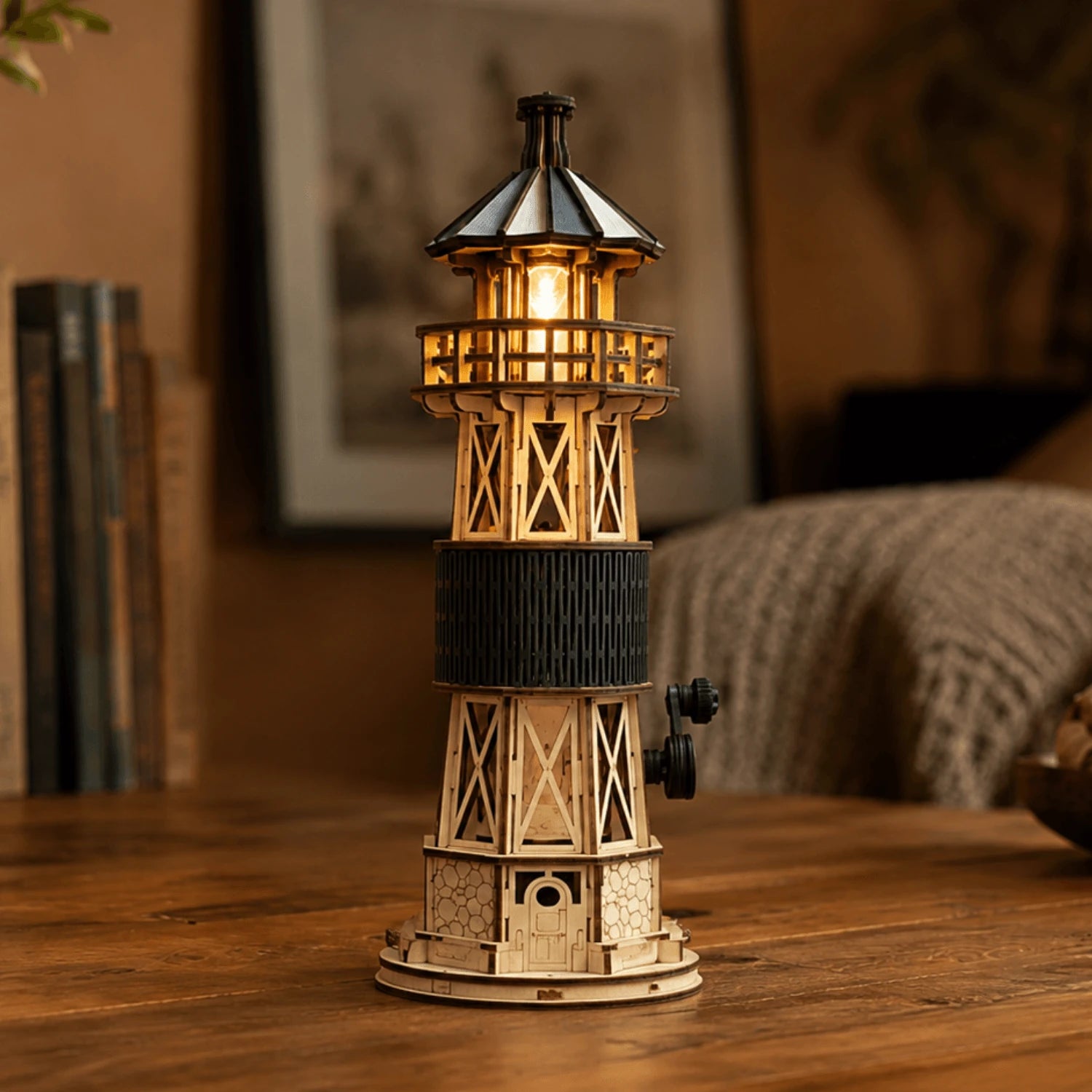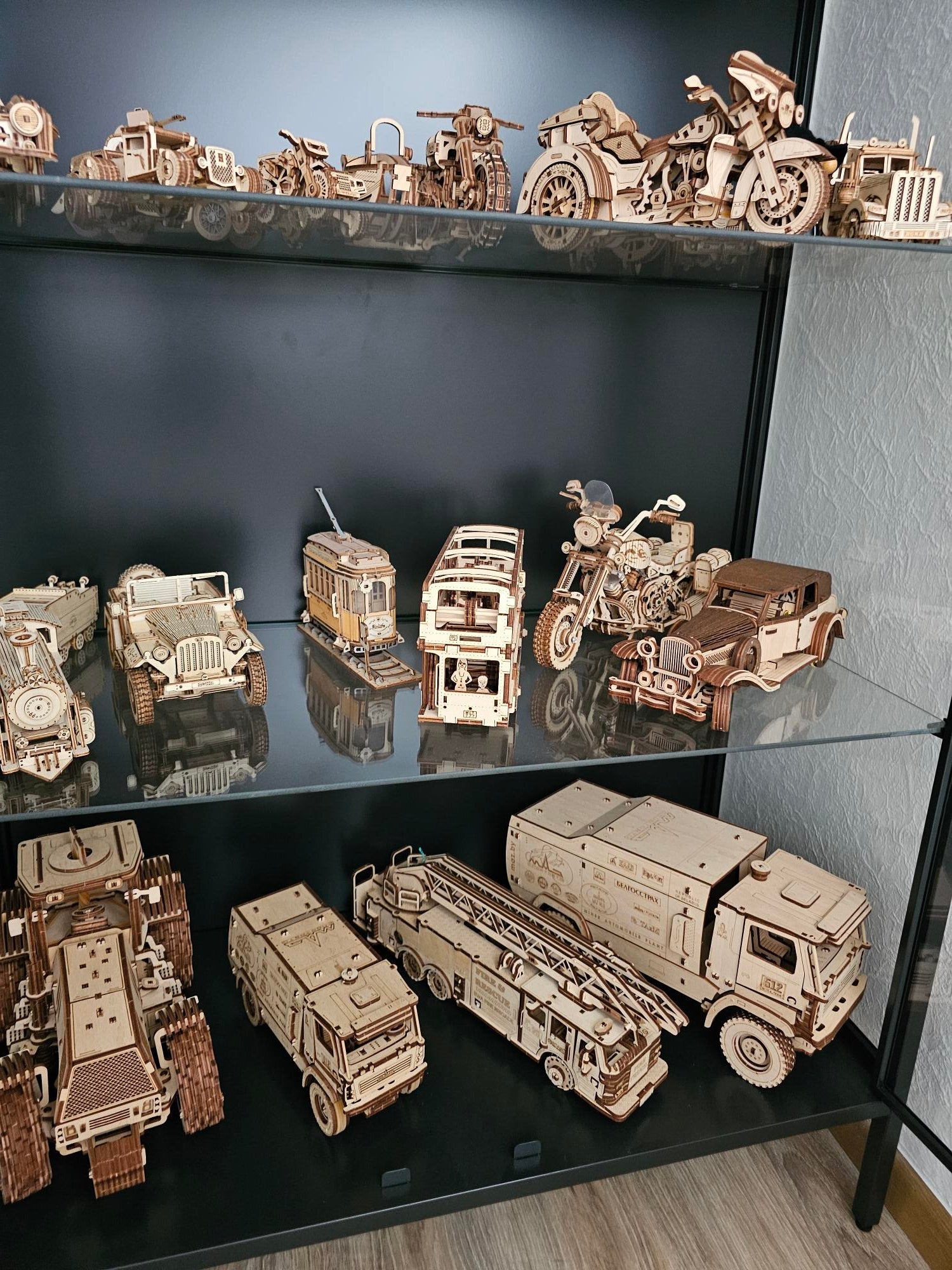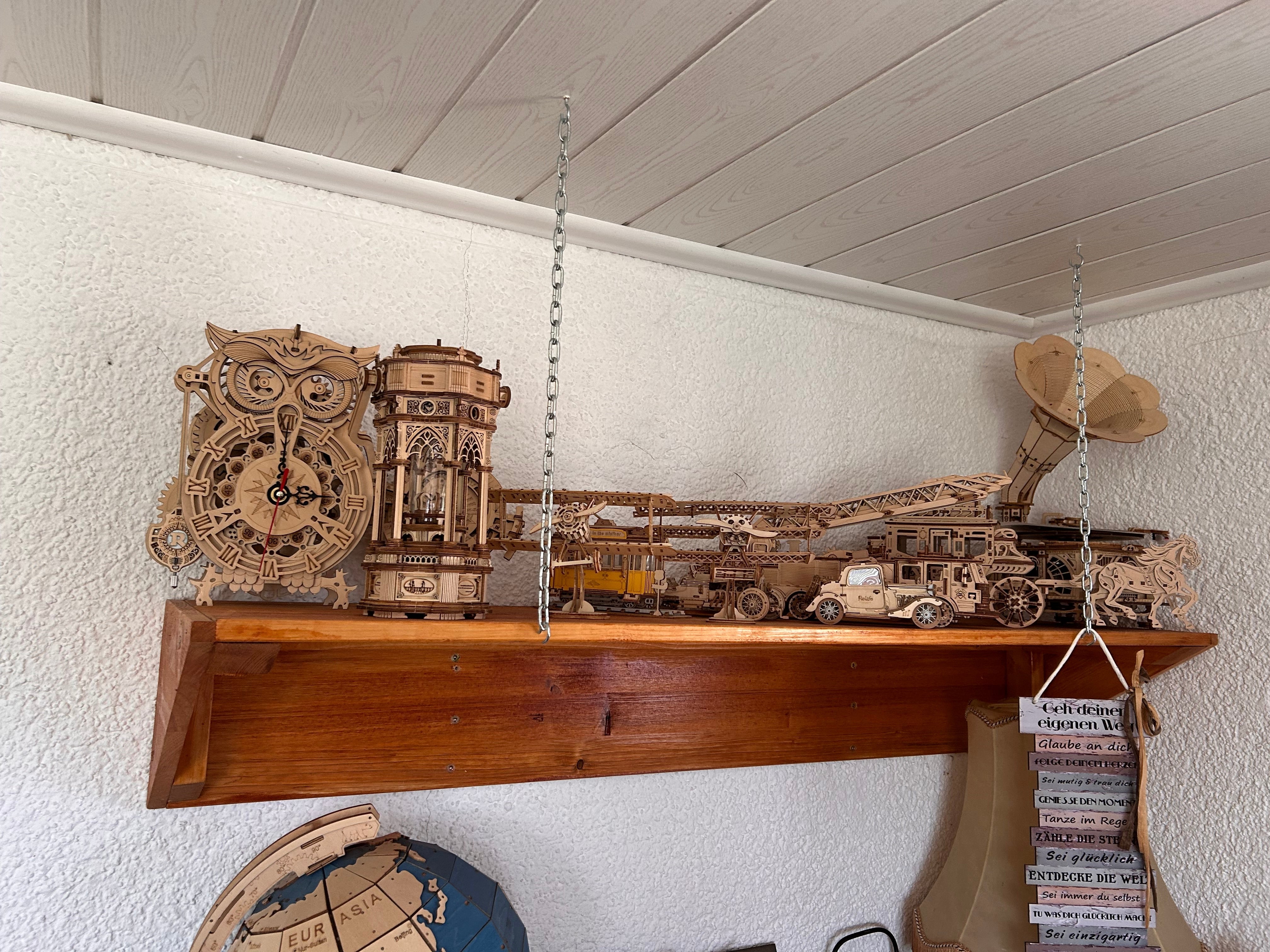




To stay mentally fit, there are a few exercises that ensure your "thought processes" remain flexible and promote concentration. You can do many of these exercises at home without needing a lot of equipment.
Brain training for the over-50s: What are the best tips for flexible thinking in old age?
Mental fitness in old age: Staying mentally fit in old age is the best way to enjoy life to the full.
You can train your brain with lots of exercises—and they're fun too!
How can I train my brain? In this article, you will find a variety of tips on how to train your brain and improve your brain power!
What does it mean to be mentally fit?
Everyone wants to be mentally fit—but what does that actually mean? Our brain consists of millions of synapses, and we can imagine our "thought processes" as roads:
According to conventional thinking, well-traveled roads are smooth and easy to drive on. Ways of thinking that we don't "travel" often become overgrown—and must first be "cleared" again.
With targeted training, even the overgrown "roads" can be cleared again, and soon it will be just as comfortable to drive on them as on the well-trodden paths! The more "roads" there are in our brain, the higher we rate our "mental fitness."
This simply means that we not only think faster, we also think in more different directions and our chains of association improve.
Why is it important to stay mentally fit?
Forgotten your keys and locked the door? Left the stove on or the iron plugged in? As we age, we become more forgetful and our ability to think and remember things declines.
The ability to think and remember is not only essential for everyday life, making life easier. It also brings us more joy. We remain more flexible in our hobbies, at work, and in our interactions with other people.
In the best case scenario, mental fitness can even prevent diseases such as senile dementia. That's why brain training is particularly beneficial for seniors.

Do wooden puzzles help you stay mentally fit?
Children enjoy doing puzzles. In the process, they learn some important skills such as
- Fine motor skills,
- hand-eye coordination,
- Endurance,
- Recognizing shapes
- as well as spatial thinking.
Putting together a picture from individual pieces is not only fun—it's also educational! Can this learning be transferred to a later age?
Or do we only need to learn these skills once during childhood and then no longer need to concern ourselves with them? Puzzles can also have a positive effect on adults.
After all, even in adulthood, the above-mentioned skills are further trained by doing puzzles, thus ensuring mental fitness on various levels. Puzzles can actually help us become less forgetful in old age, for example.
Solving puzzles also trains patience and perseverance—two skills that continue to play an important role in old age. Another positive effect is that hobbies such as puzzles help you switch off after work.
5 tips to stay mentally fit
To maintain mental fitness into old age, a little effort on your part is required. Many games are suitable for training the brain with exercises.
The great thing about it is that most of these exercises not only keep you mentally fit, but are also fun and a great way to spend your free time.
Expert tip: Brain training exercises are not a necessary evil, but a pleasure!
1. A balanced diet
A balanced diet is important for general health, but also for mental fitness. Our brain needs nutrients and micronutrients just as much as the rest of our body. If something is missing, our concentration and performance levels decline.
A healthy diet lays the foundation for mental fitness, which you can then further develop with exercises!
2. Get enough sleep
Sleep is another foundation for mental fitness. Without sufficient sleep, our concentration suffers and we quickly begin to drift off or lose the ability to follow straightforward trains of thought.
Getting enough sleep, just like eating a healthy diet, is therefore an important basis for mental fitness.
3. Mental stimulation through puzzles, reading, or learning
Once a good foundation has been laid through sleep and a healthy diet, mental development can flourish optimally. These exercises, also known as "brain jogging," can take many different forms.
It is best to combine different exercises to train different "ways of thinking" in your brain.
This means that exercises can be done,
- that promote memory performance,
- as well as exercises that support creative thinking
- or promote concentration and perseverance.
Sensory exercises also contribute to mental fitness. Variety is essential when it comes to brain training. For example, you can challenge yourself with
- Dealing with numbers in a Sudoku puzzle,
- with words and associations
- as well as fine motor skills activities such as puzzles.
There are many types of puzzles, ranging from easy to Riddle Box.
4. Regular physical activity
Regular physical activity also helps to keep the mind flexible and increase mental fitness. Although this does not directly train the brain, it does have an indirect effect on it.
The exact reason for the positive effect of physical activity on brain performance has not been conclusively clarified.
It is possible that improved blood circulation in the brain plays a role. However, the necessary coordination of movements may also have an influence. Exercising can even reduce the risk of developing Alzheimer's disease.
It doesn't always have to be endurance running. It already helps to always take the stairs instead of the elevator and not to do everything by car.
5. Social interaction and social support
Humans are social beings, and as such we need to interact with others. Interaction ensures that we come into contact with other opinions, other views and worldviews, and a wide variety of experiences—both positive and negative—without having to experience everything ourselves.
The flexible mindset required for interacting with others keeps us mentally healthy and broadens our horizons.
Conclusion
Staying mentally fit into old age is not rocket science! With just a little time and effort, you can maintain a flexible mindset and good memory into old age.
More interesting articles for you:
You may also be interested in:
- Hobbies for couples: Unforgettable moments for two
- Switch off after work: 9 tips for shutting down
- Brain training for seniors " 5 exercises for mental fitness
- Hobbies for men » The ultimate list for inspiration
- Employment for seniors: For a fulfilling life in old age
- 7 hobbies for pensioners & seniors " For variety in retirement