



Staying mentally fit into old age is a goal that many people aspire to, not only for themselves but also for their relatives and friends. In this article, you will find tips on what you can do to stay mentally fit.
But also how you can motivate those around you to do something for their mental fitness in old age.
The most important points summarized:
- Memory training for seniors can make everyday life easier: forgetfulness often makes everyday life difficult. There are a few tricks that can help counteract this.
- Brain training for the over-50s helps maintain mental flexibility, which makes it easier to participate in social life.
- Training your brain has many benefits. In some cases, it can even help prevent Alzheimer's or senile dementia. This was proven by the so-called "FINGER" study from Finland, which showed in 2014 that a healthy lifestyle and training cognitive performance are directly related to mental health in old age.
- Many games that train the brain not only promote mental fitness: they are also simply fun and therefore an ideal activity for seniors!
What exactly is brain training?
Jogging is exercise. When you run through the park, you train your muscles and improve your fitness. Brain jogging is also exercise and is therefore also described as "jogging." We can think of our brain as a muscle that needs to be trained just like any other muscle in our body—and not just for the over-50s.
But of course, we need something other than conventional muscle-building exercises to achieve this. How do you train such a complex "muscle" as the brain?
Quite simply: through everything that stimulates our thinking. This includes exercises for
- Coordination,
- puzzles,
- Games,
- Puzzle
- and creative work.
Why is brain training so important for seniors?
Brain training can be done at any age, butstaying mentally fitis especially important for seniors. Memory training for seniors can help them practice specific everyday skills.
Memory retention can also be improved, which can prevent memory problems or counteract existing ones.
Brain training for seniors: 5 effective exercises
There are so many brain training exercises available that it can sometimes be difficult to choose the right ones. Below are a few tips for the best brain training exercises that provide cognitive training and are fun at the same time.
Crossword puzzles: A classic for mental fitness
Solving puzzles is simply part of brain training. A classic puzzle is the crossword puzzle. These are often found in newspapers or magazines, but there are also entire books that consist solely of crossword puzzles.
Everyone has the motivation to solve crossword puzzles: puzzles inspire us.
Riddle Boxes: Brain training for seniors and their grandchildren
Something that, as mentioned above, all people have in common: we like to puzzle things out. And we like to puzzle things out together.
It's no coincidence that the five friends are still going strong after all these years. Basically, all they do is solve puzzles together, and viewers or readers get to share in the excitement. The fact that we all share this passion Riddle Boxes ideal way Riddle Boxes bring multiple generations together.
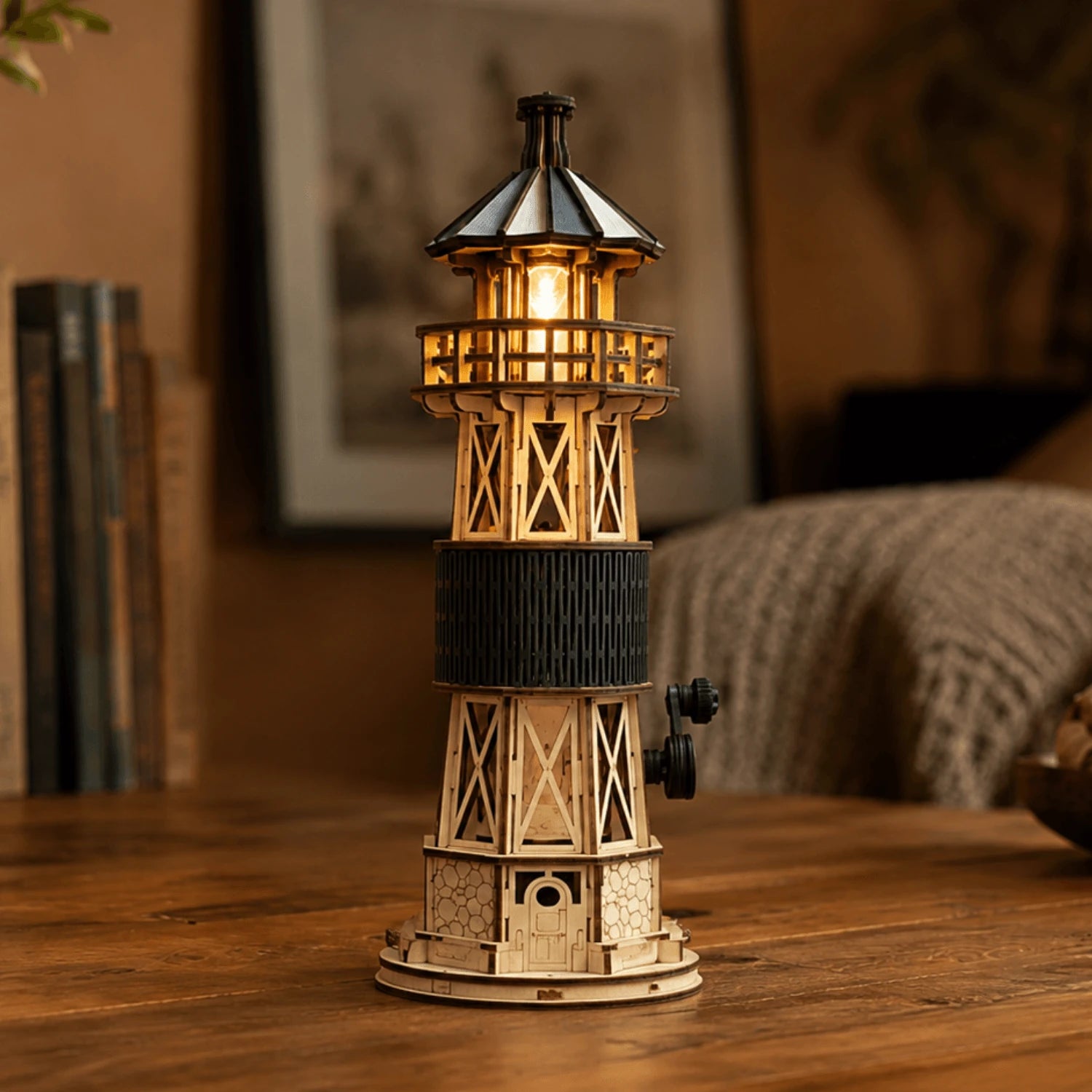
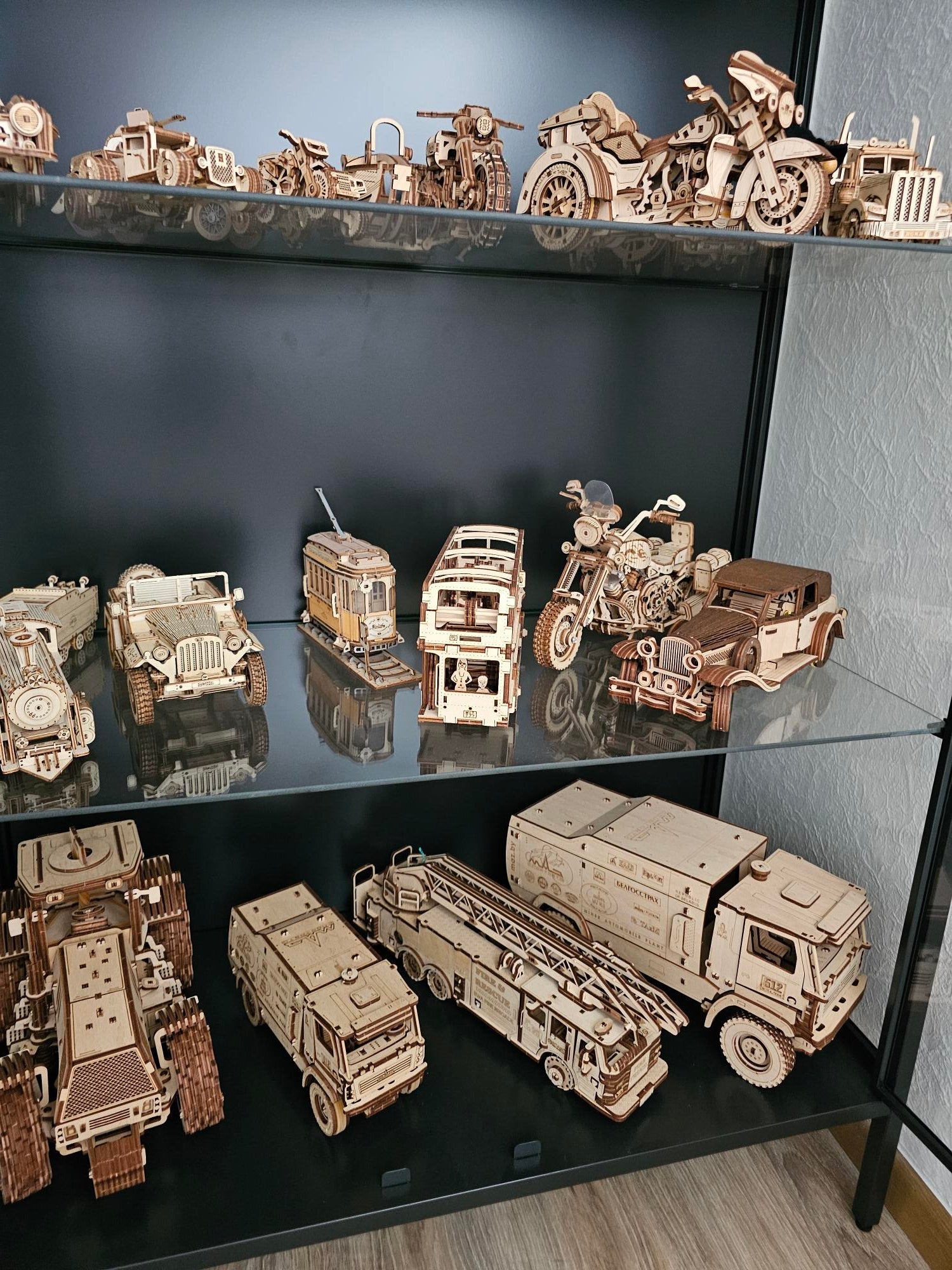
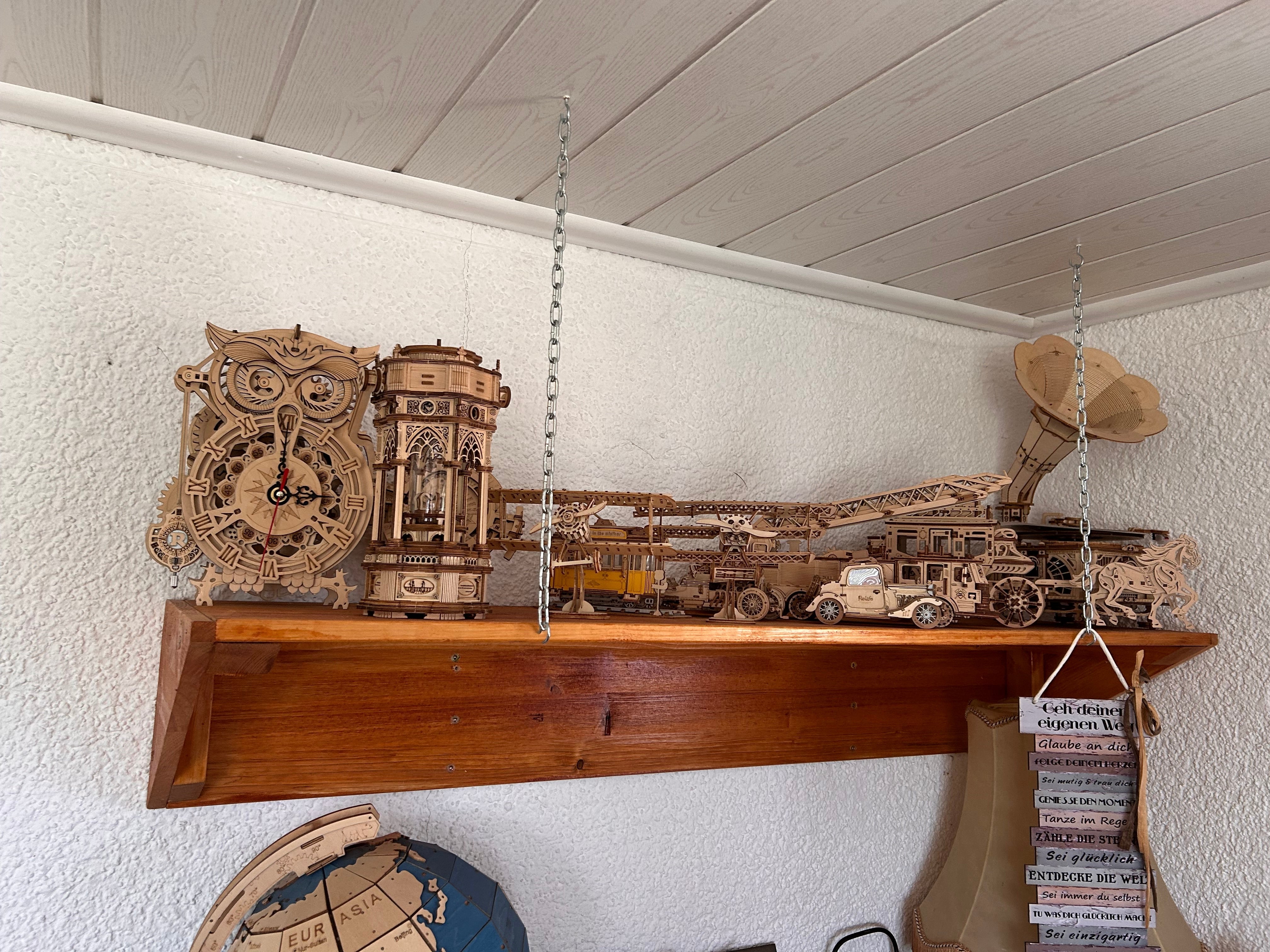
The Riddle Boxes from MagicHolz are MagicHolz well suited for this purpose. MagicHolz a wide selection of Riddle Boxes trick boxes. Customers repeatedly report positive "results" from solving the Riddle Boxes.
Thorsten W., for example, reports:
"Riddle Boxes MagicHolz my mind sharp, and I feel the difference every day."
MagicHolzRiddle Boxes are designed to contain different levels of difficulty and types of puzzles. This allows beginners, advanced users, and professionals alike to improve their mental abilities and master challenges.
Memory games: Train your memory in a playful way
Only for children? Not at all! Playing memory games is not only fun, it also trains your memory! Is the simple two-player memory game too boring? How about a memory game where you don't have to find two matching cards, but only two cards that belong together?
These are available to buy ready-made, for example with limericks. Another good idea is to create your own memory game. You can find suppliers for this on the internet. Brain training games such as memory are best played throughout your entire life!
Sudoku: A challenging exercise for the brain
Solving a Sudoku puzzle trains our brain on various levels. First, patterns must be identified. Then, number sequences must be recognized and calculations must also be performed.
Sudoku puzzles are a truly versatile way to train our brains. That's why Sudoku is particularly well suited as brain training for seniors.
brain teasers
Completing tasks is part of brain training. Many of these tasks are so-called "brain teasers." These involve solving puzzles—the important thing here is not so much finding the right answer, but rather the process of thinking, because that alone keeps your mind sharp.
Of course, it's more fun when you find the right solution. Brain teasers can be found on the internet, but there are also many books with such puzzles.
How can brain training be integrated into everyday life?
Brain training can also be easily integrated into everyday life—for example, you could solve a Sudoku puzzle or a riddle while enjoying your morning coffee. Fixed rituals are best, such as a morning visit to friends to play games together.
But even everyday activities such as brushing your teeth can be used for small exercises. When brushing your teeth, for example, you can incorporate small balance exercises or try brushing with your left hand—which is usually not that easy!
How often should seniors do brain training exercises?
When it comes to brain training, it's better to do short sessions several times a day than to try to concentrate on one task for three hours straight.
Activities that can have a meditative effect when performed over a longer period of time, such as painting or solving a2D or 3D puzzle, are an exception.
Conclusion
Brain training for seniors is a good way to prevent forgetfulness and rigid thinking patterns. Games that are played together are helpful, as are puzzles and brain teasers that can be solved alone.

Any more ideas for seniors and retirees to pass the time and stay fit?
You may also be interested in:
- Hobbies for couples: Unforgettable moments for two
- Switch off after work: 9 tips for shutting down
- Hobbies for men » The ultimate list for inspiration
- Employment for seniors: For a fulfilling life in old age
- Stay mentally fit: The best exercises for everyday life
- 7 hobbies for pensioners & seniors " For variety in retirement