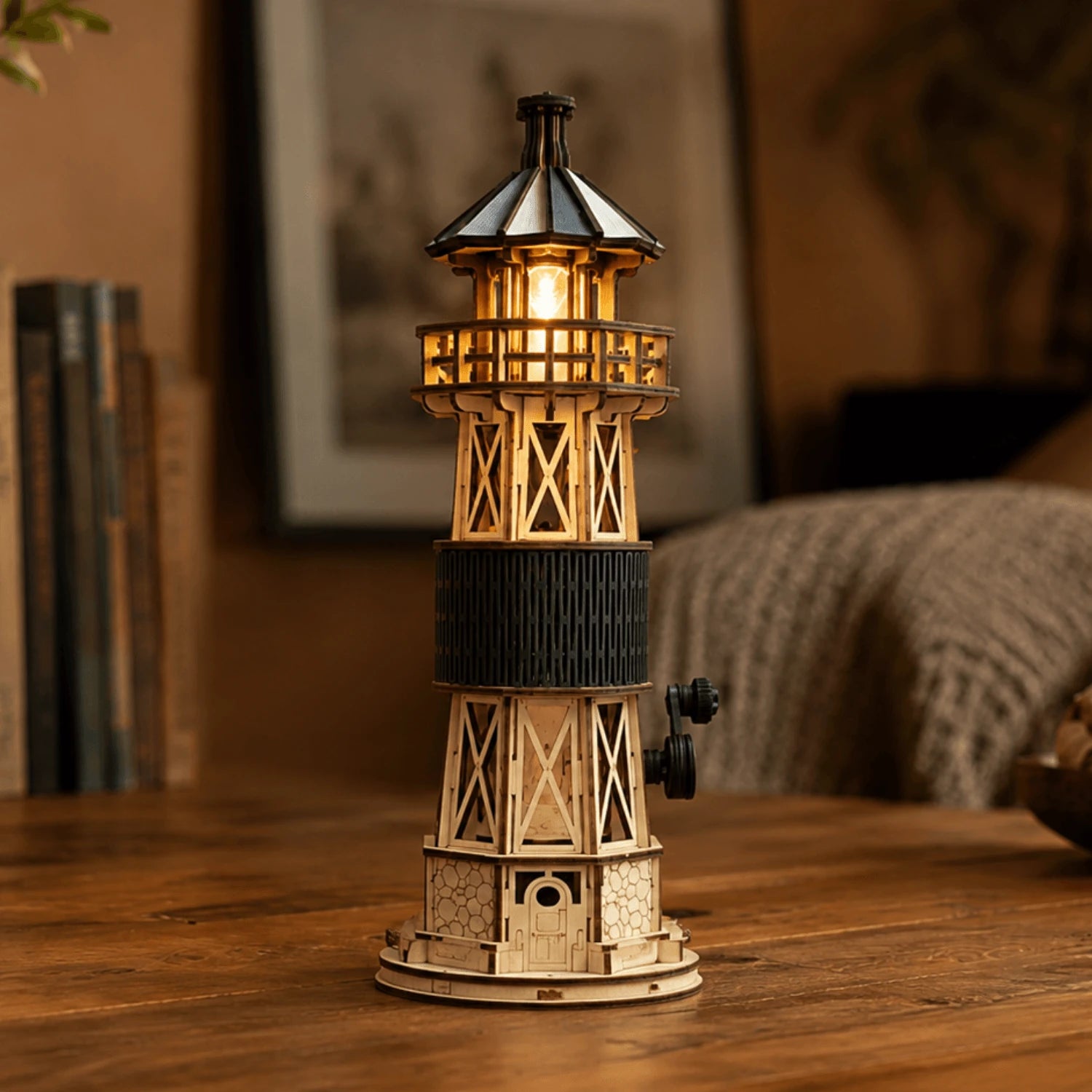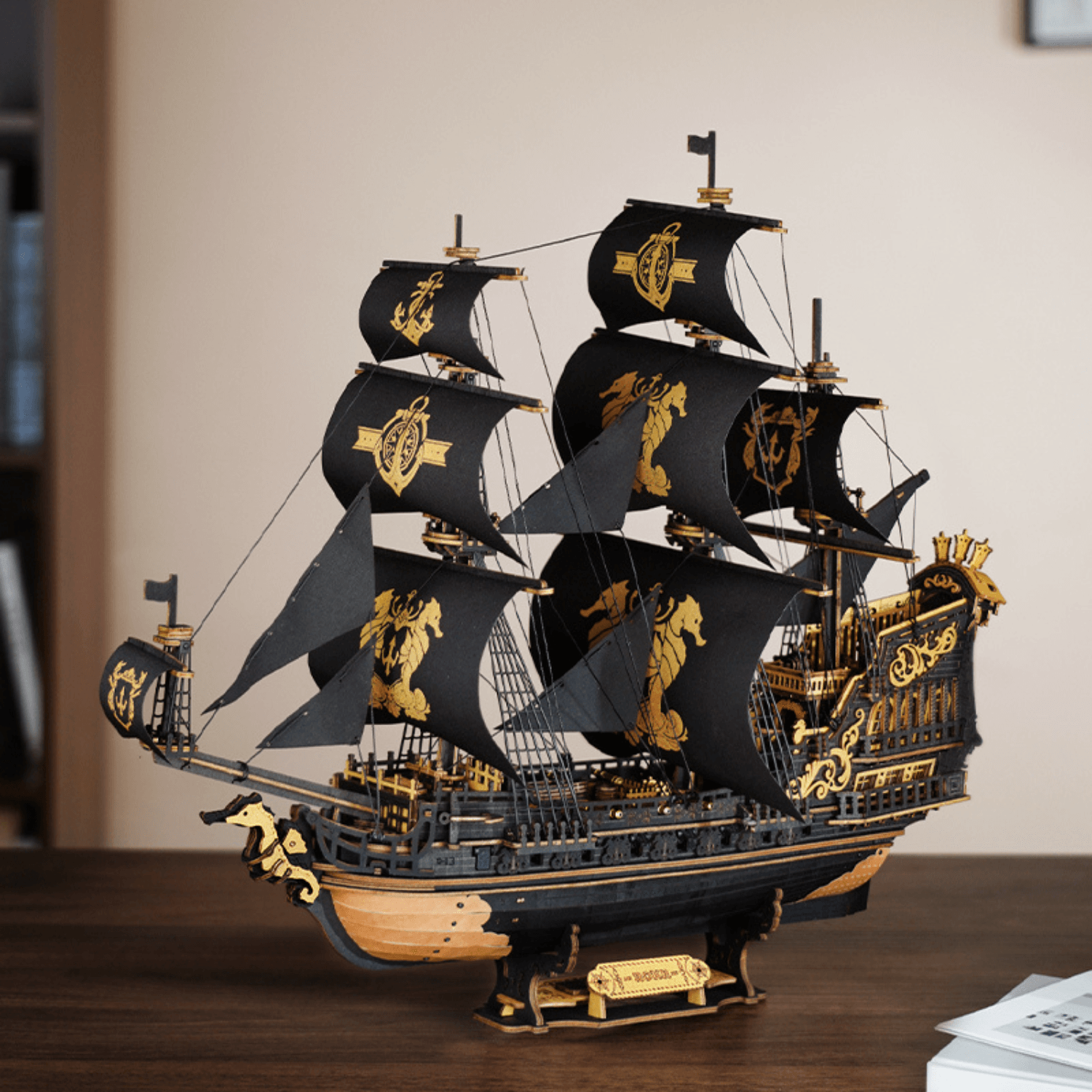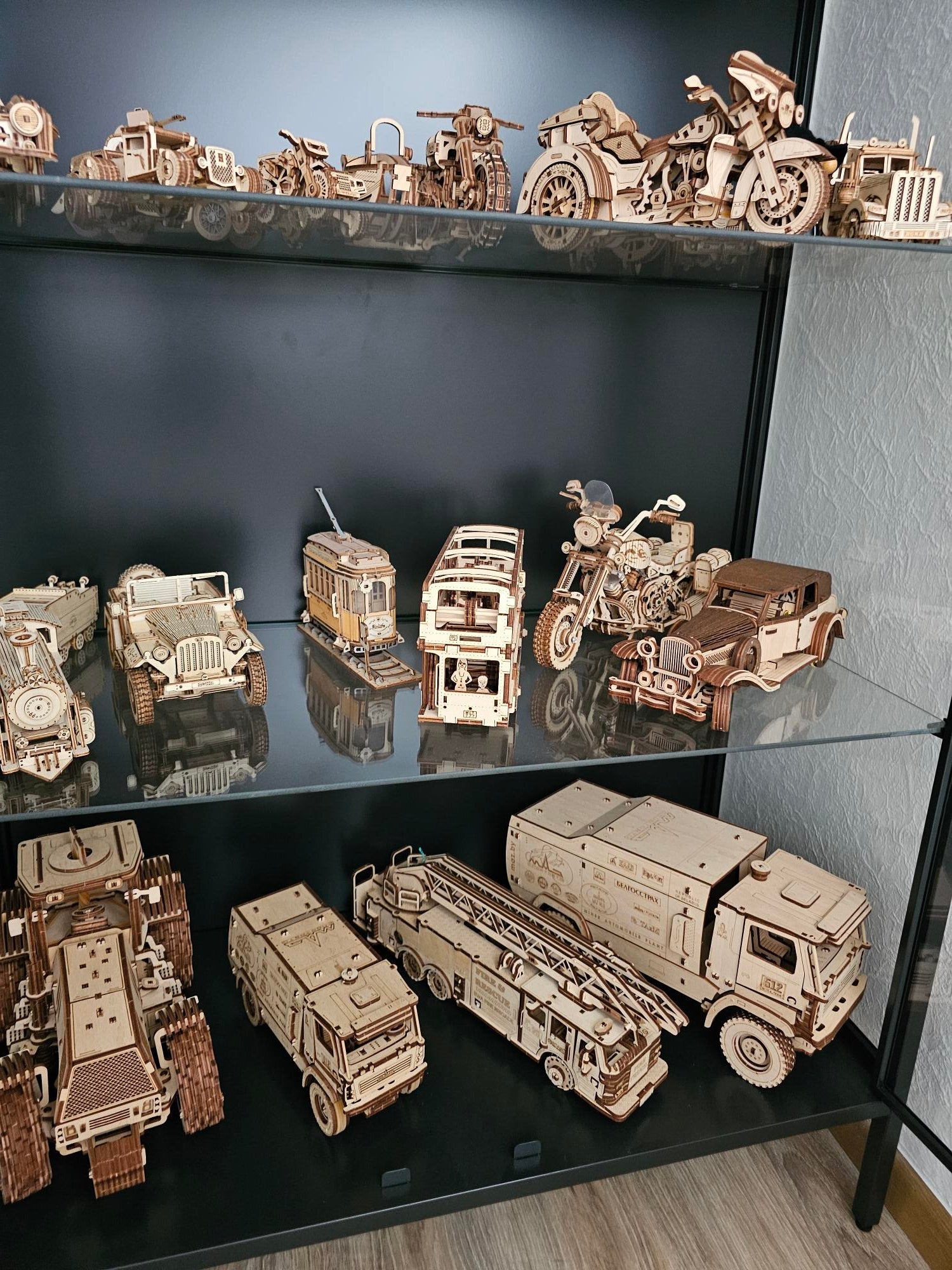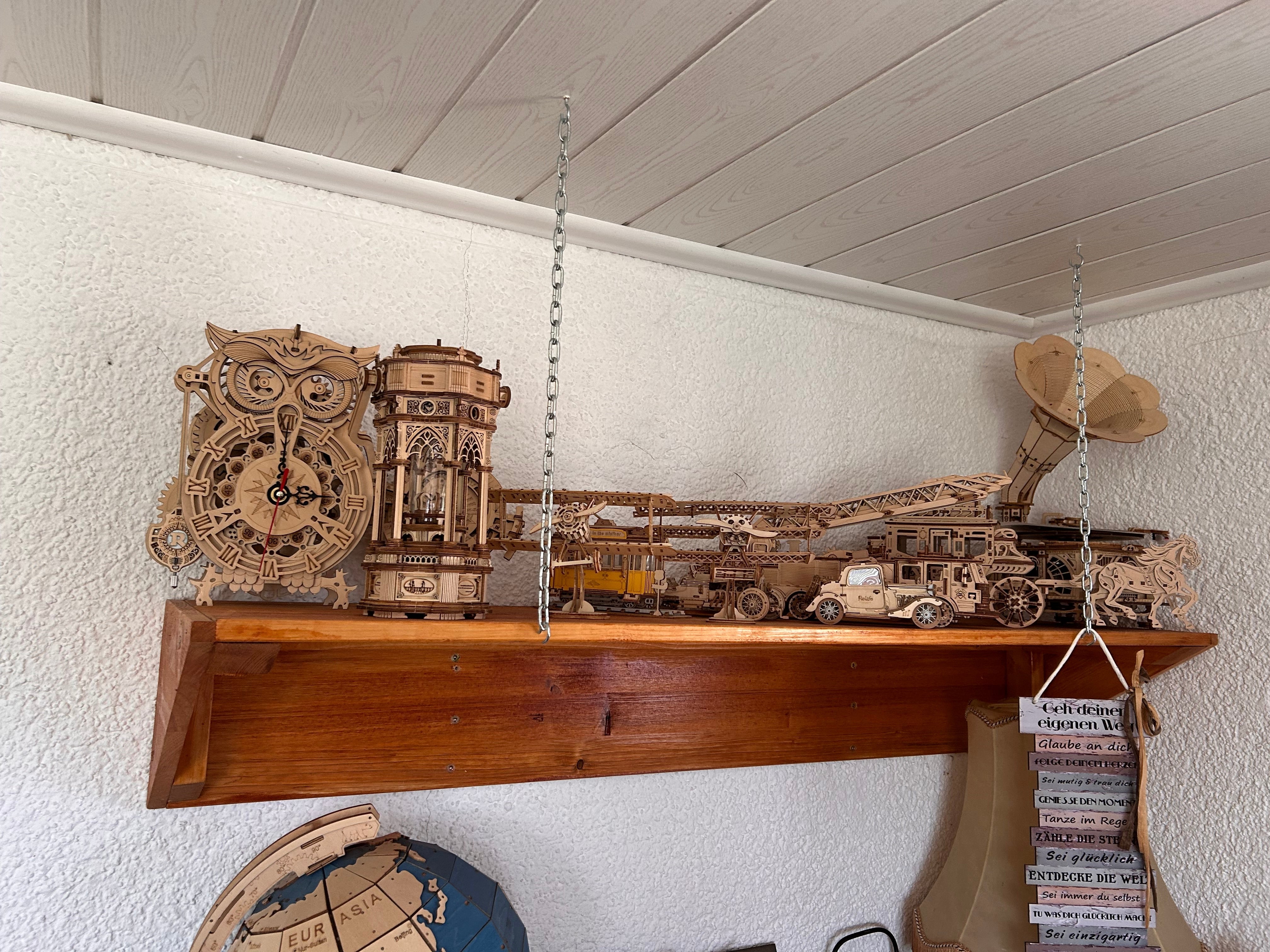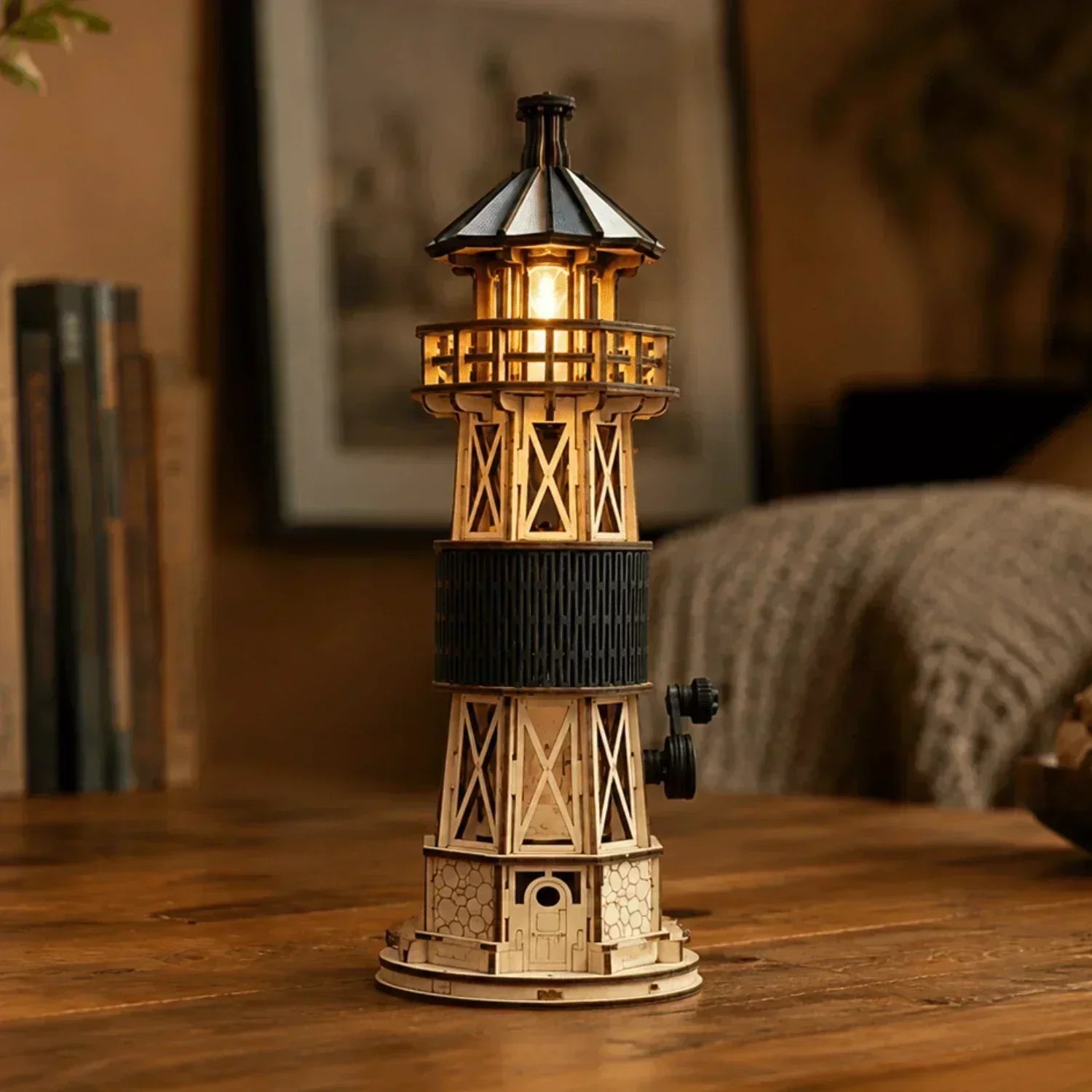




Games of skill are extremely popular. No wonder: not only do they offer many benefits, they are also simply fun! Games of skill for adults are actually suitable for everyone.
Either specific skills can be improved, such as with coordination games for adults, or you can simply take a look here and there and try out whatever looks fun!
What are the benefits of skill games for adults?
Games of skill for adults offer a variety of benefits. These include relaxation and the promotion of certain skills.
- Games of skill promote concentration by engaging players in tricky tasks that require fine motor skills.
- The games also serve as an effective means of relaxation. Focusing on the moment can have a similar effect to meditation.
- Playing skill games together serves as an additional benefit of social interaction!
- Games of skill can help players learn good problem-solving skills by promoting a wide range of abilities.
- Hand-eye coordination should not only be encouraged in childhood through games. Lifelong learning improves coordination.
- Combined with various benefits such as relaxation, improved concentration and stamina, and support for mental fitness, skill games for adults can help improve your quality of life.

7 fun and exciting skill games for adults
There are many skill games available. That's a good thing: you can choose the game you enjoy most or the one that best helps you work on your weaknesses.
Some games of skill for adults, such as Mikado or boules, are best played with several people. This way, playing the game of skill can also become a shared experience.
1. Mikado
Many people still remember Mikado from their childhood. Almost every kindergarten has this game in its cupboard. And rightly so: it is just as suitable as a game of skill for adults as it is for training the fine motor skills of the youngest children.
2. Boules
A good game for hand-eye coordination is boules, which is best played outdoors with others. The aim of the game is to throw a larger ball as close as possible to the "piggy" – a very small ball.
Fun fact: It is said that His Majesty's privateer Francis Drake, faced with the Spanish invasion of the English Channel, calmly finished his game of boules before confronting the Spanish Armada.
3. Riddle Box
Riddle Boxes train problem-solving thinking and also encourage a creative approach to tricky tasks. That's why Riddle Boxes are suitable Riddle Boxes young and old alike.
Are you looking for a beautiful Riddle Box to keep your mind sharp? Feel free to take a look at the Riddle Boxes .
4. Darts
Similar to boules, darts trains hand-eye coordination and spatial thinking. Darts is fun and can also be played as a small competition.
Aiming and throwing require special coordination, because the arrow does not usually fly in a completely straight line. The arc that it describes must be "considered" by our brain when aiming, which is a particular challenge.
5. Speed Cups
Games such as "Speed Cups" promote quick comprehension and the ability to convert perceived elements into action.
It is necessary to recognize patterns and implement them at high speed. This promotes concentration as well as quick thinking and rapid connections between the brain and motor skills.
6. Table bowling
To go bowling, you have to go to a bowling alley—which isn't everyone's cup of tea. It's loud in the alley, the shoes are too tight, and sometimes you have to drive a long way to get there. But what about table bowling? This bowling game promotes dexterity and can be played at home on the kitchen table.
7. Jenga
Jenga is a popular wooden game of skill for adults. A tower is built from narrow wooden blocks. These wooden blocks are then removed one by one without the tower falling over. The removed wooden block is placed on top.
This makes the tower taller and more unstable. This game not only trains fine motor skills, but also promotes logical thinking and an understanding of physical properties.
You can find more ideas for brain teasers for adults in this article.
8. Twister
Are you looking for a really fun game of skill for adults? Then Twister might be just the thing. This game not only makes you think, it also trains your coordination and body balance.
Conclusion
Games of skill for adults can have a positive effect on your quality of life. Not only do they train flexible thinking and mental fitness, but many games also support motor skills or fine motor skills, thereby improving body awareness.
If spatial thinking is also trained, this helps you to find your way around your environment more easily. Concentrating on one thing also triggers a kind of "meditation effect" that promotes relaxation and thus benefits our health.

Looking for more ideas for games and puzzles? Feel free to check out these articles: