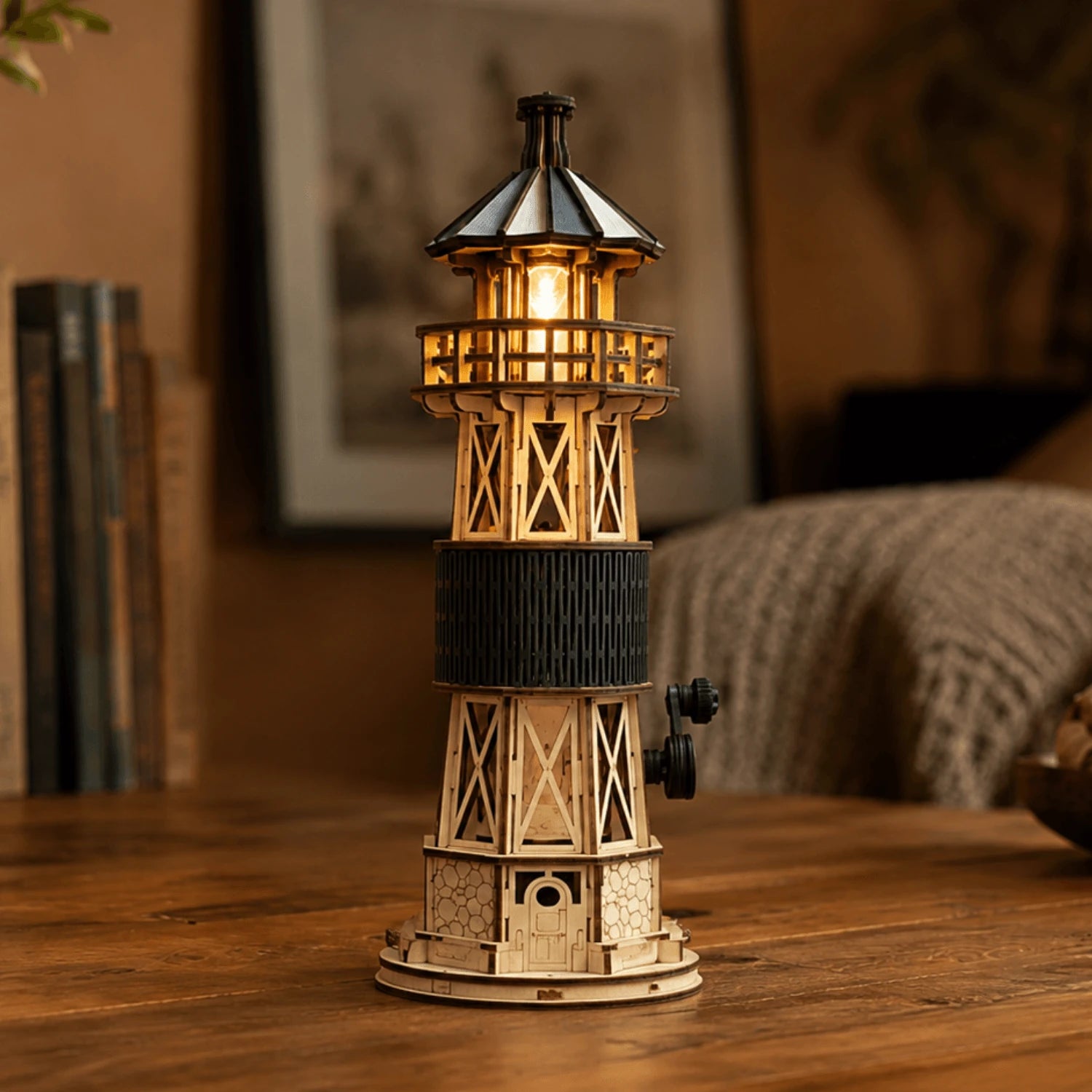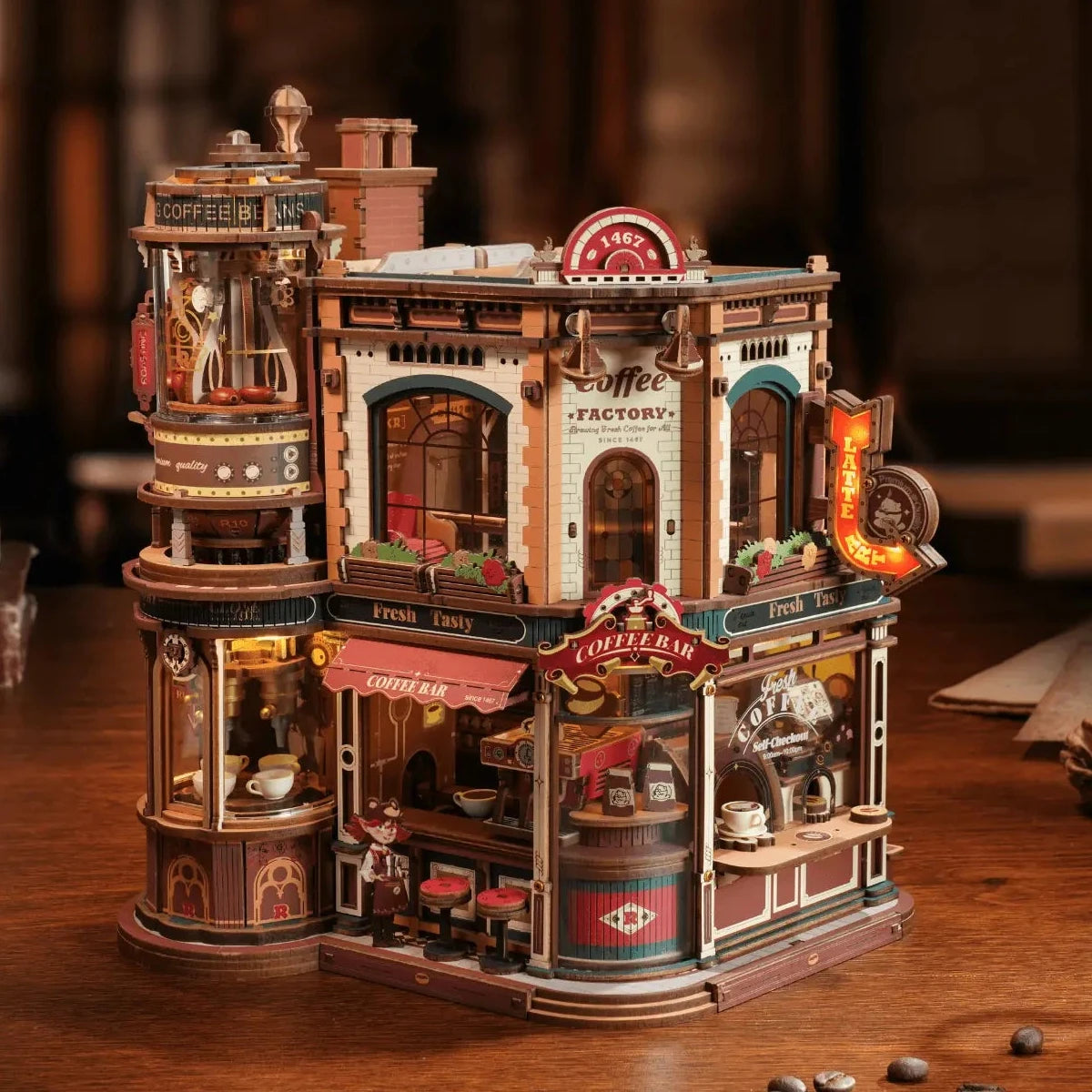




A small street café with a flickering lantern, an enchanted passageway between bookshelves, or a miniature train station with lovingly arranged details. These tiny miniature worlds, spanning just a few centimeters, are all the rage right now, so it’s only natural to want to create your own book nook. You can either use kits that come with all the materials you need, or simply build your own Book Nook fantasy world from scratch.
In this guide, we'll show you step by step how to build your Book Nook—from the initial design to the very last LED.
DIY Nook Book vs. Set: Is it worth building a diorama yourself?
The first step toward creating your own book nook is to ask yourself: How much time and effort do you want to put into building your miniature world? Both building it from scratch and buying a ready-made set have their own appeal. We’re happy to provide you with a few tips to help you decide below.
Ready-made miniature worlds as a set – an easy introduction for beginners
Book Nook sets are a great option, especially for beginners . These kits usually come with all the necessary parts—from laser-cut wooden panels and paper elements to the appropriate lighting, along with assembly instructions. The advantage is obvious: You don’t have to worry about scale, perspective, or material selection. You’re guaranteed a great first result and will gain experience that you can perhaps use later when creating your own diorama.
The "Romantic Venice" Book Nook, for example, is an ideal starter set. It contains about 110 easy-to-handle pieces, and it only takes about 2 to 3 hours to complete your very first miniature world.
Advantages of building your own – design your own unique piece
If you already have some experience with miniature worlds, then you can try your hand at creating your first diorama.
In fact, according to a recent survey, 78% of our customers already have DIY experience in creative hobbies such as sewing, diamond painting, or model building, which makes them even more likely to take on their first Book Nook project.
A DIY book nook gives you creative freedom that no kit can offer. You decide for yourself what theme to create—perhaps a scene from your favorite book or a very personal experience—what colors and materials to use, and what the perspective of your miniature world should look like.
All you need are creative ideas, craftsmanship, and, of course, a little patience. Even though it takes significantly more time, you will end up with a model that you have planned and built yourself from scratch.
By the way, here’s an interesting fun fact from our survey: 35% of our customers originally bought their first Book Nook as a gift—but many end up keeping it for themselves or ordering a second one right away.
Inspiration: What designs can you create?
When building your own book nook, you can let your imagination run wild. It’s especially exciting to turn personal memories or experiences into a miniature world. You can find more inspiration, for example, in online communities or on social media, such as Pinterest.
- A vacation spot that has stayed with you—e.g., a café in Paris or an old town alley in Lisbon.
- Your childhood: your memories of your childhood bedroom, the playground outside your door, or another place that you associate with something.
-
Special occasions: a friend's wedding, a festival, a move, or the first day of school
-
Favorite hobbies: a mini studio, a music room, a theater set, or a library
-
Fantasy worlds: self-invented cities, enchanted forests, fairy-tale scenes
- Everyday scenes with a personal connection: a train station waiting room, your favorite bakery, or the bustling square where you can get your favorite ice cream.
It’s precisely these personal touches that make a DIY book nook so appealing. They tell your personal story. In a survey of our customers, many shared how emotionally attached they are to their book nooks.
"A glimpse into a small world where you can lose yourself," wrote one user—which aptly describes the appeal of such scenes.
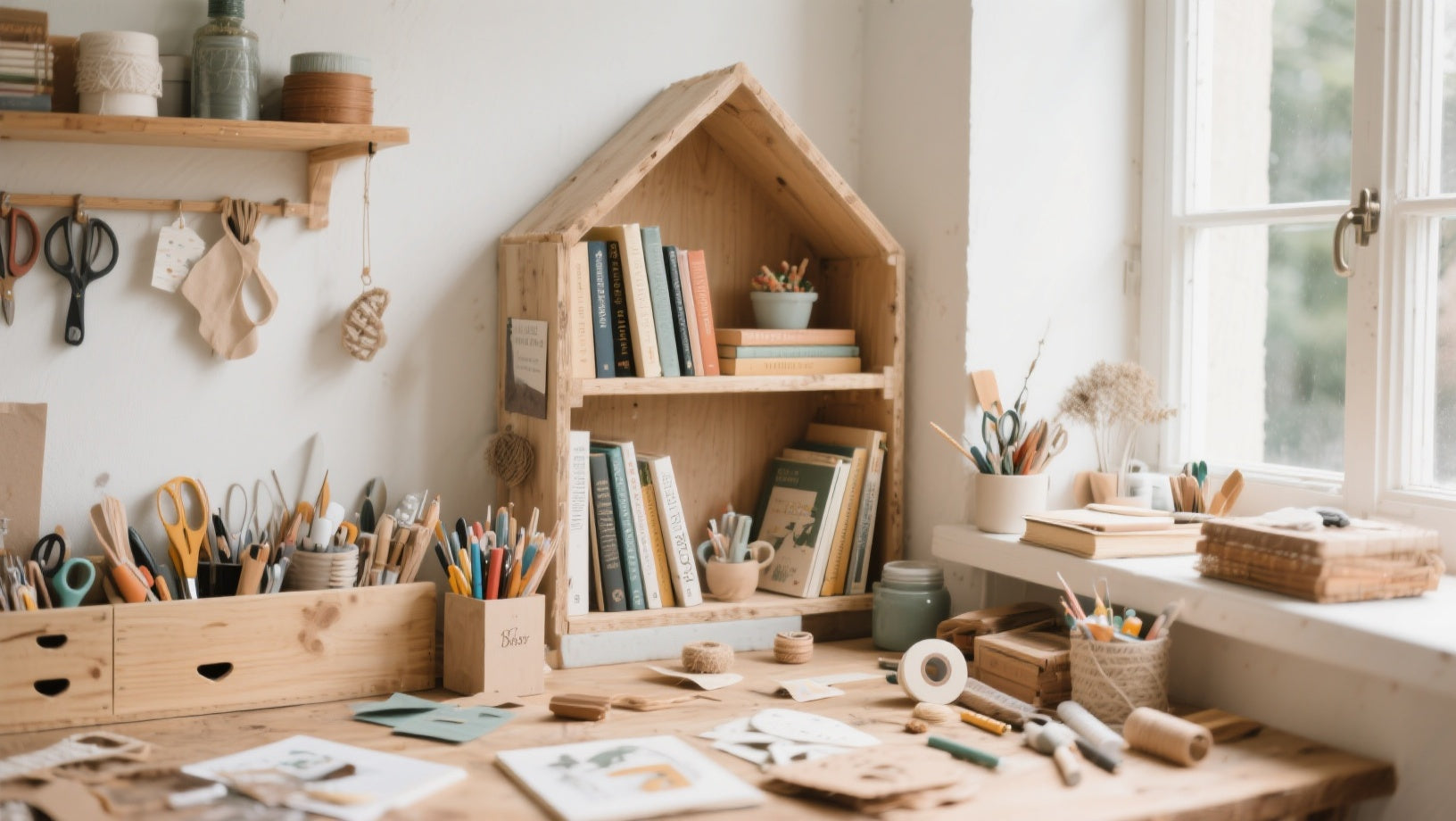
You will need the following materials and tools for your diorama
If you've decided to build your own book nook from scratch, you'll now need to gather all the materials you'll need. Unlike with a ready-made kit, when building it yourself, you'll have to source all the components on your own. You can easily find many of the materials online, but you'll also find what you need at craft stores or home improvement stores.
Depending on the scene and complexity, the following materials are usually on the shopping list:
1. Basic materials
- Plywood sheets (2–4 mm thick)
- Sturdy cardboard or craft boards
- Wooden slats, round timbers, sticks
- Optional: Plastic sheets for windows or smooth surfaces
2. Adhesives and paints
- Wood glue for pure wood elements
- All-purpose adhesive or transparent craft adhesive (e.g., B7000) for mixed materials
- Acrylic paints in various shades
- Brushes in several sizes for fine details
3. Tools and aids
- Cutter or craft knife
- Ruler and cutting mat
- Tweezers for small parts
- Sandpaper or file for edges
- Optional: Mini screwdriver set or fine-tipped pliers
4. Decorative elements and lighting
- Miniature furniture and figurines
- Fabric remnants for curtains or carpets
- Paper for wallpaper, posters, signs
- Small plants, lanterns, accessories
- LED strips, mini LEDs, or light modules with battery box
Build Your Own Book Nook: From Planning to the Finished Miniature Masterpiece
Unlike ready-made kits, which come with instructions that spell out every step in detail, when you build your own diorama, you create it entirely from scratch without a template. But for many, that’s exactly what makes it so appealing. To help you succeed, we’ll walk you through the process step by step, showing you how to design and build your own Book Nook—from the first sketch to the finished miniature masterpiece.
Step 1: Sketch and preparation
First, make a rough sketch to put your design ideas on paper. Sketch out a rough layout of how you want your book nook to look. Draw the floor plan, marking the back wall, side walls, and special features like windows, shelves, or stairs. Be sure to use a consistent scale—for example, 1:12 or 1:24—so that the proportions are correct later on. You can also search online for templates of completed book nook projects and draw inspiration from them.
Tip: For your first diorama, try not to include too many details so you can get a feel for how a book nook is created.
Step 2: Cutting and color design of the components
Once the true-to-scale sketch is finished, it’s time to cut out the pieces. Transfer your measurements to plywood (2–4 mm thick) or sturdy cardboard, and use a fine fretsaw, a utility knife, or a scroll saw to make the cuts. Afterward, you can paint the pieces with acrylic paint—it’s easier to do this while they’re still separate. The more shading, details, and surface textures you incorporate, the more authentic your book nook will look later on.
Step 3: Build and secure the basic structure
Now connect the base, walls, and intermediate parts to form a stable frame. You can either glue them together or slot them together. The best adhesive to use is B7000 glue: it can be applied with pinpoint accuracy, adheres to wood, plastic, and paper, and dries transparent. Check the stability after each step before continuing with the next section.
Step 4: Add decorations and details
Now that the base is complete, it's time to get creative. Add furniture, figures, and decorative elements to the scene. Many items are available as accessories from model shops, such as miniature chairs, lamps, plants, and books. Alternatively, you can make them yourself. You can create lots of unique objects from scraps of wood, wire, fabric, or paper.
Step 5: Install lighting
Finally, add the lighting. You can use either LED strips or small individual LEDs powered by a battery compartment. Position the light so that it creates atmospheric background lighting. Make sure that the power source remains accessible for battery replacement and that no cables are visible.
Tip: If you want to give your model some extra protection, you can cover it with a plexiglass sheet to keep dust off or seal the outer surfaces. That way, you'll have less work keeping your Book Nook clean later on.
How long does it take to build a book nook?
Unlike a Book Nook set, which usually takes just a few hours to complete, you should plan on spending at least one day to build this project from scratch. Just creating the sketch alone usually takes several hours if you’re designing it entirely on your own. More elaborate scenes with multiple levels, moving parts, or homemade electronics usually take several days to complete and make for a wonderful project you can work on from time to time. Many hobbyists find that crafting helps them slow down and relax. One in three customers surveyed views building the Book Nook as a mental break: “You lose track of time while doing it” was one of the most common comments.
Build Your Own Book Nook: Tips and Tricks for Beginners
To ensure you’re completely satisfied with your first DIY book nook, it’s worth taking a look at a few tried-and-true basic rules. Especially when building something yourself, it’s easy to get lost in the details—or take on too much on your first try. The following tips will help you avoid common mistakes and successfully build your first diorama step by step:
- Start with a simple scene: Choose a small and clear subject that does not have too many details.
- Observe scale: Maintain the scale you have specified throughout—this applies in particular to the subsequent addition of furniture, lanterns, etc.
- Design components before assembly: Paint walls, floors, and scenery pieces before installing them.
- Working with double-sided adhesive tape: Use double-sided adhesive tape for temporary fixings during craft projects or for positioning small objects, as it can be easily removed again afterwards.
- Light your workspace well: A bright table lamp or even a magnifying lamp can be helpful, especially for detailed work.
And another important tip: especially with your first project, it's more about enjoying the crafting process than achieving absolute perfection. Take your time and don't set your standards too high.
Cleaning and Care Tips: How to Keep Your Book Nook Looking Great for a Long Time
You put a lot of effort into your Book Nook, and with every idea and every hour of work, its sentimental value has grown. That makes it all the more important to give it some attention on the bookshelf later on.
Dust is the biggest enemy of delicate miniature scenes. To avoid damaging fragile parts, you should always proceed with care when cleaning. A soft brush—such as a makeup brush or a model-making brush—is ideal for gently removing dust from small objects or corners. For larger surfaces, you can also use a compressed air spray on a low setting. Avoid using damp cloths or cleaning agents, as they can quickly cause delicate materials like paper or wood to swell or discolor. If you want to protect your Book Nook from dust in the long term, consider covering it with a matching acrylic dome or a glass display case.
Also, make sure to protect the diorama from direct sunlight—UV light can fade colors or make adhesive joints porous. Rooms that are too humid are also unsuitable, as wooden components can swell or warp.
Conclusion: Start your first Book Nook craft project now
Building your own book nook is more than just a creative craft project. It’s a little journey into your own fantasy world, which you can customize however you like. If you’re diving into the world of miniatures for the first time, it’s a good idea to start with a ready-made kit. That way, you can get a feel for the materials, proportions, and techniques—and achieve great results quickly.
Once you feel more confident, you can bring your own ideas to life: a scene from your favorite novel, a memory of a special place, or an imaginative dream world. You set the pace, choose the theme, and decide on the details—and with a few wooden boards, some lighting, and plenty of creativity, you can turn them into a truly one-of-a-kind piece for your bookshelf. Whether you start with a kit or dive right in on your own, the world of book nooks offers endless possibilities for self-expression.
We hope you have fun designing your first book nook.