

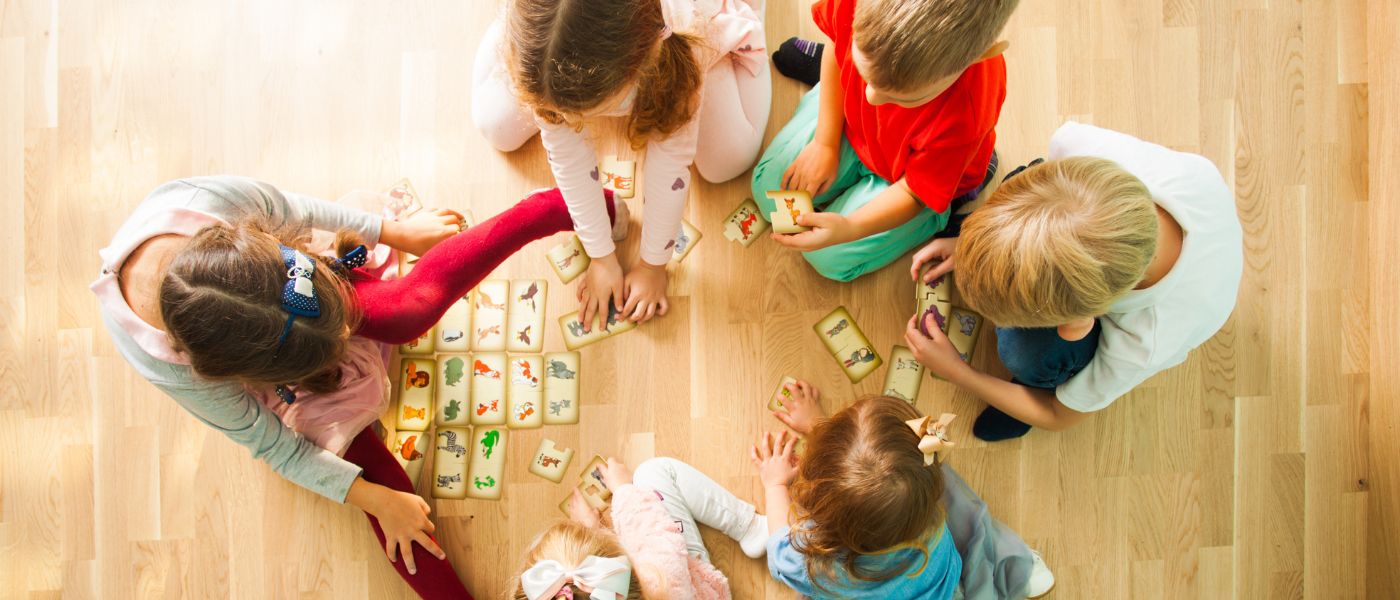

There is a wide selection of children's puzzles available. There are cubes in various sizes, wooden puzzles, frame puzzles, puzzle mats, and plug-in puzzles. This makes it difficult to choose: Which is the right puzzle for my child? Which puzzle is suitable for which age group? And why should children do puzzles in the first place? How does doing puzzles benefit my child's development?
In this article, you will find an overview of the following topics:
- Age-appropriate development of children through puzzles.
- Puzzles can promote cognitive development in children—which aspects of puzzling play a role in this?
- An overview of different types of puzzles for different age groups.
- What should you look for when buying a puzzle for children?
When can children start doing puzzles?
When it comes to combating boredom in children, puzzles are right at the top of the list. But at what age do children start doing puzzles? Children begin to enjoy putting individual pieces together to form a complete picture at a very early age. Simple puzzles with relatively large pieces and simple motifs are suitable for children aged around 12 months or even younger.
When a child develops an interest in puzzles depends on the individual child. To find out when you can actively offer your child puzzles, simply observe your child closely. Various skills are required for puzzling:
1. Grasping
Your child should pick up objects deliberately and not just randomly.
2. Tweezer grip
Your child should be able to grasp and hold objects using the pincer grip. The pincer grip is a grip in which an object is grasped with the thumb and index finger.
3. Distinguish between shapes and colors
Your child should also be able to distinguish between colors and shapes. You can test this with simple shapes such as squares and triangles.
However, you should not force your child to do puzzles, even if they are capable enough to complete one. It is better to simply offer your child the puzzle and wait to see if they show an interest in it.

Why is it so important to find an age-appropriate puzzle?
Puzzles can offer a number of benefits for child development. Recognizing and Sort by pieces Sort by a puzzle is a cognitive challenge that needs to be mastered. Putting the individual pieces together also offers a benefit for child development: it trains fine motor skills.
The learning benefits that children gain from doing puzzles can be maximized when the puzzle is appropriate for the child's age. If the puzzle is too difficult, the child will be overwhelmed and unable to complete it properly.
Not only can this lead to frustration, but it can also prevent learning from developing optimally. Even with a puzzle that is too easy, this positive effect can be lost: the child does not grow with the challenge.
How many puzzle pieces for what age?
The number of pieces a puzzle should have for a particular age group naturally depends on your child's individual stage of development. However, there are a few guidelines that can help you choose the right puzzle.
If your child is not yet able to do a puzzle for their age and needs a simpler one, that is absolutely fine and does not mean that your child is "developing too late" or anything like that!

Puzzles for the little ones: ages 1-2
If the children are still very young and are just starting to do puzzles, simple wooden puzzles with large, sturdy pieces are ideal. Some puzzles have small knobs on the pieces to make them easier to insert, as the puzzle pieces can be grasped from above.
It is best to observe for yourself whether your child finds this kind of support helpful or whether they can fit the puzzle pieces together without handles. It is good if the puzzle has a frame so that it cannot fall apart.
For the little ones, there are also puzzle mats that children can crawl around on. These have soft but thick pieces made of sturdy foam that have been tested for harmful substances. So it's no problem if your child is still in the phase where they want to put everything in their mouth.
Puzzles for children aged 2 and up are usually a little more difficult than puzzles for very young children, but apart from the number of pieces, they are not very different. Even for children's puzzles for ages 2 and up, the motifs should still be simple and easy to understand, and the pieces should be made of thick, sturdy material. Children aged 2 and up are usually able to put together puzzles with around 8 to 10 pieces correctly.

Puzzles for preschoolers: ages 3-5
Even though puzzles for toddlers aged three and up can be a little more difficult, most children of this age are not yet able to put a puzzle together strategically. Instead, they simply try out which pieces fit and use the trial and error principle. Therefore, the puzzles should not have too many pieces.
The question of how many puzzle pieces are appropriate for a three-year-old depends on the child's patience. If your child is very patient and tries several puzzle pieces in a row without getting frustrated when it takes a while to find the right piece, the puzzle can have 24 to 30 pieces.
If your child tends to be impatient, you should try puzzles with fewer pieces. A wooden puzzle for ages 3 and up may still be suitable for your child at age 5, as there is no universal rule for how many pieces a puzzle for three- or five-year-olds should have. However, you can use the following as a guide:
Puzzles for 3-year-olds: A simple wooden puzzle with up to ten pieces is usually well suited for 3-year-olds.
Puzzles for ages 4 and up: Four-year-olds can handle more complex puzzles. Puzzles with clear images and up to 30 pieces are well suited for four-year-olds.
Puzzles for 5-year-olds: 5-year-olds usually enjoy puzzles with slightly more challenging designs, which is why puzzle boxes with different designs are popular for 5-year-olds. Make sure that the puzzle features something that appeals to your child—at this age, personal preferences can start to play a greater role.

Puzzle fun for schoolchildren: ages 6-8
By school age at the latest, most children develop an interest in individual topics. One may like dinosaurs, another may love horses – so when choosing a motif for your schoolchild's puzzle, try to take their personal preferences into account – this will make them more likely to accept the puzzle.
At this age, children develop the ability to approach puzzles systematically and to place the pieces in
- Edge parts and internal parts
- or Sort by color and shape.
At this age, various puzzle tips can help them get even better at doing puzzles.
Depending on the child's patience and stage of development, puzzles with up to 100 pieces can be used for 6-year-olds. As your childgets older, the number of pieces can also be increased. To ensure that 250 to 500 pieces can still be easily managed, images with as much detail as possible are suitable for this age group, with something different to see on each puzzle piece.
Tricky puzzles for older children: ages 9-12
For ages 9 to 12, the only difference between these puzzles and adult puzzles is the number of pieces. At this age, 200 to 500 pieces are a good choice. The motif should still be childlike and cheerful, with as much color as possible.
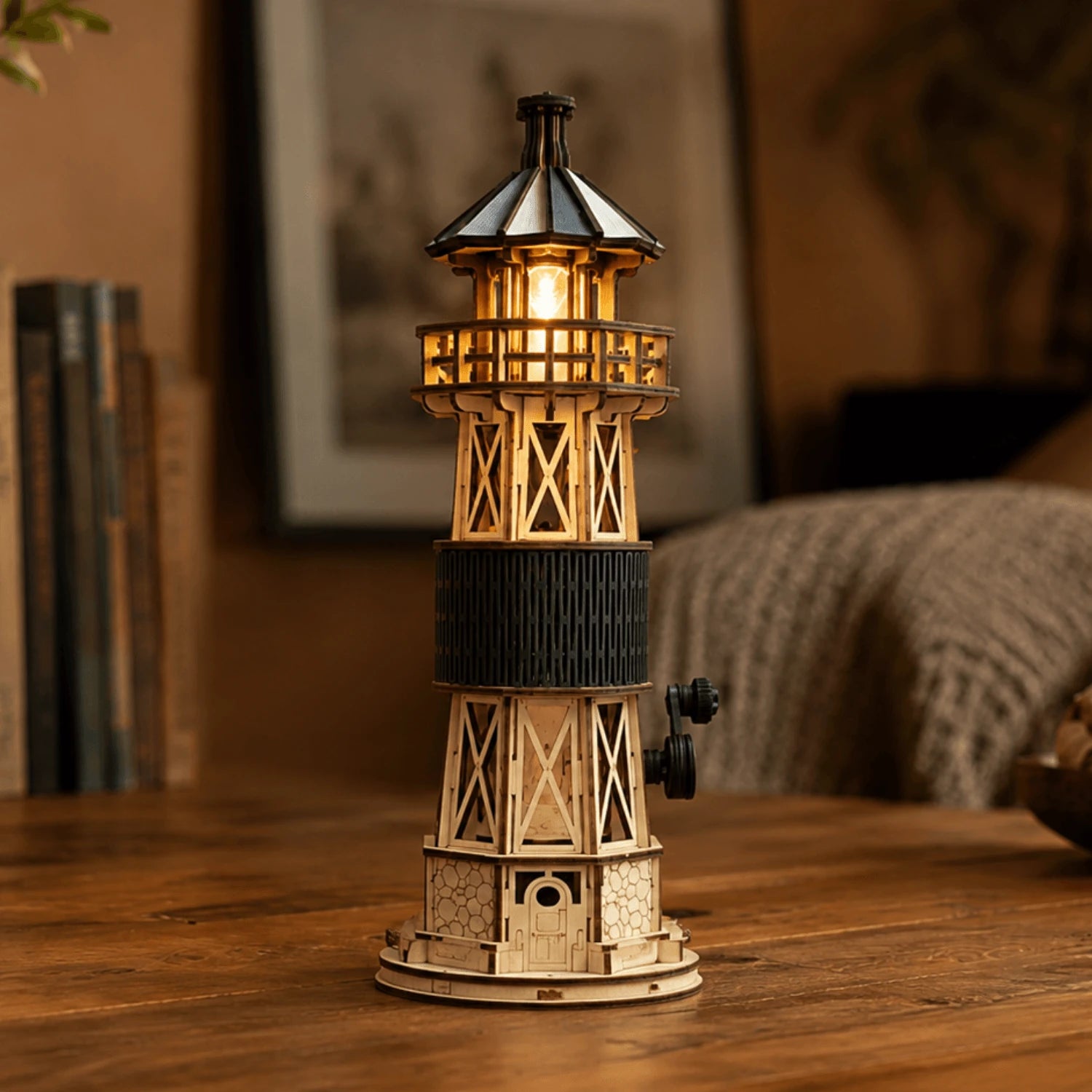
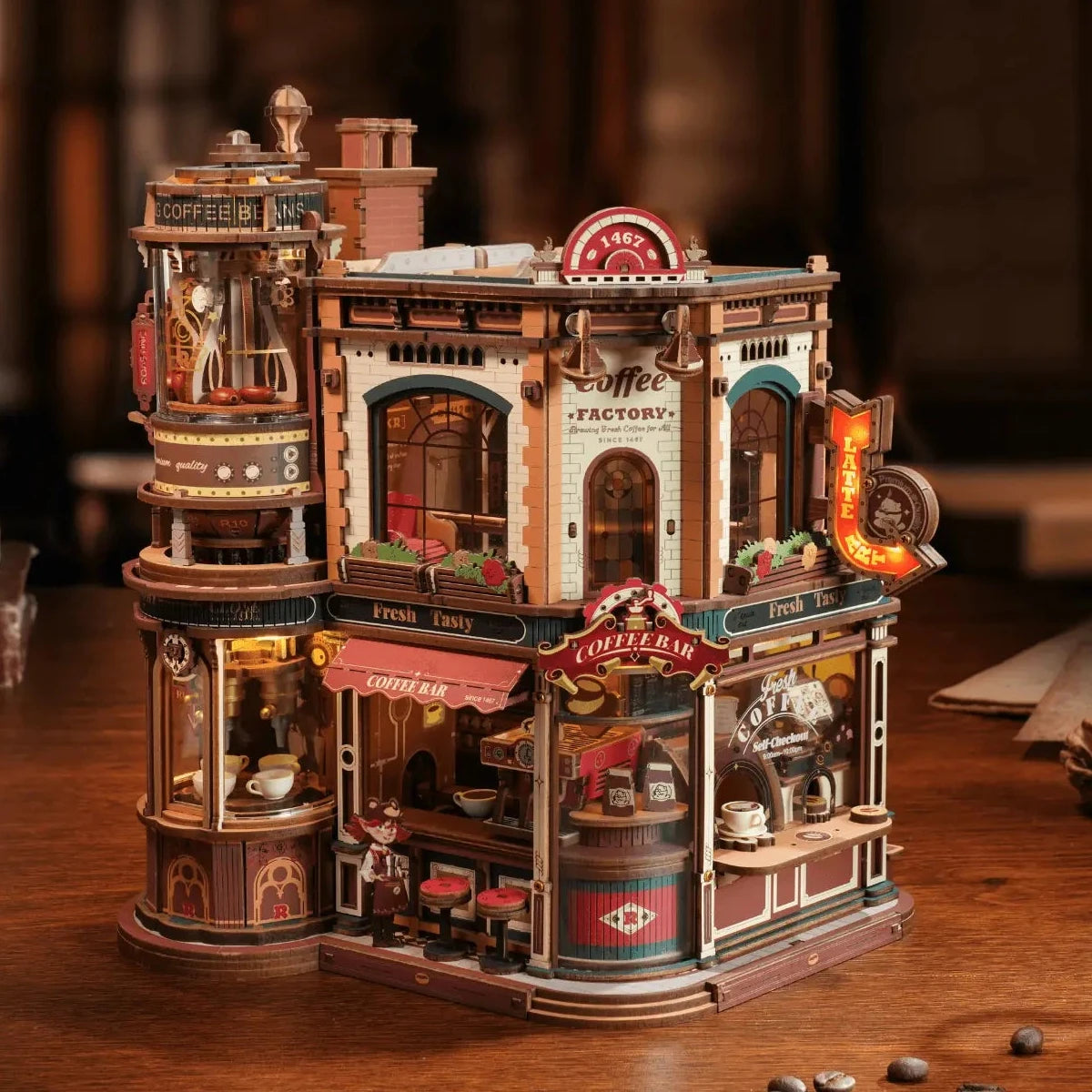
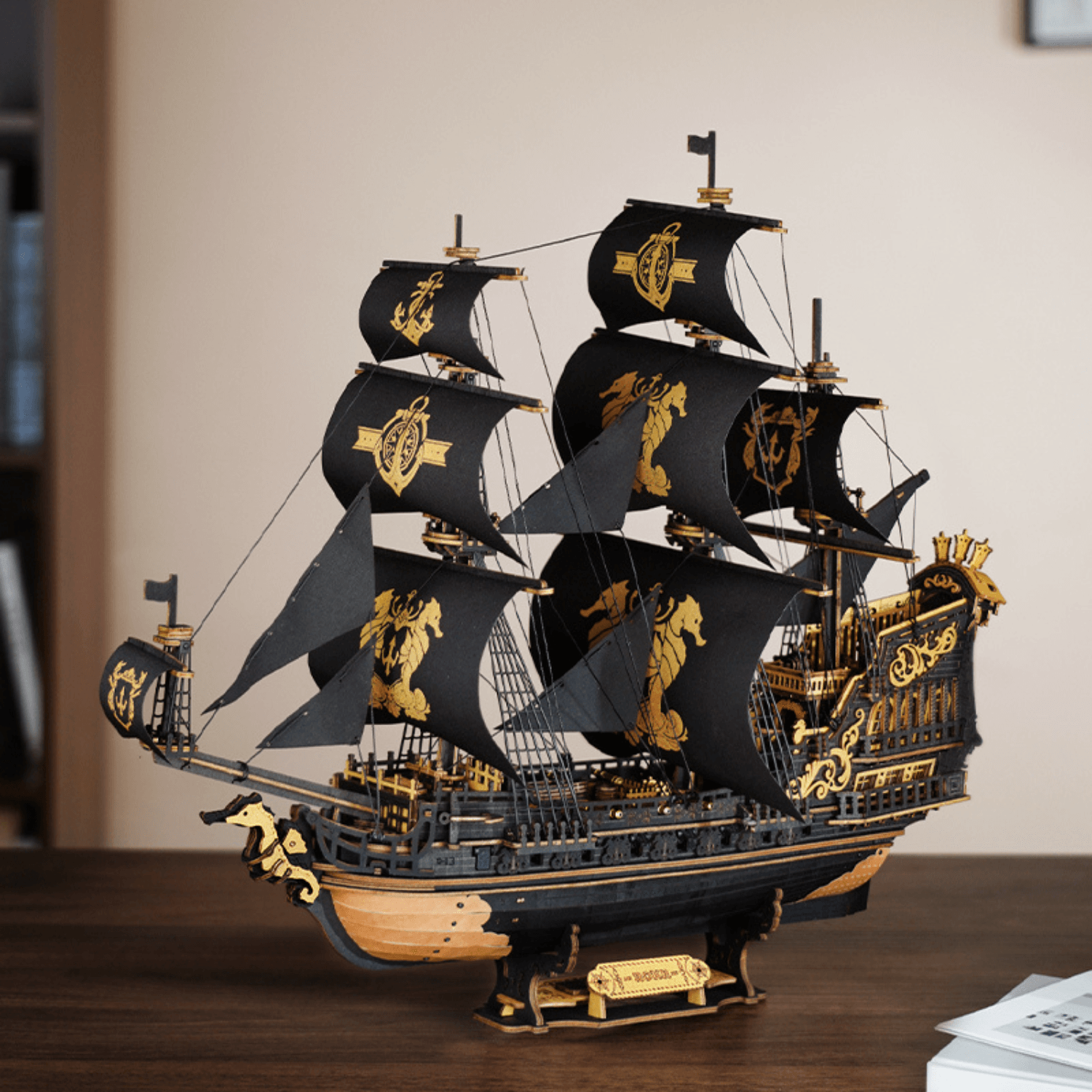
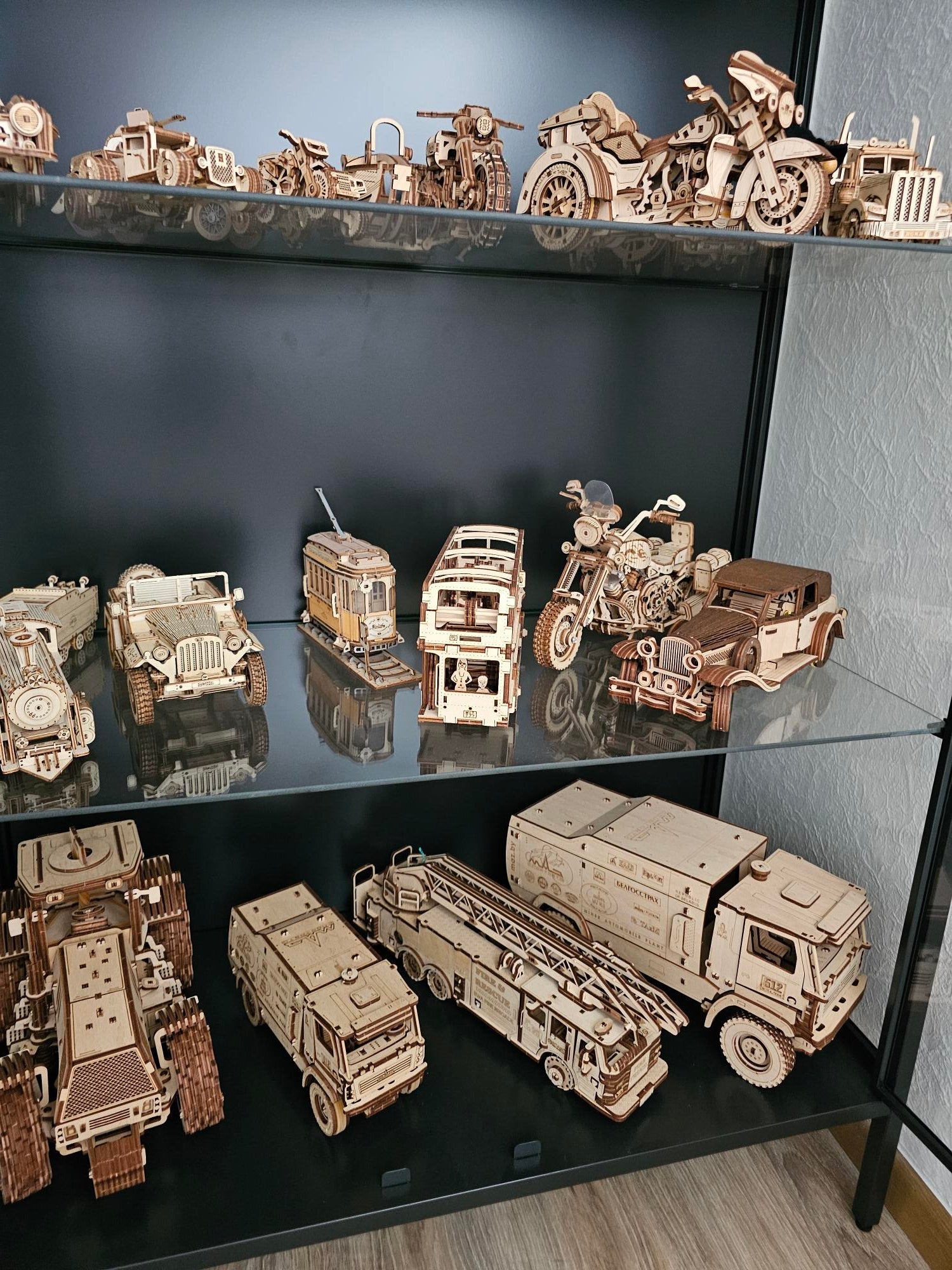
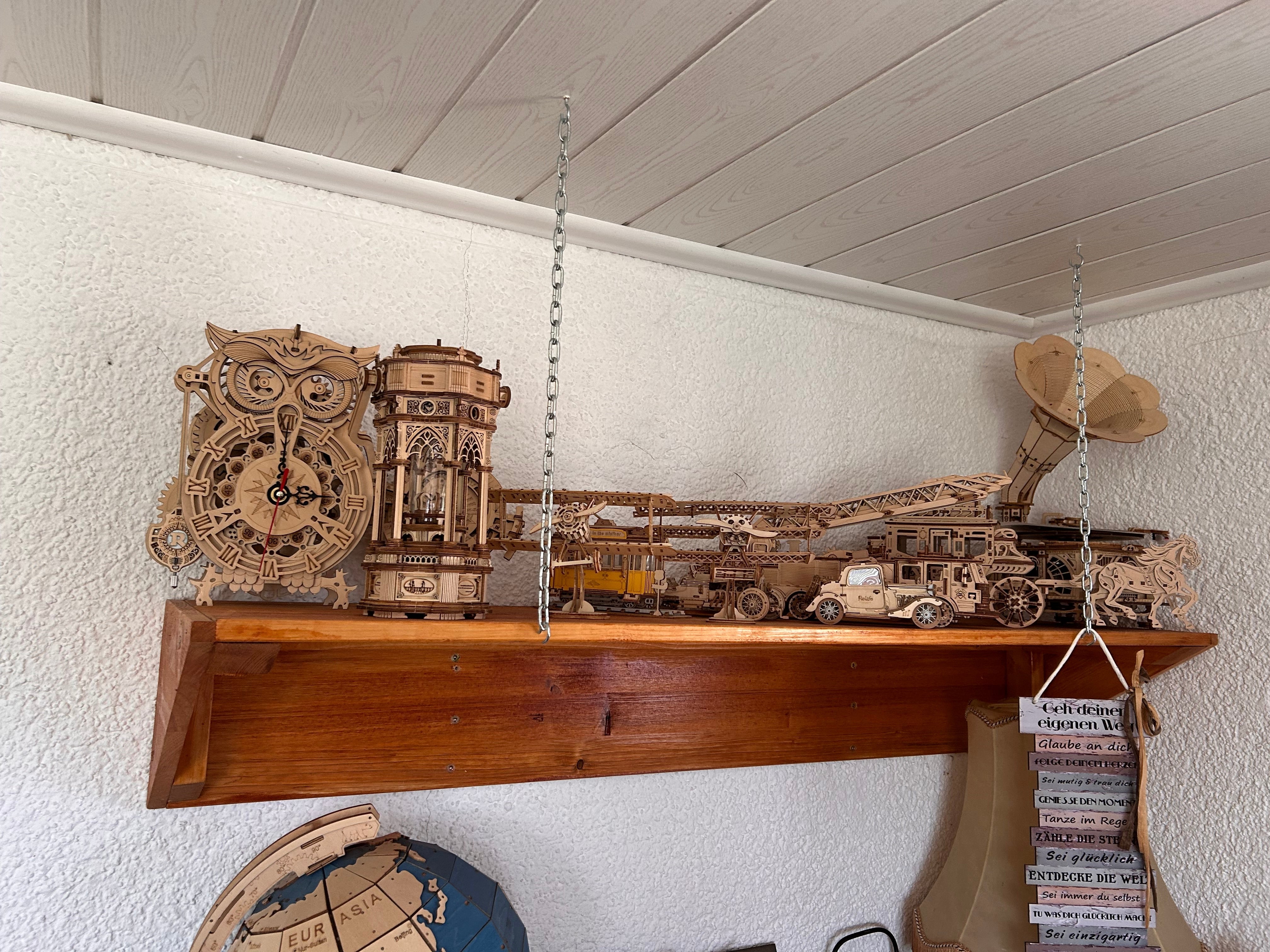
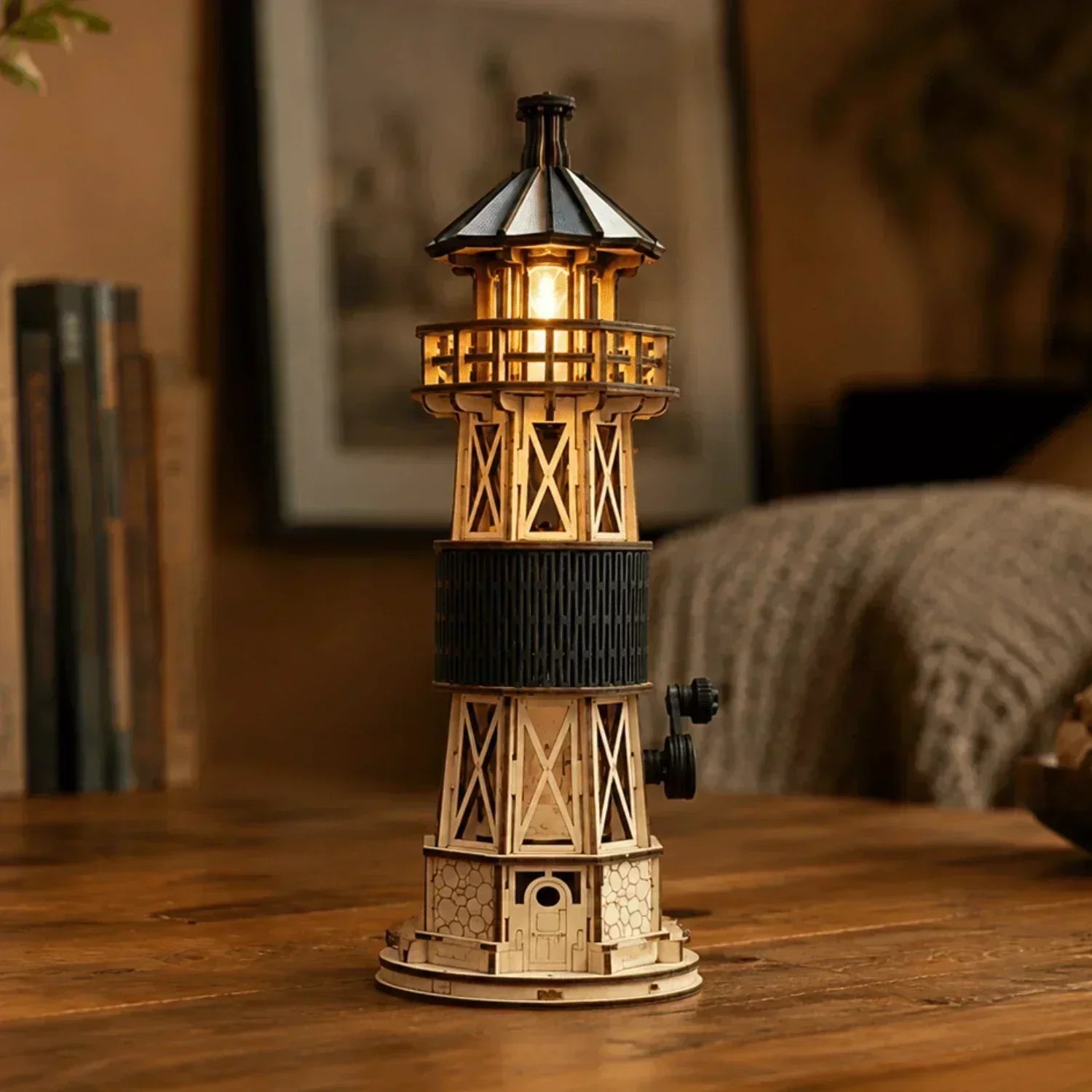
Unusual or three-dimensional projectscan also be well received at this age. You can find a few ideas in this selection of unusual wooden puzzles.
Puzzle for teens: ages 13-16
From the age of 13 onwards, it depends entirely on your child which puzzle they enjoy. A 500-piece puzzle for children, such as the Welcome to Africa Puzzle | Wooden Puzzle 505, can definitely be done by anyone of this age. Some teenagers love doing puzzles and, thanks to years of practice, are quickly able to tackle puzzles with 1000 pieces or more.
Others are not overly interested, but still enjoy doing puzzles from time to time. In this case, puzzles with between 500 and 1000 pieces are a good choice for this age group.
Conclusion
Puzzles can best promote your child's cognitive and fine motor skills when the puzzle is appropriate for their age and stage of development. Therefore, it is best to simply observe your child and determine which puzzle is best for them.
If you want to give your nephew or niece a puzzle as a gift but are unsure which one to choose, you can use the above recommendations as a guide.
Discover more exciting articles now!