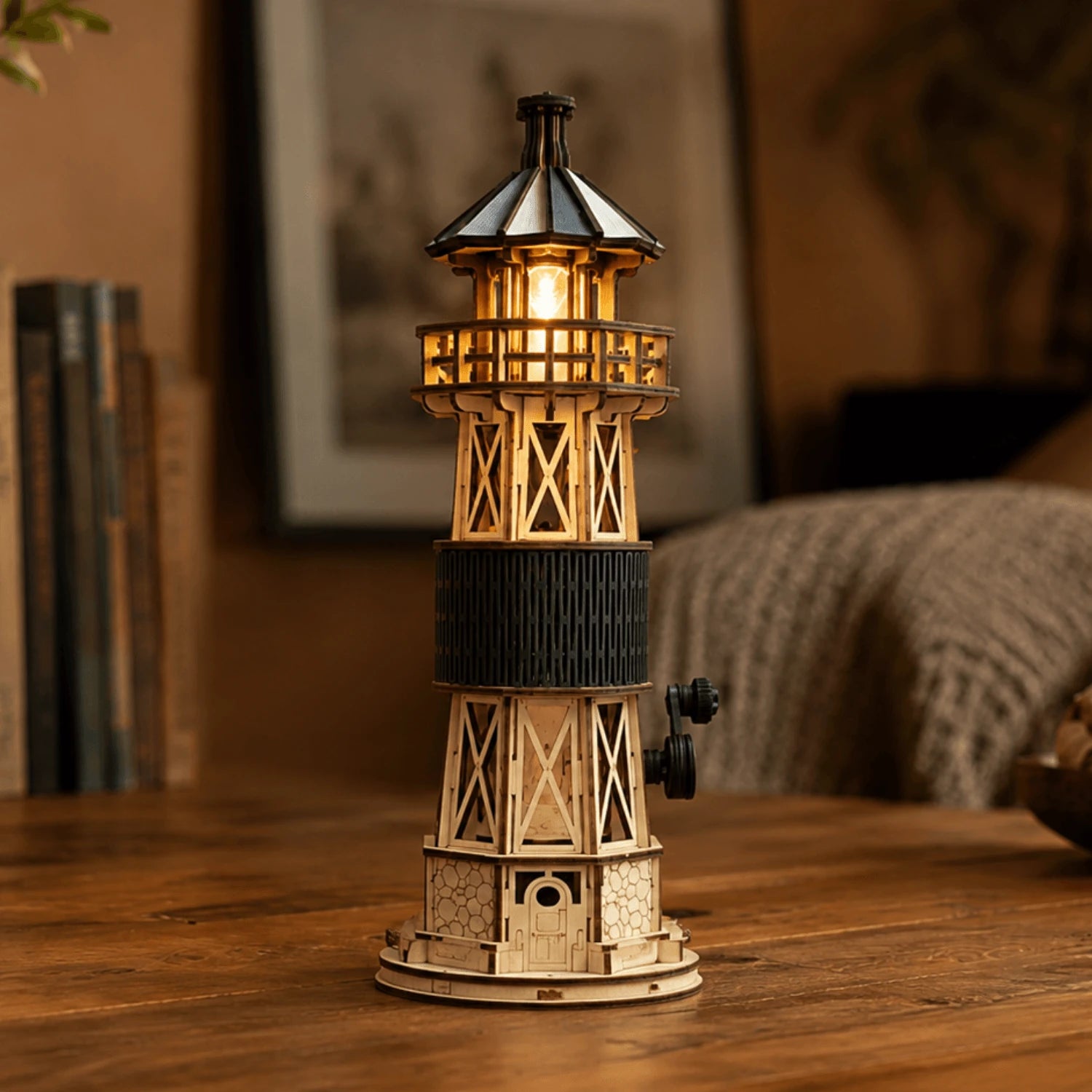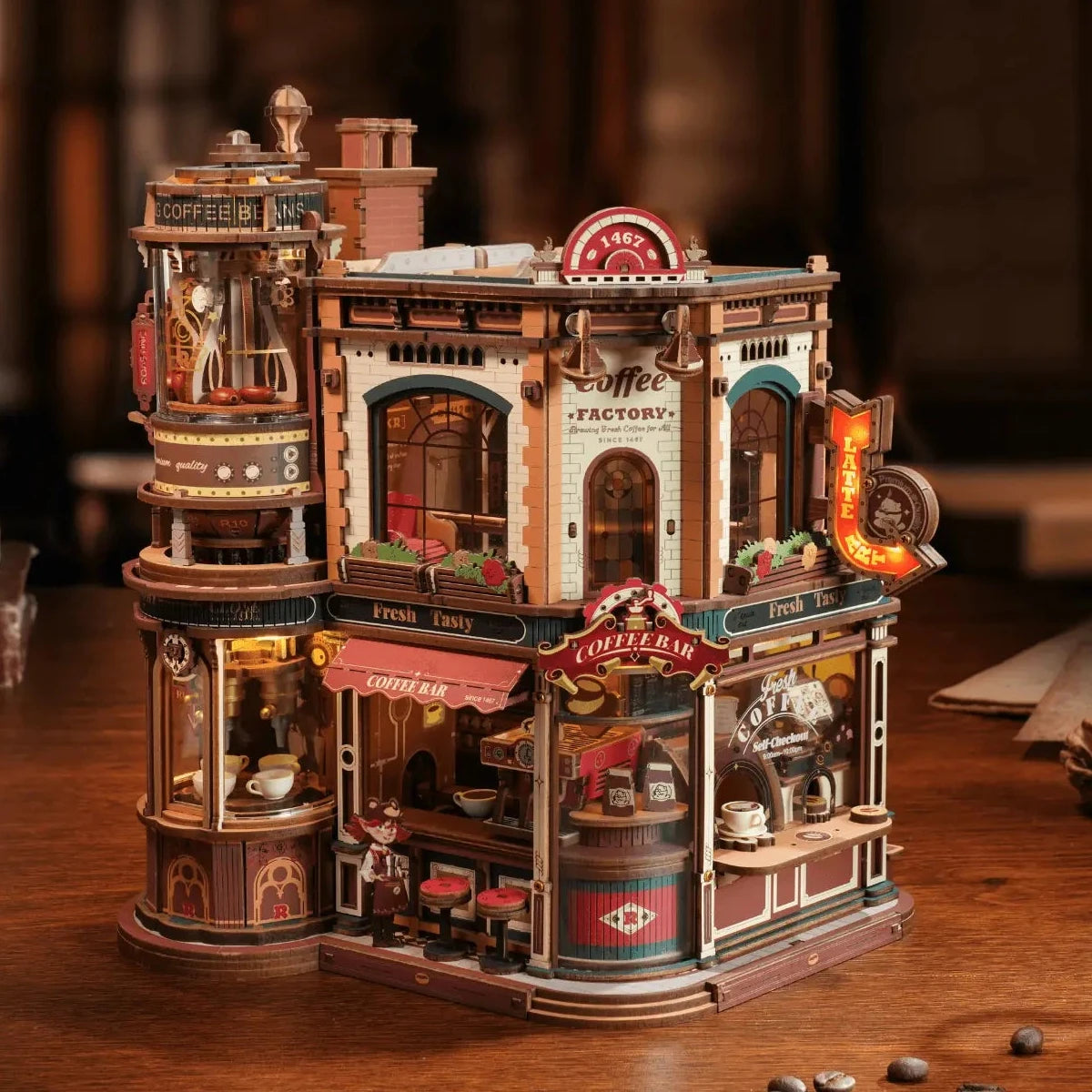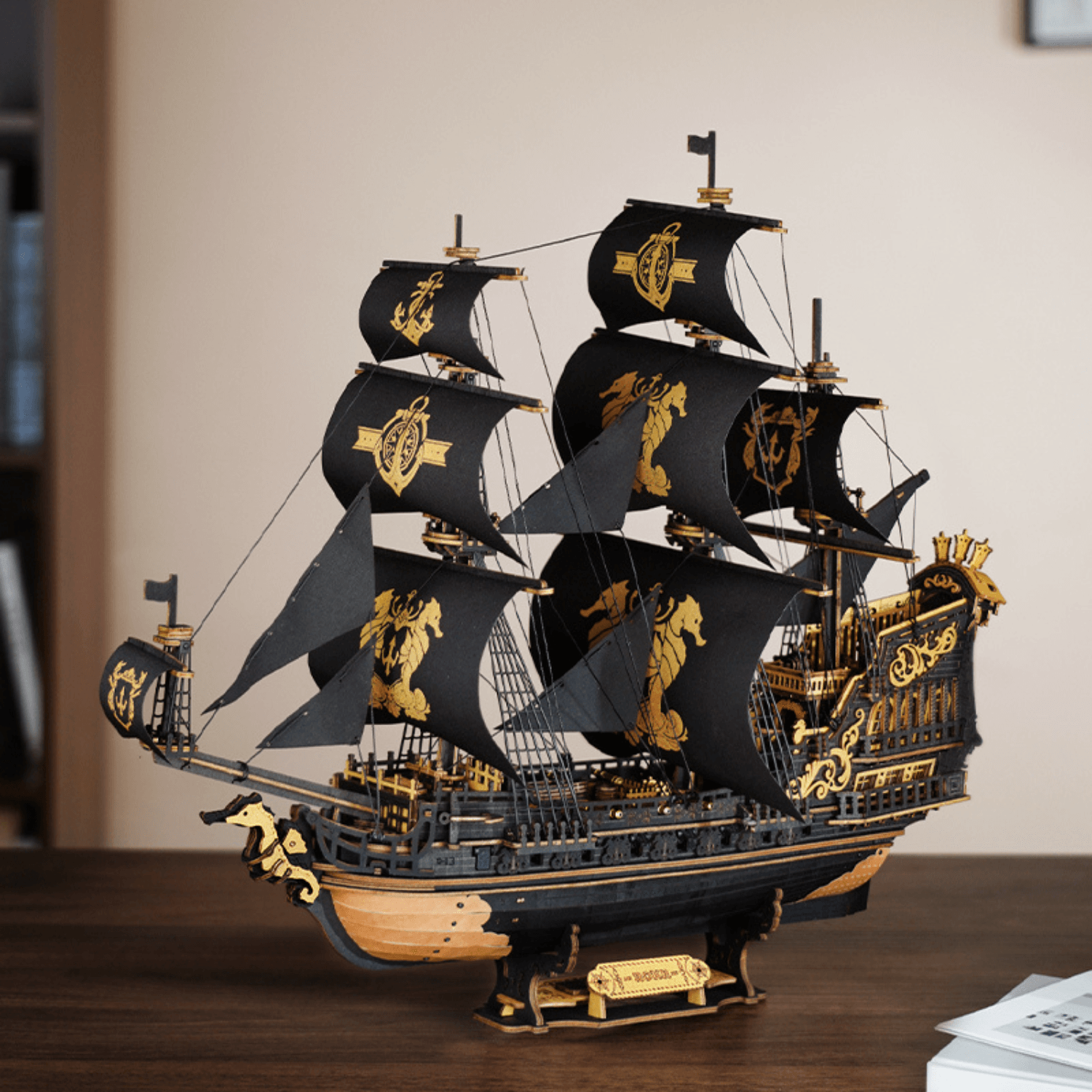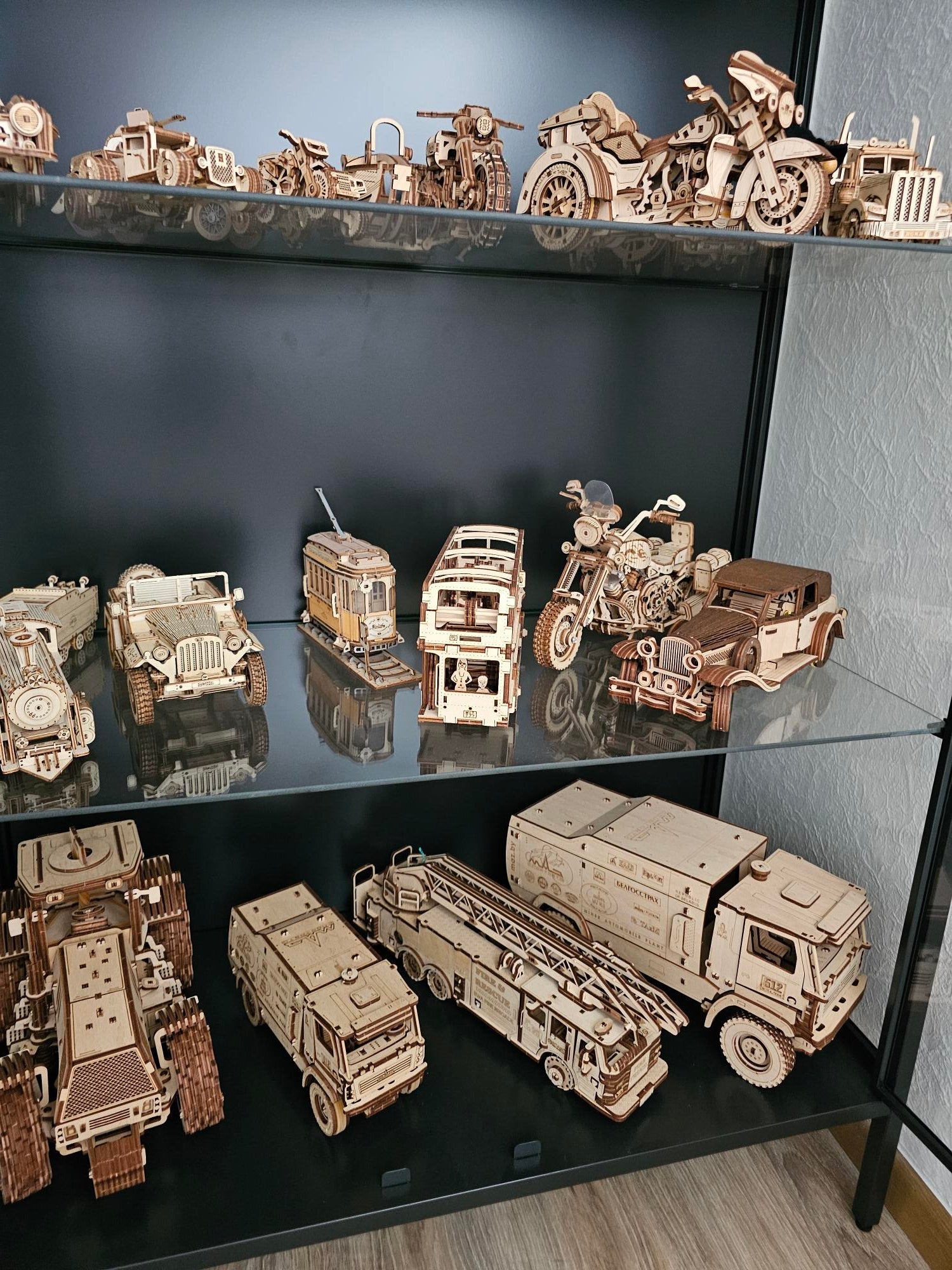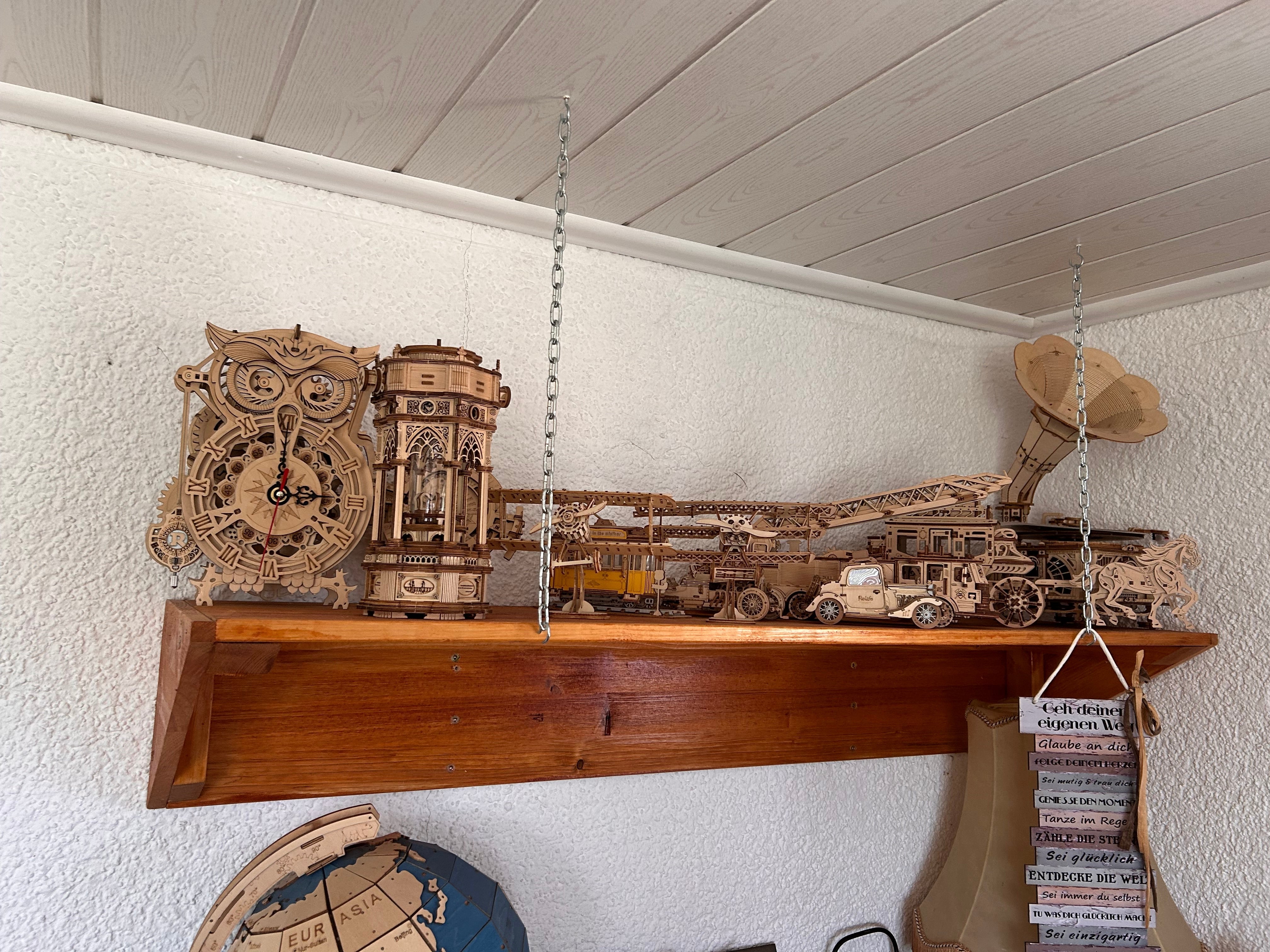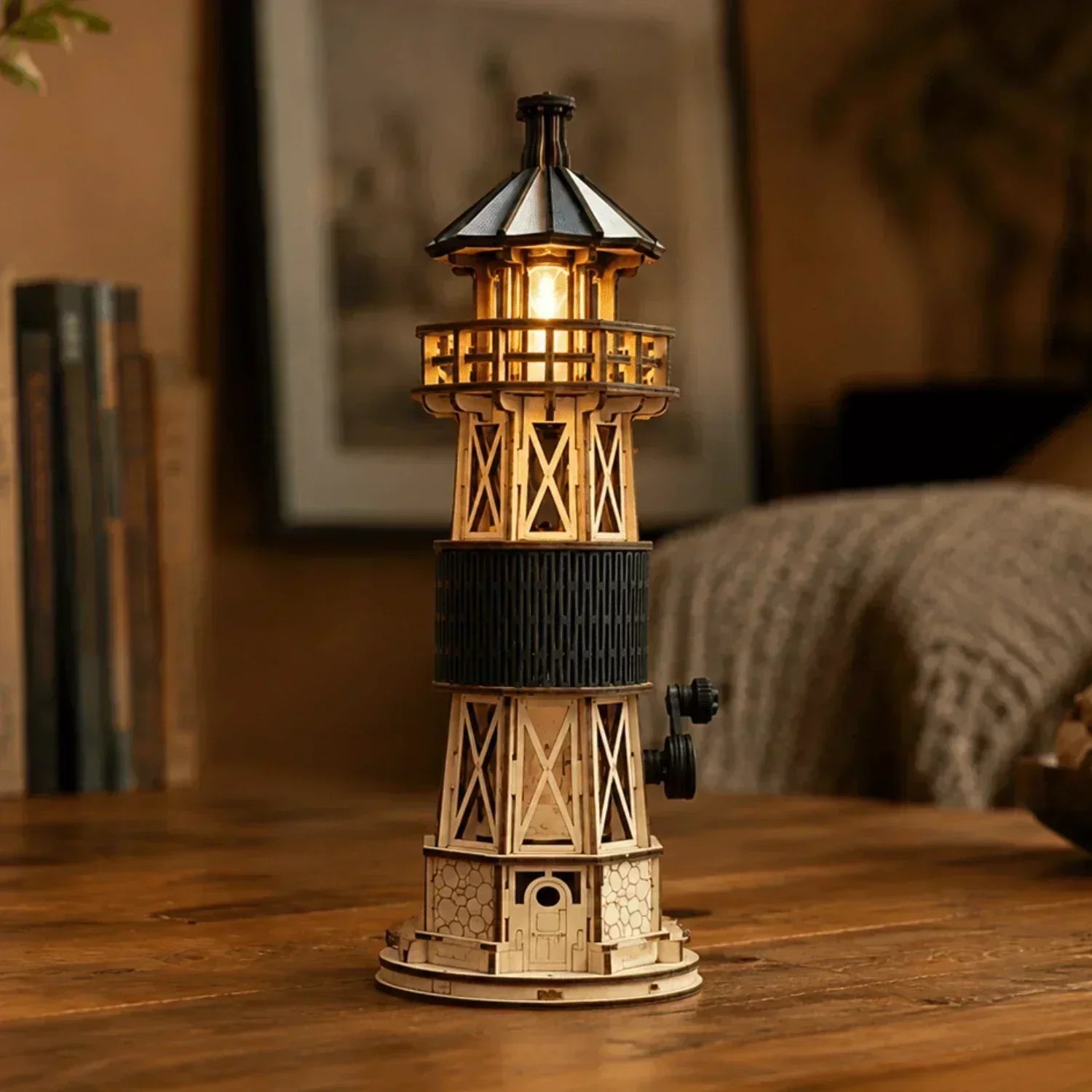



Puzzles are fun and help train the brain—both hemispheres! Since puzzles require both logic and creative thinking, they challenge our brains in a unique way.
But who hasn't gotten impatient while doing a puzzle and wanted to sweep all the pieces off the table? Be honest: we've all been there. We've put together a few tips to help you complete your puzzle calmly and with concentration.
- With Puzzle Tricks, you get a system for solving puzzles!
- Below you will find creative puzzle techniques that will help you complete your work.
- With the right puzzle tips, you can solve your puzzles faster.

10 puzzle tips for young and old
Solving puzzles is a good hobby for at home, especially ondays when the weather is bad. You can do a puzzle alone or with others, whichever you prefer.
Puzzling is relaxing and therefore a great way to unwind after work. To help you solve your puzzle even better, take a look at the following tips!
1. Choose a suitable puzzle
Puzzles are suitable for both children and adults. They usually vary in difficulty:
- Construction sets and wooden puzzles for childrenusually havesignificantly fewer pieces.
- Wooden puzzles for adults usually have between 1,000 and 1,500 pieces.
However, a typical number of puzzle pieces would also be 300 or 500 pieces.
- MARVEL Avenger Thanos Infinity Gauntlet | Wooden Puzzle 505
- Quezzle | Amazing Cappadocia | Parts 1-4
If you are still a beginner, it is worth starting with 300 or 500 pieces. You can increase the number later! If you already have a little experience, puzzles with fewer than 1000 pieces are usually too boring. Also, make sure that you like the motif and, above all, the color scheme.
You will find a large selection of special wooden puzzles in our shop.
2. Proper lighting is essential
When doing puzzles, you often have to recognize small patterns on very small pieces. You need to be able to study the pieces so that you can see which small colored spots might fit together. You should also be able to recognize the shape of the pieces clearly.
That's why the right lighting is essential for enjoying jigsaw puzzles. You also want to enjoy the picture you're putting together, and you can only see it properly in good light.
3. A cozy place
Puzzling should be fun. It's a hobby that allows you to relax or spend time with your family or friends. Accordingly, you should make sure that you feel comfortable when puzzling.
For this, you need a comfortable place with plenty of light. If you are sitting uncomfortably or people are constantly walking past you, making the place very restless, doing puzzles is only half as much fun.
4. A large, firm surface
At first glance, it often seems easier to do the puzzle directly on the floor or on the table. But once you've started the puzzle there, it can't be moved and blocks the table or the part of the floor where you've set it up.
This can bother not only other family members, but also yourself if you don't finish the puzzle right away and put it away.
Therefore, you need a large, sturdy surface on which to do your puzzle, so that you can move it to another location if necessary. A surface also makes it easier to frame your puzzle once you have finished it.
5. Pre-sorting the puzzle pieces
To make good progress with your puzzle, it is a good idea to sort the pieces beforehand. How should you go about this? Ideally, you should have enough space on your work surface to lay out the puzzle and also to form small piles of puzzle pieces.
Small boxes for the puzzle pieces are even better—you can easily fold these yourself using origami. Have you Sort by space for Sort by ? Then let's get started:
- First, the edge pieces are sorted out.
- After that, you can start Sort by the pieces by color.
You can usually tell which part of the picture the puzzle piece belongs to by its color.
6. Study the motif
To solve the puzzle, it is important that you know the motif. This does not mean that you know what the overall picture should look like in the end. Rather, it is about the small details:
- The structure of a spring,
- the light between the leaves of a tree
- or the exact coat pattern of the cat depicted.
This puzzle aid will help you sort the puzzle pieces more effectively. Often, you can divide your pre-sorted pieces into smaller piles by studying the image closely.
7. Proceed systematically
With the right puzzle techniquesand a systematic approach, you will never reach a point where you get completely stuck. There are two ways to proceed systematically:
- Either you go from the outside in
- or by theme.
What does this mean? If you start from the outside and work your way in, you always puzzle along the edge and work your way inwards.
If you proceed by motifs instead, you piece together individual motifs—for example, first the lake at the bottom right of the picture or the cottage in the middle. Then you put the completed motifs together.
8. Start with the edge
The most important strategy when doing puzzles: always start with the edges. Regardless of whether you decide to work from the outside in or by motif, you should always start with the edges. This allows you to quickly anchor completed motifs.
9. Don't despair
Stuck? The pieces just won't fit and they all look the same? Don't despair! If you're completely stuck, it helps to pick a prominent spot on the puzzle and systematically go through all the pieces that could belong there.
Sometimes, however, a break is all it takes—and then everything runs smoothly again.
10. Doing puzzles together with others
You can do jigsaw puzzles very well on your own, but it's also fun to do them with others. Depending on what you enjoy, you can divide up the pieces and each work on your own section of the puzzle, or you can try to find the right pieces for everything together.
Expert tip: Spend time with your family and friends while doing the puzzle! Afterwards, you can hang up the puzzle and remember the wonderful time you had together.
Conclusion
To avoid reaching a point where you suddenly get stuck while doing a puzzle, a little strategy is required. The more pieces the puzzle has and the more difficult the motif, the more useful a systematic approach becomes.
There are also a few other things to consider for puzzle fun: The lighting and space determine how much fun you have with your hobby!