



All parents are familiar with this situation: it's raining, it's cold, or the children can't play outside for other reasons and are getting restless. Indoor games that children enjoy and can play in a small space are the solution.
There are plenty of indoor activities for children that are fun, take the pressure off parents, and stimulate children's mental and fine motor skills. No home is too small for indoor play with children, and most of the games we present here require no additional materials.
In this article, you will find tips on how to best keep children occupied indoors.
The 10 best indoor activities for children
Indoor activities for toddlers are often not so easy to find, because games for 3-year-olds that can also be played at home must be designed in such a way that they are neither too challenging nor too easy. The same applies, of course, to games for 4-year-olds. But indoor children's games can also be of great benefit at a later age.
Painting and drawing
When it comes to indoor play ideas, painting and drawingare usually at the top of the list. Many children love experimenting with colors and expressing themselves. There are various ways to encourage children to paint or draw. Drawing requires little effort, but young children usually only enjoy it with colored pencils, as shading and hatching are still far too difficult for them.
What's more, colors are simply fun! All you need is paper and colored pencils, and you're ready to go. It gets a little more complicated with watercolors or even acrylic paints. For this, you need a
- Documentation required,
- Paper suitable for these colors
- brush
- and a painting smock.
While watercolors wash out of clothes quite easily, acrylic paints are very stubborn.
Wax crayons are another good option for painting. They offer vibrant colors, but require less preparation than painting with a brush.
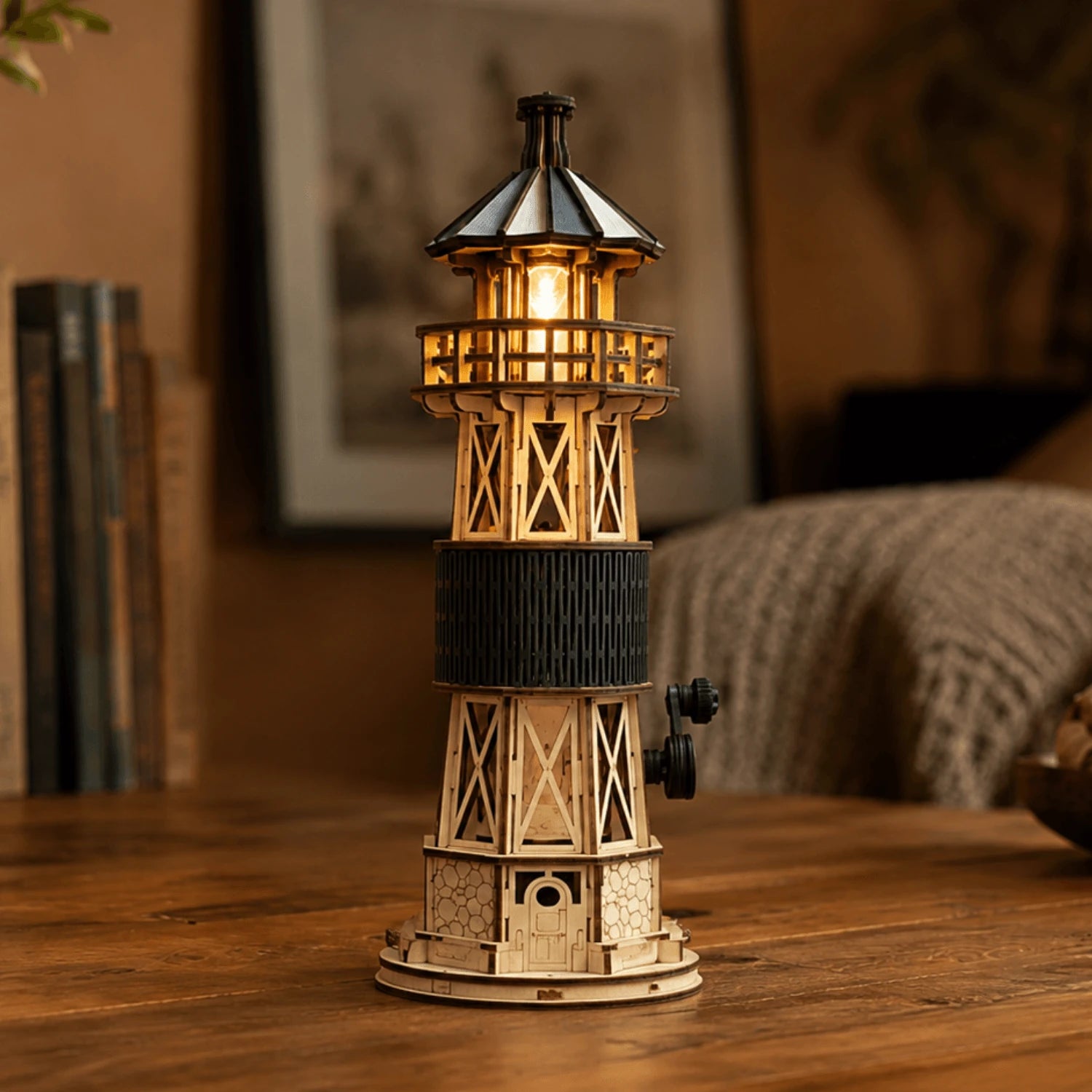
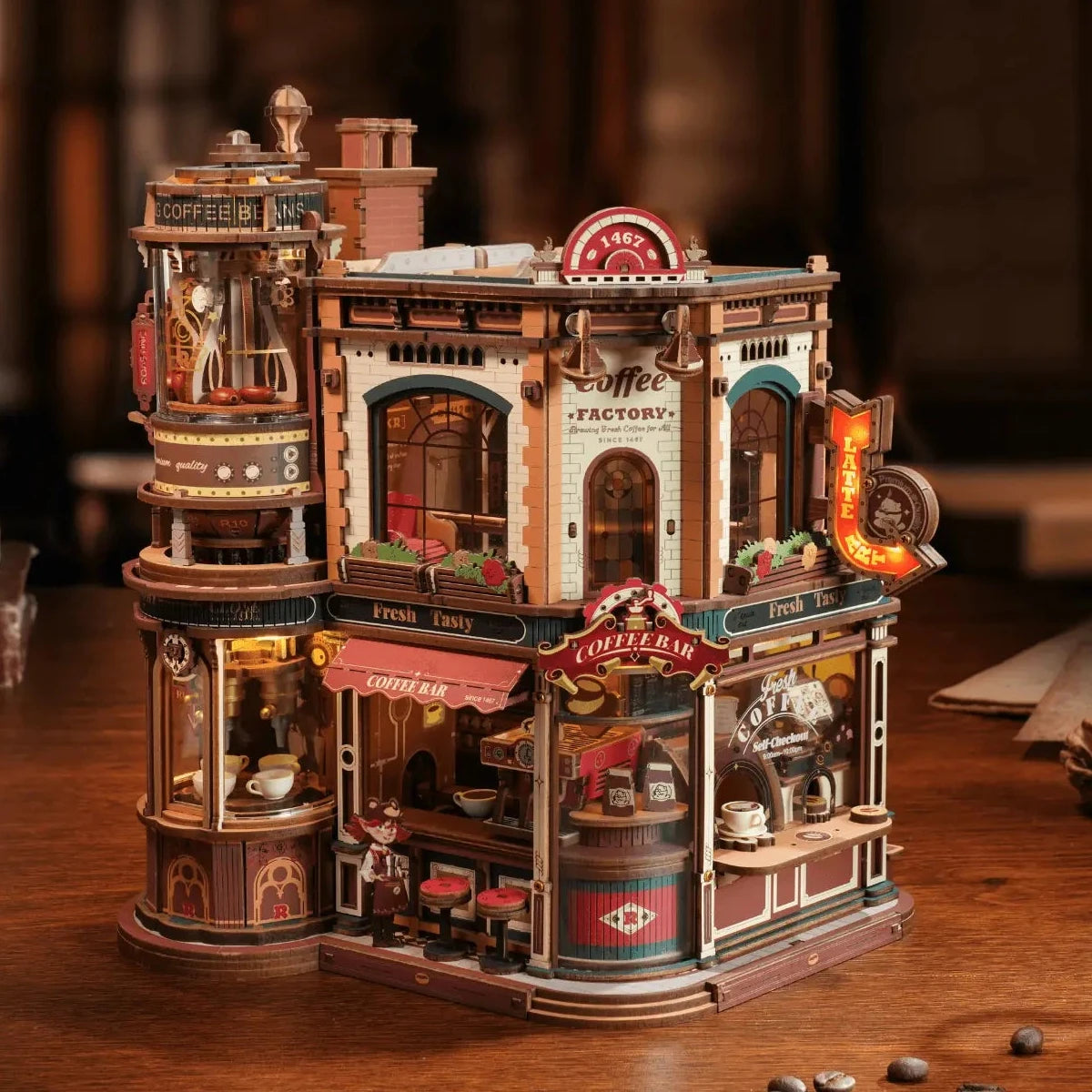
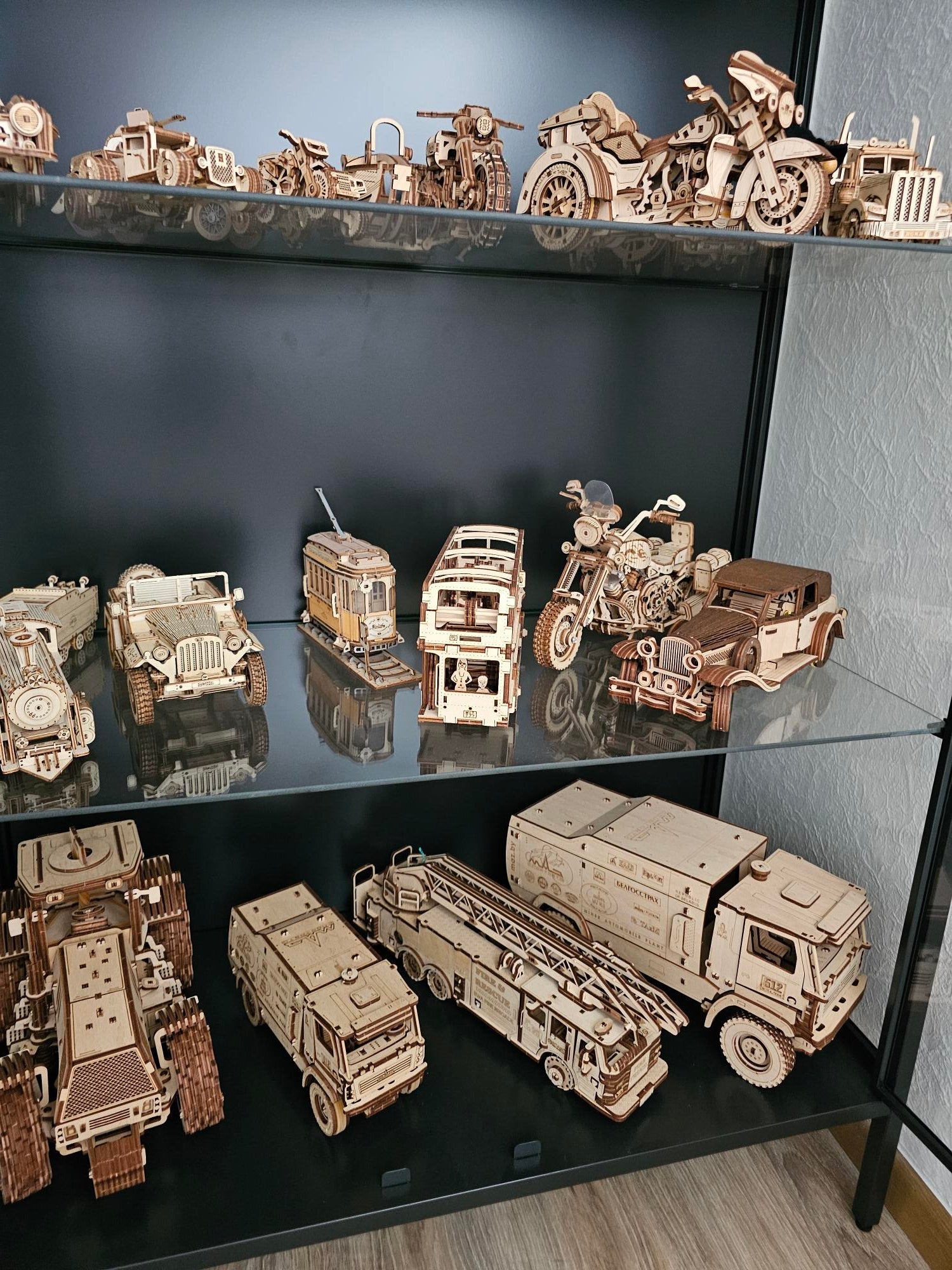
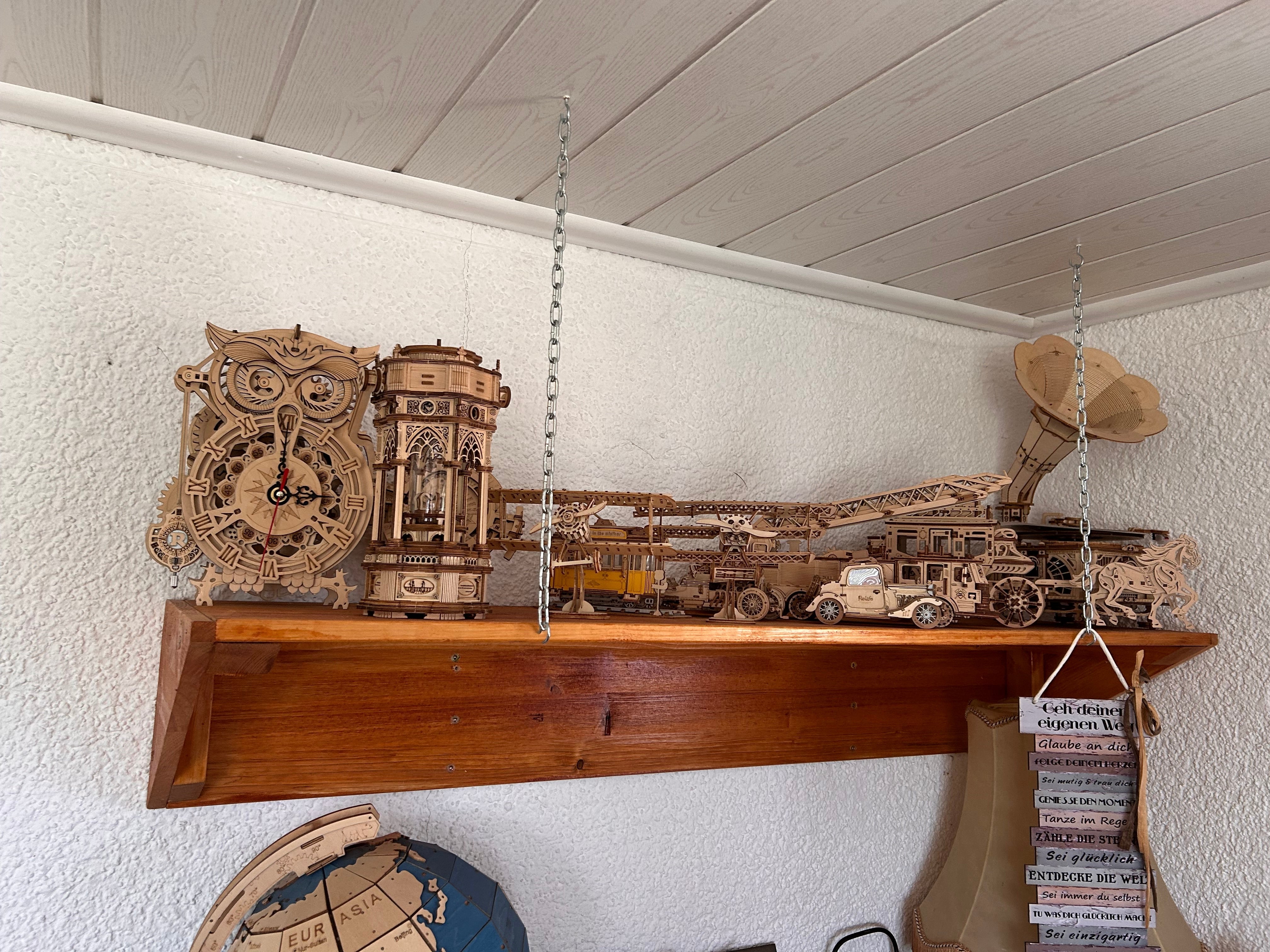
Wooden puzzles as an activity for children
Puzzles are also a good choice for indoor games for children aged 3 and up. These are available in a wide range of difficulty levels, so even three-year-olds can manage them. For very young children, it is important that the picture is clear and not abstract. In addition, the puzzle pieces should not be too small and their shapes should be distinct and very different from each other.
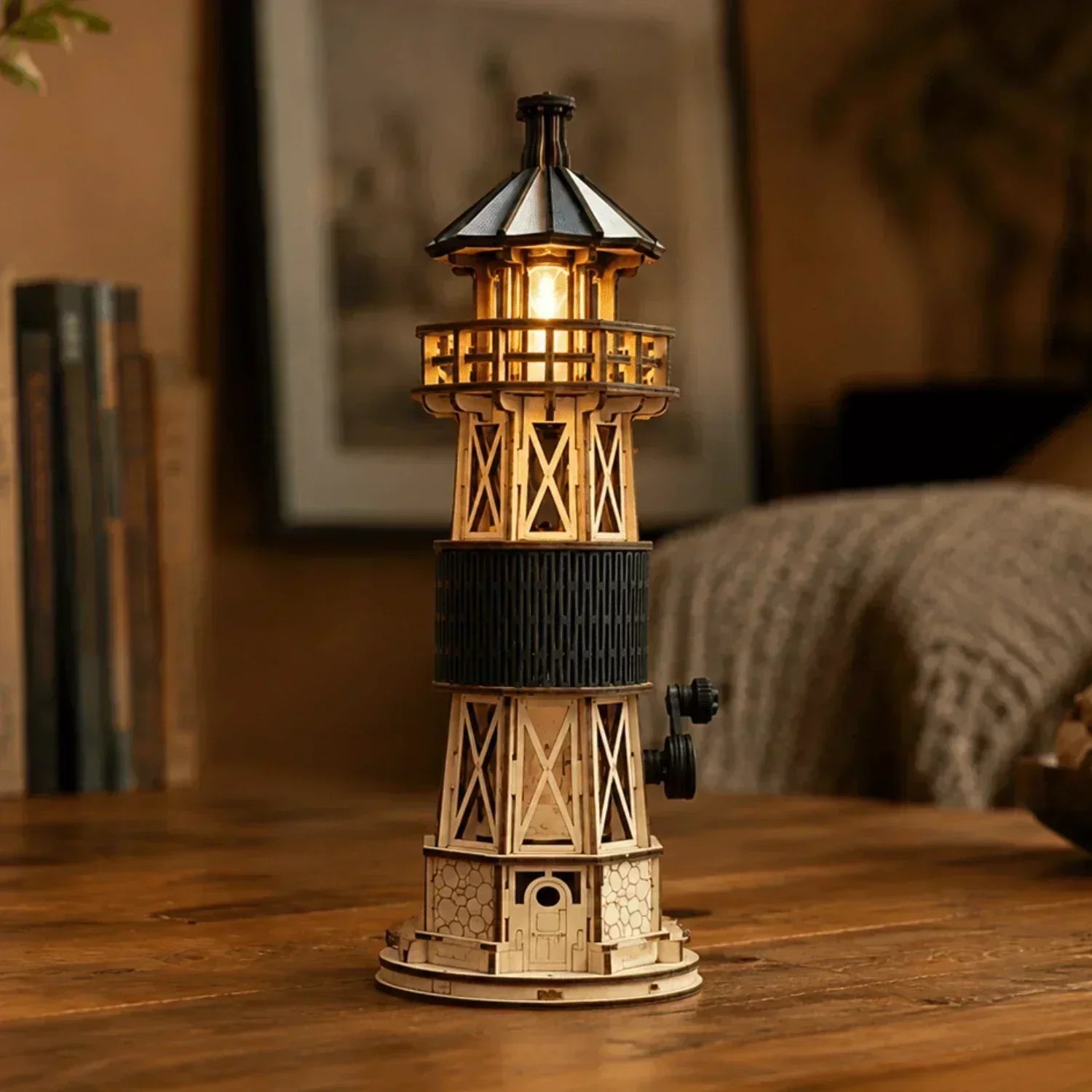
Wooden puzzles not only train children's fine motor skills, they also promote spatial thinking and hand-eye coordination. The older the children get, the more difficult the puzzles can be. You can find wooden puzzles in various levels of difficulty in our online shop.
Dressing up and theater games
Often, it's not just one child that needs to be kept busy, but group games for children indoors are sought after, for example, for a children's birthday party that has to be held indoors due to the weather. Group games include well-known games such as pin the tail on the donkey or tag. But what all children also enjoy is dressing up and playing theater.
Unlike theater for adults, it is usually less about telling the audience something. Instead, children love to slip into other roles and express themselves accordingly. The focus is therefore on "trying out" a different personality and thus different behaviors than they normally display.
Therefore, adults should applaud at the end even if they didn't understand the play—because that's often not what dressing up and acting is all about for children.
Building a cave together
If there are many children present, one of the games for children to play at home is building a cave together. This is fun even in small groups. To build a cave, you usually don't need any equipment that isn't already in the house.
- Chairs and blankets become walls,
- Tables to roofs
- and sofa cushions to a table in the cave.
The cave usually inspires ideas for games: cops and robbers is one of the most common, but the cave can also be used for a treasure hunt, or the children can turn into "mice" and the cave is their burrow.
Indoor sports and movement games
Many children need exercise, otherwise they become restless and fidgety. That's why indoor movement games for children are sometimes almost unavoidable, especially when their urge to move around cannot be satisfied outdoors. Such games are also helpful for children's motor development. Indoor movement games include, for example:
sock soccer
Kicking a soccer ball around the apartment quickly leads to broken glass and chaos, but a sock soccer game can help. To play, simply stuff a sock and kick it under a bed or sofa, for example, while a "goalkeeper" tries to prevent this.
Hide
At first glance, hide and seek doesn't sound like a physical game, because the children sit still most of the time, but there is still movement involved, because in order to hide, they usually run around the whole house to find a good hiding place.
Journey to Jerusalem with pillows
The journey to Jerusalem is a well-known indoor game, and with cushions instead of chairs, it can also be played at home.
Board or card games
Board games and card games are excellent indoor activities for children. They are available for a wide range of age groups, and most of them also encourage children to develop in various ways. These games also teach children important social skills. For example, they learn to have fun together even though they are playing against each other, and that you can't always win. In the best case scenario, they learn to be happy for others when they themselves have lost but someone else has won.
Telling stories
Storytelling is a wonderful way to keep a toddler occupied at home. We humans—whether big or small—love stories. If that weren't the case, there would be no Hollywood and no bookstores. Stories for toddlers should be easy to understand. Incidentally, it is a mistake to think that every story for small children must have a moral lesson. Sometimes it can just be fun!

Cooking and baking
Cooking and baking are also good ways to keep children busy at home, but they usually need help with this. Children aged around ten and above can bake their own cakes on their own.
playing music
Making music together is also fun and trains your ear. Regular music-making can also have an effect on cognitive performance. The exact link between improved cognitive performance and music has not yet been researched. Singing also boosts the immune system—and disables the fear center of our brain.
Scientific experiments and educational games
Scientific experiments and educational games are also fun. You can buy ready-made kits for these, but for many experiments this isn't necessary. You can explore the physics of water and air with a plastic cup in the bathtub, and you can make a compass with a needle, a cork, and a magnet.

Conclusion
To get children away from their cell phones, there are some games that are also ideal for indoors and promote children's mental and motor skills.
It is important that parents give their children plenty of opportunities to keep themselves occupied indoors, especially when they cannot play outside due to bad weather or other circumstances. The games and activities presented here offer a good selection of ways to keep children busy and entertained indoors.
Our recommendation is that parents try out different games and activities and observe which ones are best suited to their children.
Learn more by reading our other articles.