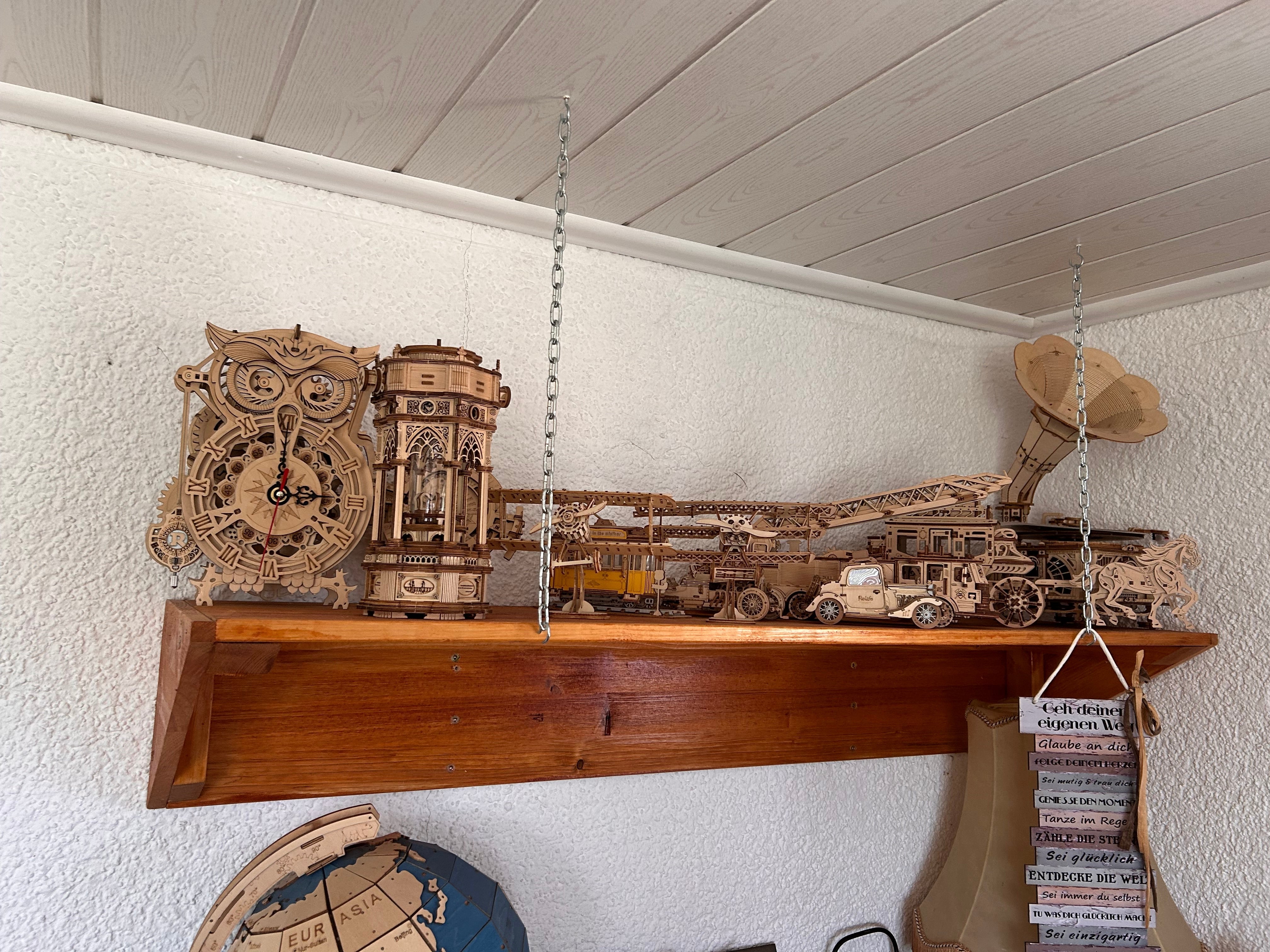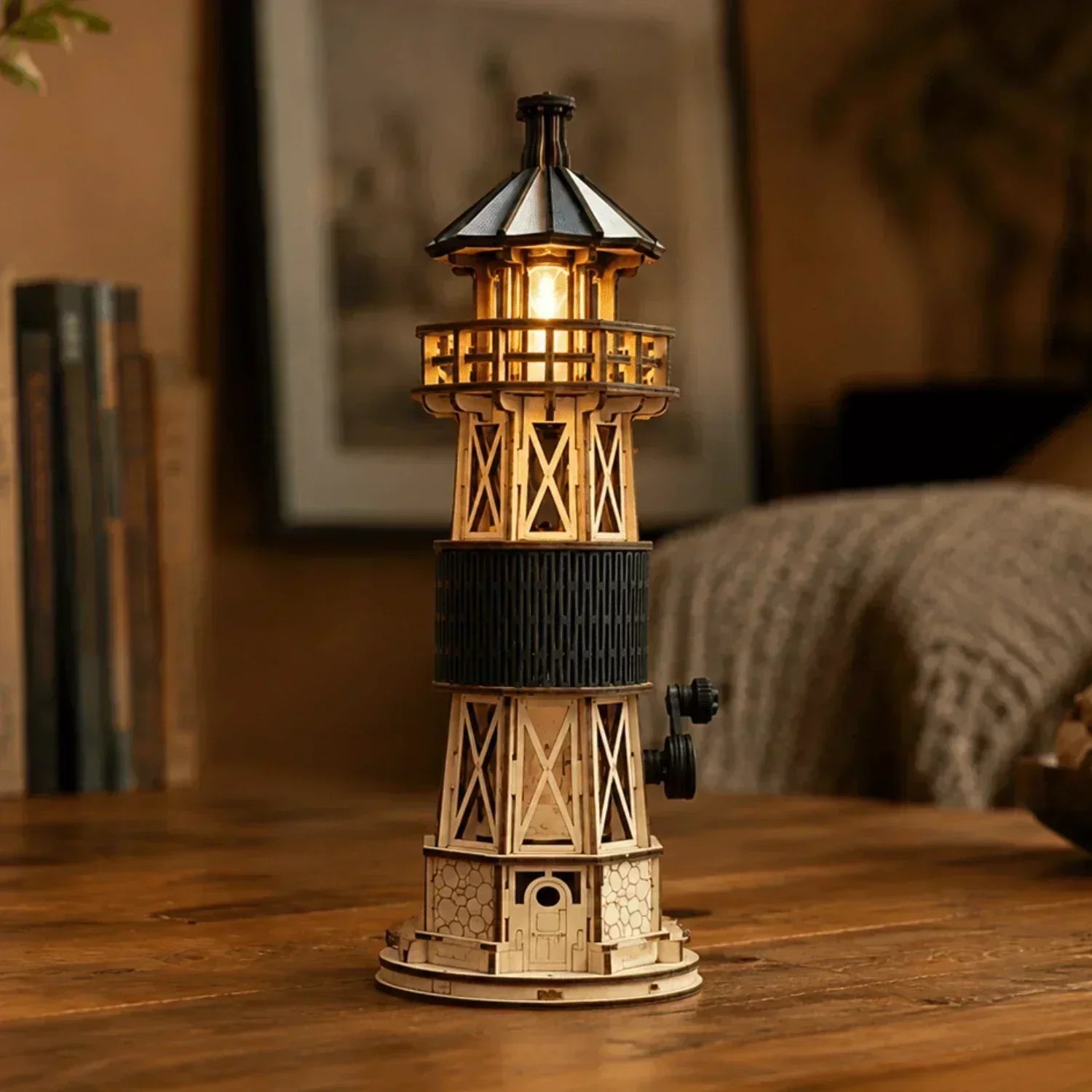




Hanging a puzzle requires a little more planning and care than hanging a picture or poster. But with the right tips, it can be easy to do, and your finished puzzle will become a beautiful decorative element on your wall.
In this article, you will find ideas for hanging up puzzles.
- There are various ways to glue your puzzle in place.
- In this text, you will find some great ideas for hanging up a puzzle without a frame.
- You can ask a friend to help you glue the puzzle together and hang it up—it'll be easier that way!
- Before hanging it up, you should glue your puzzle together so that it doesn't fall apart again.

How can I hang up a puzzle?
First, of course, you have to finish your puzzle before you can hang it up. If you get stuck while doing the puzzle, you can take a look at these puzzle tips, for example. Once you've finished your puzzle, you can hang it up in a special frame for puzzles, for example.
These have a border, and the "insertion depth" indicates how thick your puzzle can be for the frame. The border offers the advantage of providing support for your puzzle, allowing you to hang up your finished puzzle with ease.
Stick on the puzzle
Before framing your puzzle, you should glue it together so that it doesn't fall apart. To glue the puzzle, you need a surface that is suitable for gluing. It should be stable and, above all, durable. Be prepared for the surface to get a few glue stains.
There are two ways to glue your puzzle. You can glue it from the back or from the front.
Step-by-step instructions - Gluing the front:
Step 1: Slide thin paper under the puzzle

Carefully slide thin paper or cardboard under your puzzle if you have assembled it on a table or board that you don't want to get glue on.
Step 2: Apply Conserver evenly

Use a special preservative that is transparent and also protects the puzzle from UV radiation as much as possible. Apply the preservative carefully, making sure that the liquid adhesive also runs into the gaps between the individual puzzle pieces.
Step 3: Allow the preserves to dry

Allow the Conserver to dry sufficiently and as described by the manufacturer.
Step 4: Slide the solid board under the puzzle

Now you can carefully slide the solid plate of the frame under the puzzle. If necessary, get help to lift the puzzle.
Step 5: Cover the puzzle with the glass

Cover the puzzle with the glass from the frame and secure the glass according to the manufacturer's instructions.
Finally, you can hang the framed picture on the wall. It is best to use a cordless screwdriver for this and fix the hook in the wall with a dowel.
Step-by-step instructions - Gluing the back:
Instead of applying glue to the front of the puzzle, you can also apply it to the back . This has the advantage that you don't necessarily have to use a special conservator.
- Carefully turn the puzzle over as described in these instructions for framing the puzzle.
- Apply the adhesive or glue, or secure the puzzle pieces with wide adhesive tape.
- Now place the frame plate on top of the completed puzzle from behind.
- Turn the board and puzzle over.
- Now secure the glass or plastic panel of the frame according to the manufacturer's instructions.
Hang up the puzzle
To hang up your puzzle, there are a few things you need to bear in mind. Proceed as follows:
1. Find a suitable place
First, find a suitable place for your finished work. The place should be chosen so that the picture can unfold its effect. This can be crucial for the effect, especially with wooden puzzles with special motifs.
It is best to have a little free space around the picture. Ideally, the picture should also be beautifully illuminated by light.

2. Drill the hole
Unfortunately, a framed puzzle cannot simply be hung on a nail hammered into the wall, as this would not be able to bear the weight. You therefore need a
- Cordless drill/screwdriver,
- as well as a hook
- and a suitable dowel.
Use the drill to pre-drill the hole and then hammer in the dowel. Now you can tighten the hook and hang up the picture.
3. Align the image
To ensure that the picture hangs completely straight, you can ask a friend to check the alignment from a distance.
Expert tip: Don't use a spirit level to align the puzzle. Sometimes ceilings or walls are slightly crooked, which makes the picture look crooked too. Instead, align your puzzle parallel to the edge of the ceiling.
Can you fix puzzles without puzzle glue?
Yes, you can basically glue your puzzle without a special preservative —but usually only from the back. The preservative is designed to "preserve" the image of the puzzle, i.e. , to cover it with an even, transparent layer that protects it from UV light.
Other adhesives usually do not achieve optimal clarity and are therefore not all suitable for bonding the front side.
latex binder
Latex binding agent is an exception to the above rule. You can apply it from the back or the front. Latex is a renewable raw material used to make thin household gloves, for example.
- Latex binder is white in its liquid state,
- but becomes transparent when hardened.
You can apply the binding agent with a sponge, for example.
Double-sided adhesive tape
If you find working with glue too messy or difficult, you can also use double-sided adhesive tape. This is stuck to the back of the puzzle. The strips should overlap slightly and not protrude beyond the edges.
Wood glue or clear varnish
Wood glue or clear varnish are also suitable for gluing your puzzle together. For this, you will also need a thin piece of cardboard the size of your puzzle, as it is best not to apply the glue directly to the puzzle.
Instead, apply the glue to the cardboard. You can then stick the evenly coated cardboard to the back of the puzzle.
wallpaper paste
It is best to avoid using wallpaper paste for gluing. At first glance, wallpaper paste seems suitable for gluing a puzzle. However, the paste is too moist. It can cause the cardboard of the puzzle to swell, damaging your beautiful work.
Hanging up a puzzle without drilling: is that possible?
Hanging a puzzle without drilling is only possible if it is light enough. A normal puzzle or picture frame is too heavy to hang on the wall without drilling. You can get around this by gluing the puzzle between a piece of sturdy cardboard and a very thin, lightweight acrylic glass plate and hanging this on a nail.
Conclusion
A completed puzzle does not need to be taken apart again. Instead, the puzzle can serve as a decorative element in your home. To hang up the puzzle, the choice of adhesive and frame is crucial to ensure that it hangs properly.
Don't miss out on any news and read our latest articles.