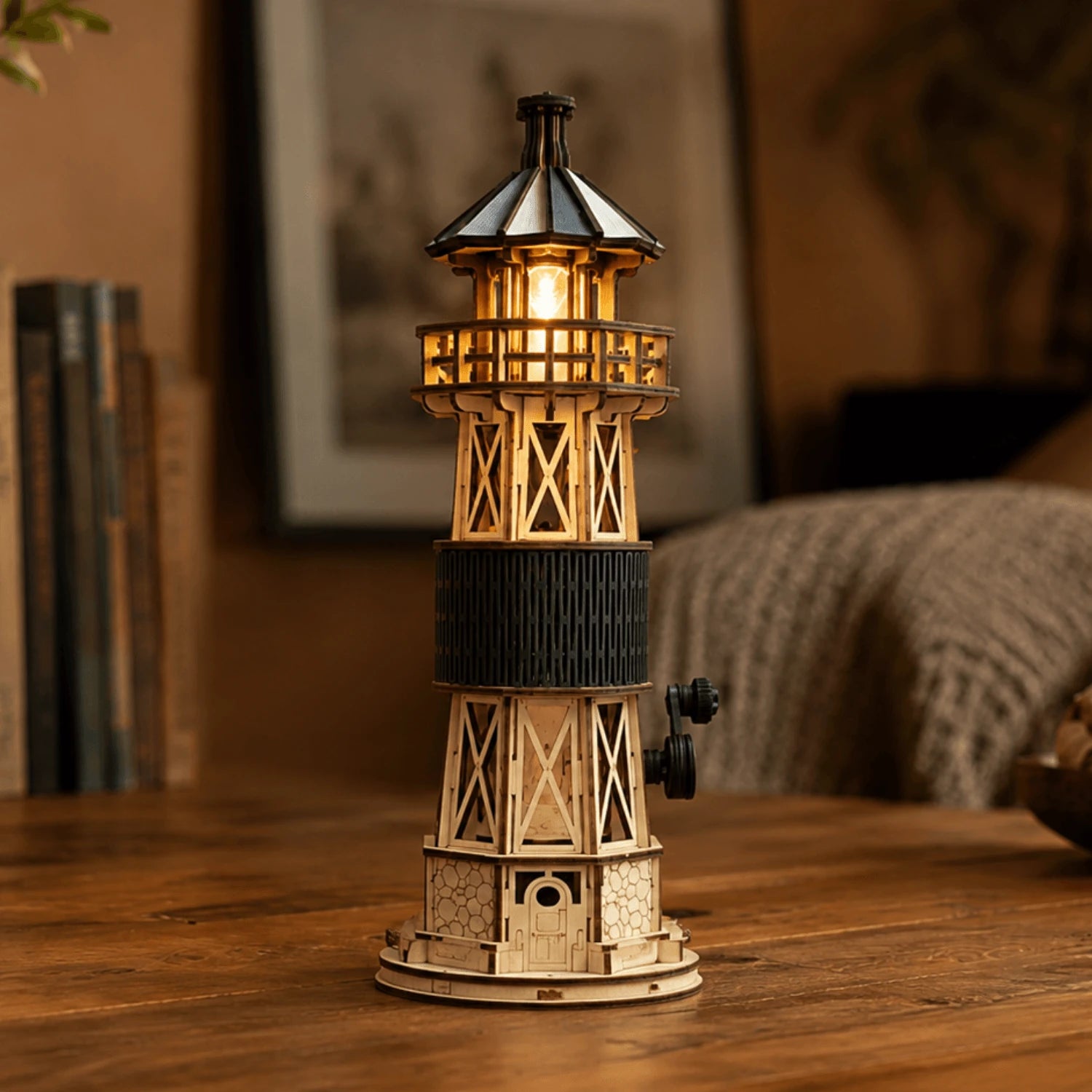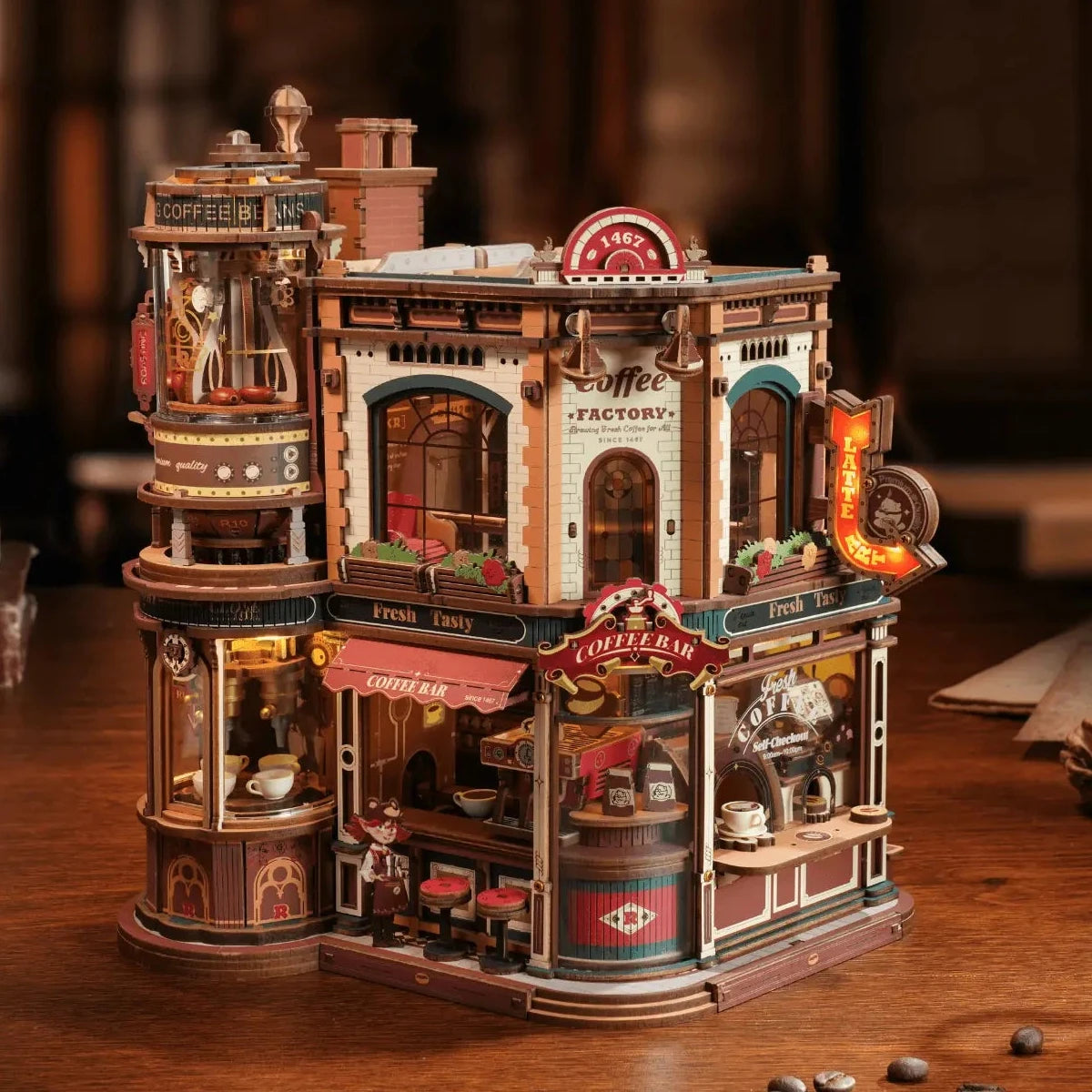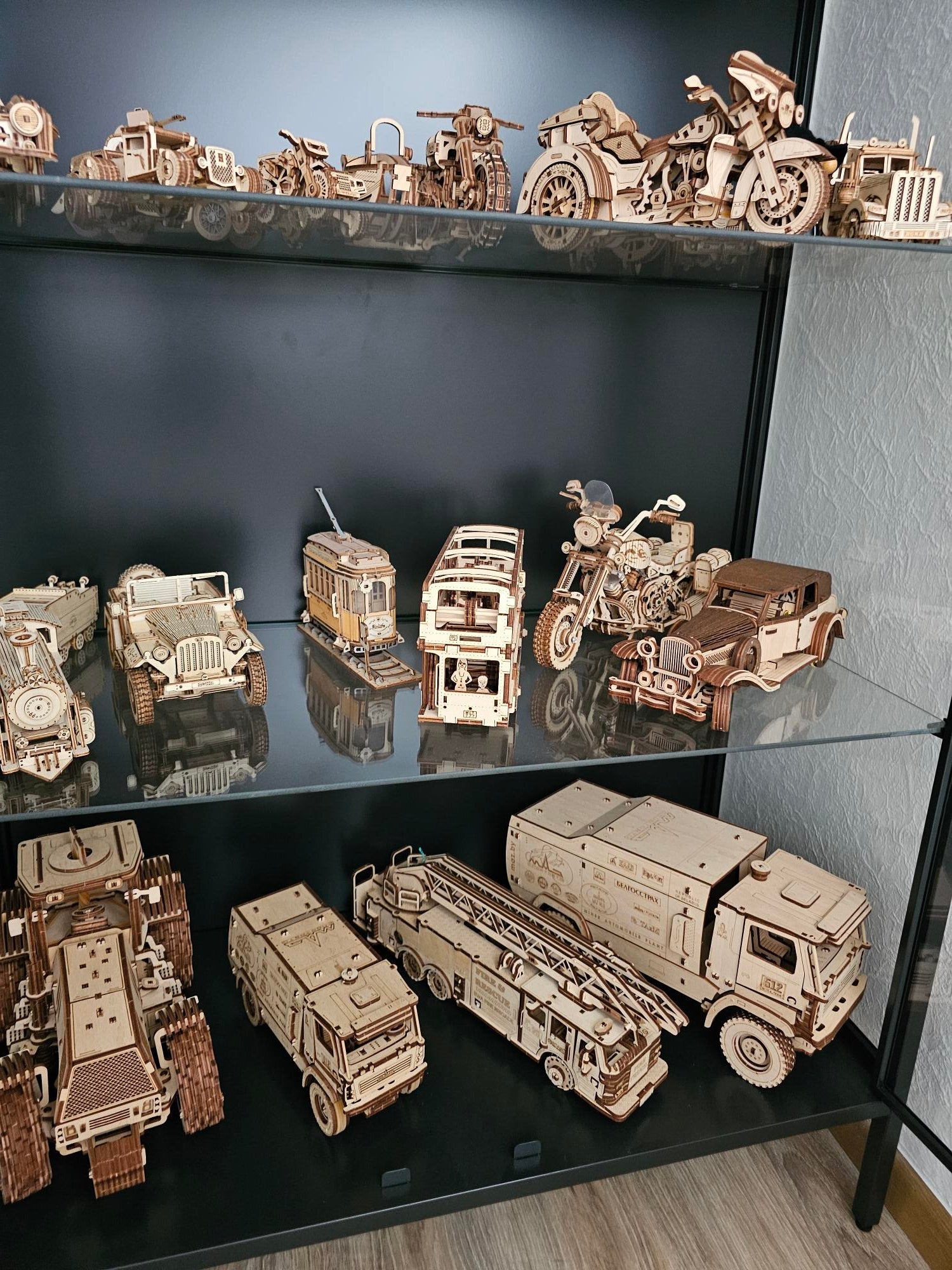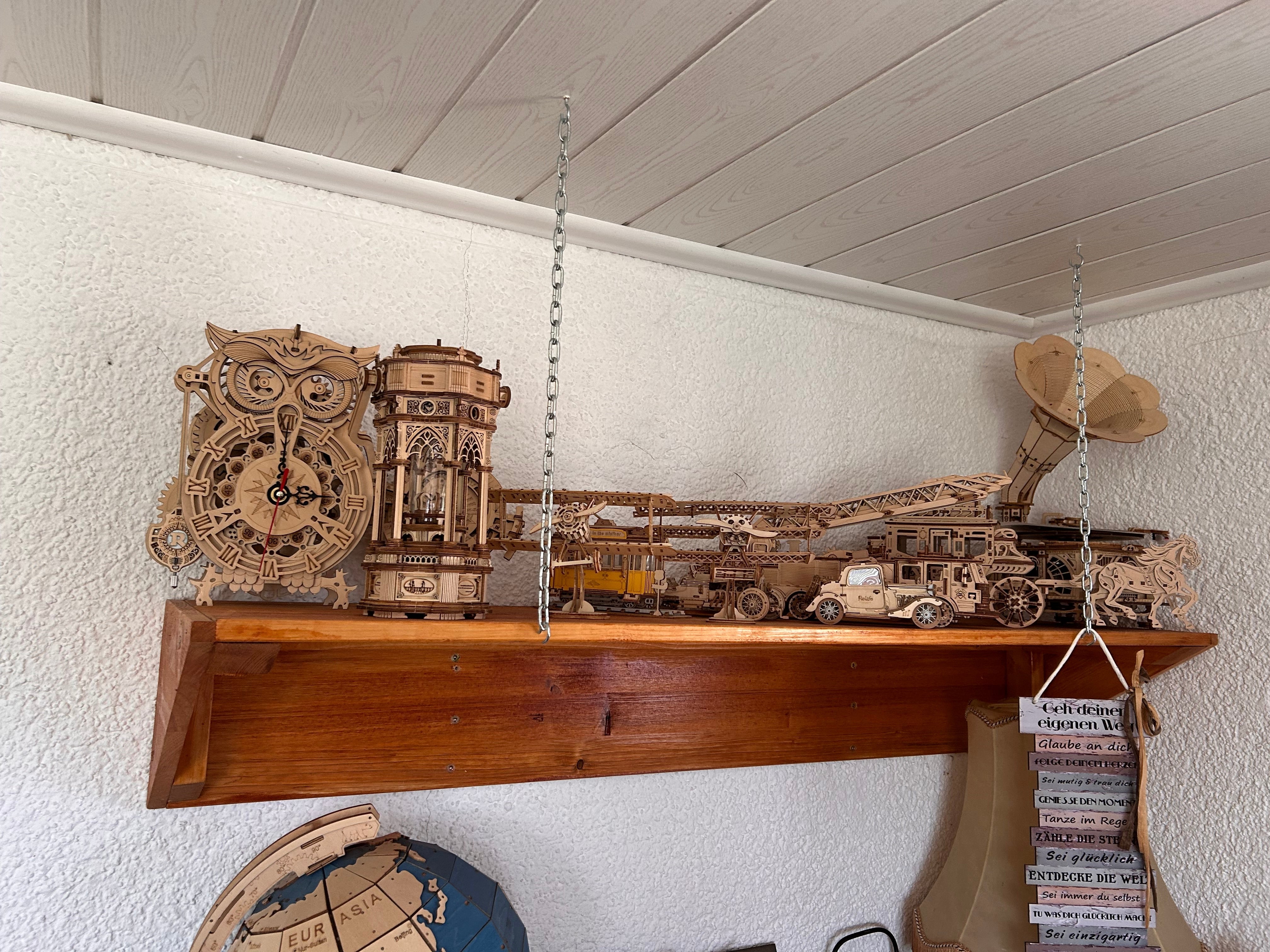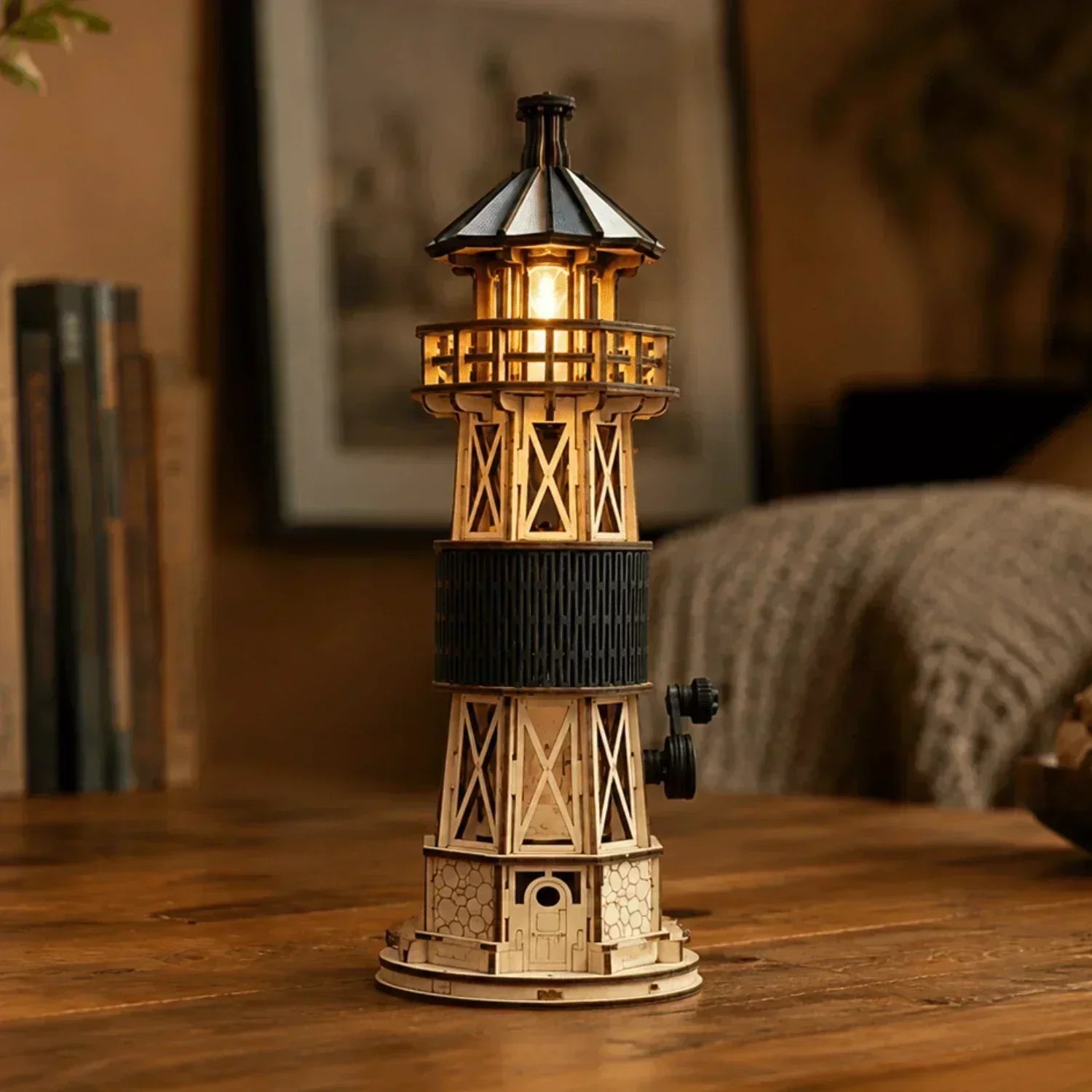



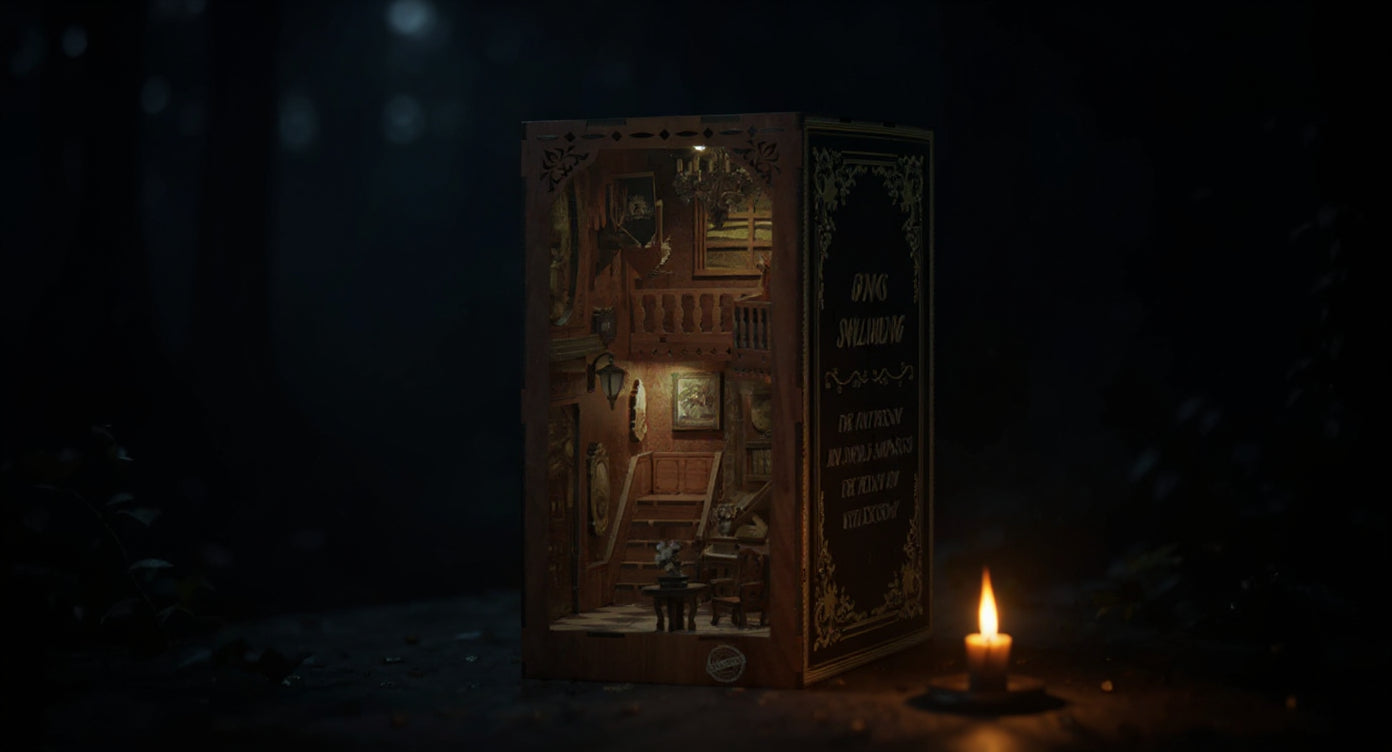

Have you ever discovered a little window into another world—right where books usually sit on the shelf? Then you’ve come across a Book Nook. These artistic miniature worlds fit perfectly between two books and transform your bookshelf into a tiny stage filled with fantasy, history, or everyday scenes in miniature. From a magical reading room to a nostalgic streetcar to a romantic city café—anything is possible, all within just a few centimeters of depth.
Book Nooks combine a passion for crafting with magical design. They tell little stories using various materials such as wood, paper, light, and color. So it’s no wonder that these dioramas for bookshelves are all the rage right now—perfect as gifts or as creative decorative pieces for your home.
In this guide, you'll learn exactly what a book nook is, where the trend comes from, and why so many people are fascinated by these little scenes on bookshelves.
The Origins and History of Book Nooks
What is now a lovingly crafted decorative trend on bookshelves originally began as a creative niche in the crafting community. The idea of placing miniature scenes directly between books has developed into a worldwide hobby in just a few years—with a steadily growing fan base.
How the trend came about
The first book nooks appeared in Japan around 2018. The Japanese artist Monde is often credited with coining the term: he posted manga-style photos of small street scenes and alleyways that fit perfectly onto a bookshelf. The combination of miniature art and literary references immediately captivated many people. The charm of these models lay not only in their attention to detail, but also in the idea that an entire world could be hidden between two book spines.
What began as a single project quickly spread across social media. On platforms like Instagram, Reddit, and Pinterest, book nooks sparked amazed reactions and inspired DIY enthusiasts to get creative themselves. Today, there are countless variations worldwide: DIY kits, unique homemade creations, and entire online communities dedicated to techniques, themes, and design ideas.
The fact that this trend has grown so much is also evident from our customers’ experiences: 78% had already pursued other DIY hobbies such as puzzles, diamond painting, or sewing—for them, book nooks are a natural extension of their creative passion.
Book Nook vs. Diorama: What's the Difference?
A diorama is a three-dimensional representation of a scene, usually housed in a closed frame or display case. You can find such models in museums or in model making, for example. They usually have an educational background and show historical events, landscapes or even everyday scenes with a very high degree of realism. Dioramas are typically used for illustrative purposes, for example in school projects or exhibitions.
Book nooks, on the other hand, are not display pieces but serve a purely decorative purpose. They are crafted with the same attention to detail, but their primary purpose is to create a certain atmosphere. The focus is on the narrative aspect —not so much on exact replication as on the moment that sparks curiosity and imagination when you glance at the shelf.
Why are miniature worlds for bookshelves currently so hyped?
Book nooks strike a chord with the spirit of the times: they invite viewers to take a brief mental break from the hustle and bustle of everyday life. In a world that is often loud and fast-paced, these little scenes on the bookshelf feel like a quiet retreat. Through the interplay of materials, light, and color, they offer a glimpse into another world—all in a completely analog way.
Another reason for its popularity is the creative freedom it offers. You can buy a book nook as a ready-to-assemble kit or get creative and design it yourself based on your own themes. Even ready-made models can be personalized by adding small details like figurines or homemade accessories. The crafting process alone provides a relaxing break from everyday life.
By the way, according to an internal survey, many of our customers describe their Book Nook experience as “magical”—in fact, that word came up more often in our survey than “beautiful” or “great.” 85% end up placing their model in a prominent spot on their bookshelf and find themselves lost in its lovingly crafted details time and time again.
Who is a Book Nook suitable for?
The concept of the book nook appeals to a wide variety of people. First and foremost, it’s loved by those who enjoy working with their hands and may be looking for a break from their everyday office routine. Sometimes, however, it’s also driven by the desire to find a unique decorative piece. There are even collectors now who are on the hunt for special items.
The Book Nook craft project is also a wonderful activity for families on rainy days. Precisely because there are patterns for both beginners and advanced crafters, it’s easy to get started—and your enthusiasm grows with every finished piece.
By the way, according to the survey, 75% of our Book Nook fans are between the ages of 25 and 54—clear evidence that this is a creative hobby for adults.
Where's the best place to set up a book nook?
The classic answer is: on a bookshelf—because that’s exactly what Book Nooks are made for. Their size and shape are modeled after a standard book spine, allowing them to fit seamlessly into the gap between two books. But of course, there are other places where you can put your Book Nook. It also looks great in a nice display case, on a sideboard, or on an open wall shelf.

Above all, it’s important that the location be protected from dust, not too sunny, and as quiet as possible, with no vibrations. If your model is illuminated, you should also make sure that the battery or power source remains accessible. Some hobbyists even integrate their Book Nook into themed shelves or combine several models to create a small diorama.
What is a Book Nook made of, and how is it put together?
A Book Nook is a well-thought-out system that combines material selection, construction, and technology. To transform flat individual parts into a stable, three-dimensional miniature world, many elements work together: the base, back panel, side panels, scenery pieces, decorative objects, and technical components are precisely coordinated with one another.
Book Nook Kits vs. Building One from Scratch
If you want to build a book nook, you basically have two options: You can either use a kit or design your own miniature world. A kit already contains all the pre-made elements, so you don't have to cut or design anything yourself—you just put the pieces together like a complex puzzle.
Complete DIY, on the other hand, starts from scratch: you design your nook yourself, plan the dimensions, perspective, and lighting, and build each element independently. This requires more time, tools, and creativity—but offers complete creative freedom.
Kit:
- faster start
- perfect for beginners
- reliable result
- clear instructions
Homemade:
- maximum freedom
- unique result
- more complex and prone to errors
- ideal for advanced learners
The book shelf kits are made of various materials.
The appeal of a book nook lies in its complexity and three-dimensionality. This requires a variety of materials. Each material serves a specific design function. The base is usually made of laser-cut wood, which provides stability to the miniature world and can be easily assembled or glued together.
- Plastic is used for transparent or shiny elements such as windows, lamps, or glass fronts.
- Paper is often used for posters, books, wallpaper, or street signs—anything that creates depth of detail.
- Fabric is used when curtains, carpets, or small banners need to be staged.
- Metal parts —mostly in the form of tiny fittings, brackets, or grilles—add accents and give the model a certain authenticity.
The combination of these materials also gives the miniature world its special feel and depth.
Lighting and electronics as highlights
It’s the lighting that really brings many Book Nook scenes to life. That’s why some of the sets include battery-powered LED lights. They’re placed behind windows, hidden under shelves, or installed in such a way that the entire room is illuminated with a warm, inviting glow. Some sets even feature multicolored LEDs or small effects like a flickering glow or a color gradient.
Technically speaking, the electronics are usually kept simple: a small battery compartment, a switch, possibly a solder point—that's all you need for the basic setup. For advanced users, however, there is also the option of implementing their own lighting concepts, for example with light guides, USB connections, or motion sensors.
The effect is certainly striking: Light enhances the sense of depth, creates a magical atmosphere, and draws the eye to specific details. This turns your book nook into a glowing focal point on the shelf.
What themes and designs are available for Nook Books?
Book nooks tell stories—and that’s exactly why the themed worlds are so diverse. Popular examples include historic street scenes, like those found in old towns—with cobblestone streets, streetlamps, and small shop signs. Cityscapes in the style of major cities like Venice or London, featuring lovingly designed facades, bridges, and waterways, are also popular motifs. In addition, there are fantasy scenes—featuring elves, wizards, or mysterious passageways reminiscent of old libraries or magical alleyways.
Typical topics include:
- Magical worlds: hidden doors, enchanted libraries, winding alleys
- Astronomy and the universe: miniature planets, night sky, constellations
- Urban motifs: cafés, bridges, train stations, nostalgic lanterns
- Sakura Book Nooks: Beautifulcherry blossom designs.
- Romantic scenes: small courtyards, fairy lights, window seats
- Fairytale elements: fantasy animals, magic schools, enchanted forests
New models are released regularly, so you can keep adding to and expanding your Book Nook collection.
How to create your first Nook Book from a kit
To assemble a Book Nook from a kit, you usually have everything you need right at your fingertips. When placing your order, you can either choose a starter set to get a feel for your first miniature world, or opt for a more complex model that requires a bit more effort to assemble.
Tip: Feel free to use the filter function at MagicHolz there you can search specifically for the level of difficulty.
Book Nook for Beginners
 |
"Romantic Venice” – an atmospheric cityscape featuring a bridge, a canal, and Venetian charm. The model consists of about 80 pieces that are easy to handle and simple to assemble. The assembly process is clearly structured, the scene elements are well-organized, and you’ll be guided step by step through the set. This makes it ideal for anyone building their first Book Nook who wants to experience a quick sense of accomplishment.
Book Nook for Advanced Users
 |
"Magic Night" – a mystical scene with a starry window, bookshelf, and moonlight. The model is completely pluggable, but contains significantly more components and requires a steady hand. With over 130 individual parts and multiple levels, it is ideal for advanced builders who want to create a more complex diorama. The effort is worth it: the finished result looks like a glowing window into another world.
These accessories are included in the kits
A typical kit contains all the important components you need for construction—cut to size. These include:
- the supporting wooden structure (floor, walls, back wall)
- Decorative elements made of paper, fabric, or plastic
- usually LED lighting including cables, switch, and battery compartment
- color instructions with step-by-step drawings
- Some additional accessories such as mini books, pictures, or furniture elements
Some kits also include glue and tweezers—with others, you should have a few tools ready yourself.
Do you need glue or tools?
Depending on the model, yes—but not necessarily for all of them. Many kits can be assembled entirely by snapping the pieces together, while others require a small amount of glue in certain places. For all sets that require glue, we recommend the B7000 adhesive. It can be applied precisely, adheres to a variety of materials, and dries crystal clear. You can find even more detailed information in our article on Book Nook adhesive.
These tools are also helpful for crafting:
- fine tweezers for tiny parts
- Toothpick or applicator for applying glue
- small scissors or cutter for paper details
- If necessary: fine sandpaper, ruler, mini screwdriver
- For the finish: a soft cloth for cleaning surfaces
With this basic equipment, you can build almost any diorama.
Conclusion: Your first miniature world is already waiting for you.
Book nooks are more than just decor—they’re little escapes from everyday life, creative craft projects, and real eye-catchers on your bookshelf. Whether you start with a simple kit or dive right into a more complex model, you’ll end up with a magical little miniature world that takes you away from the daily grind for a few moments. Browse our shop now and pick out your favorite design. But be warned: it’s addictive!