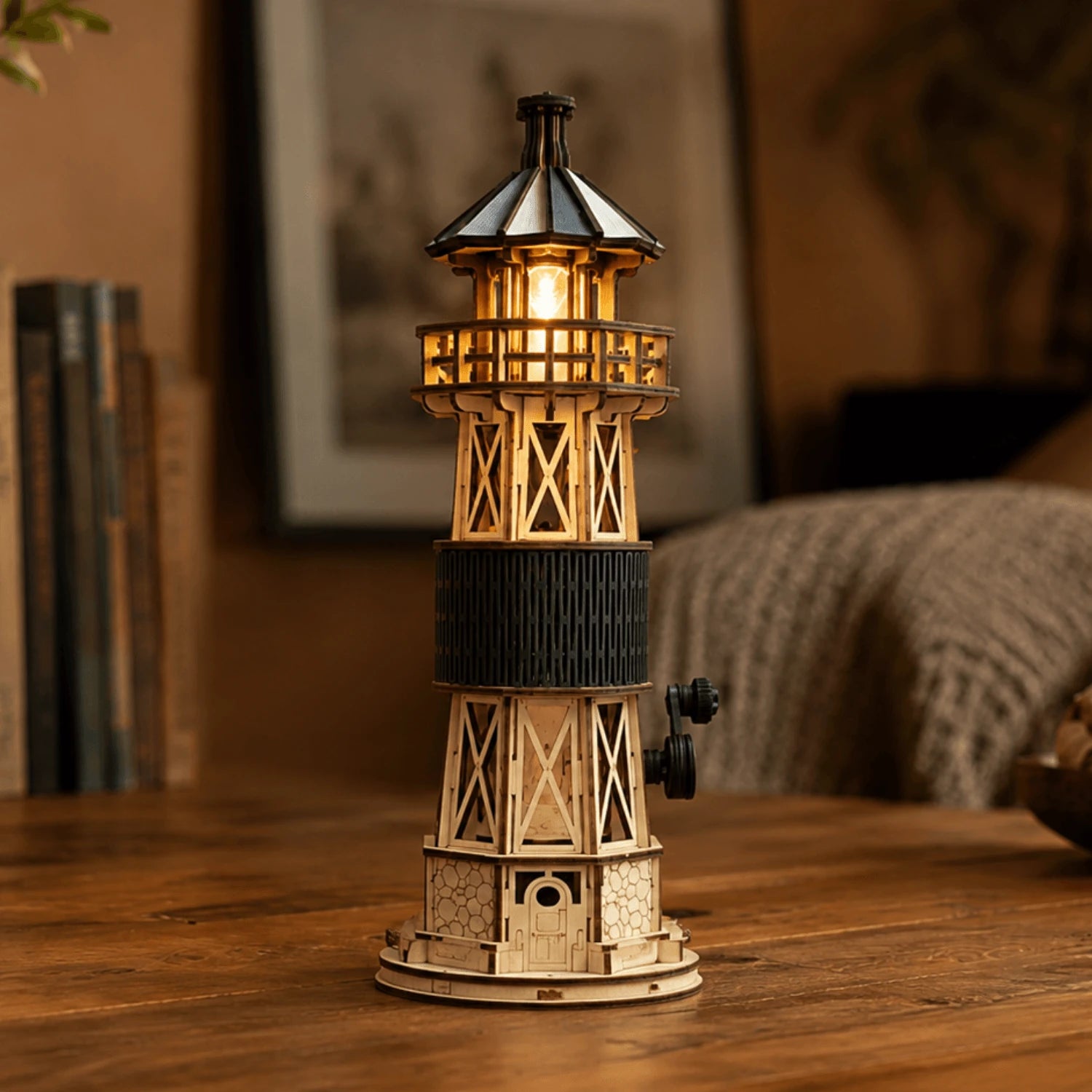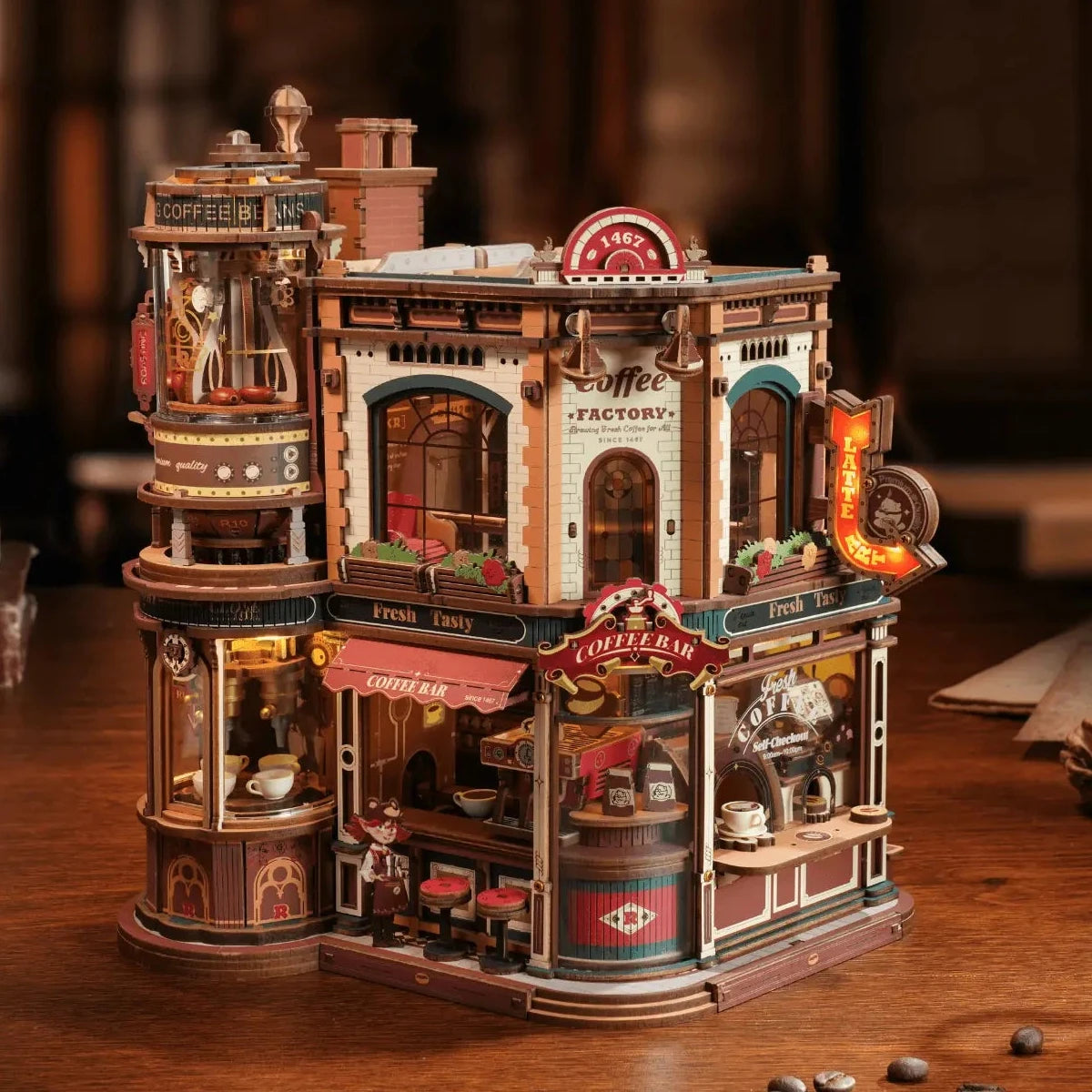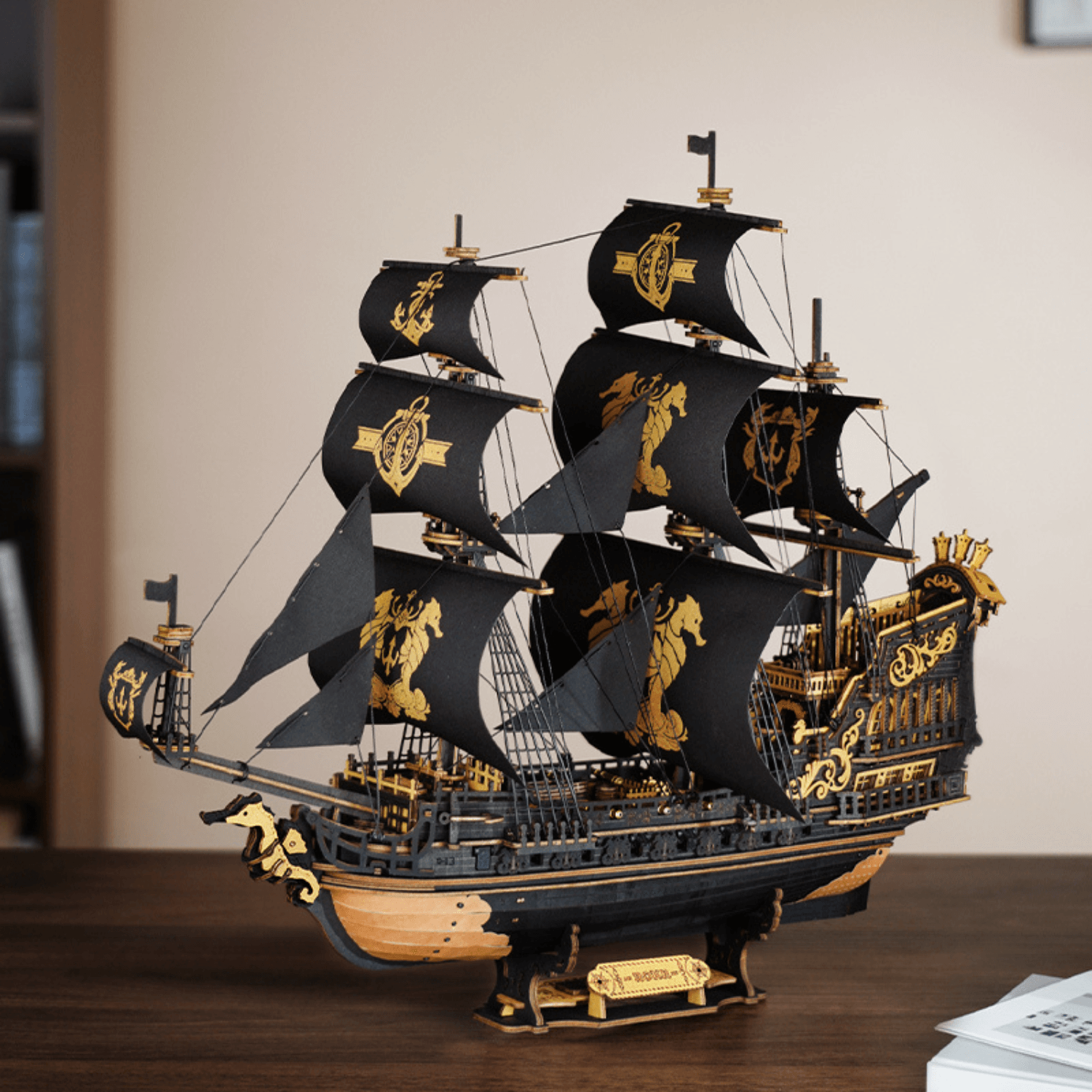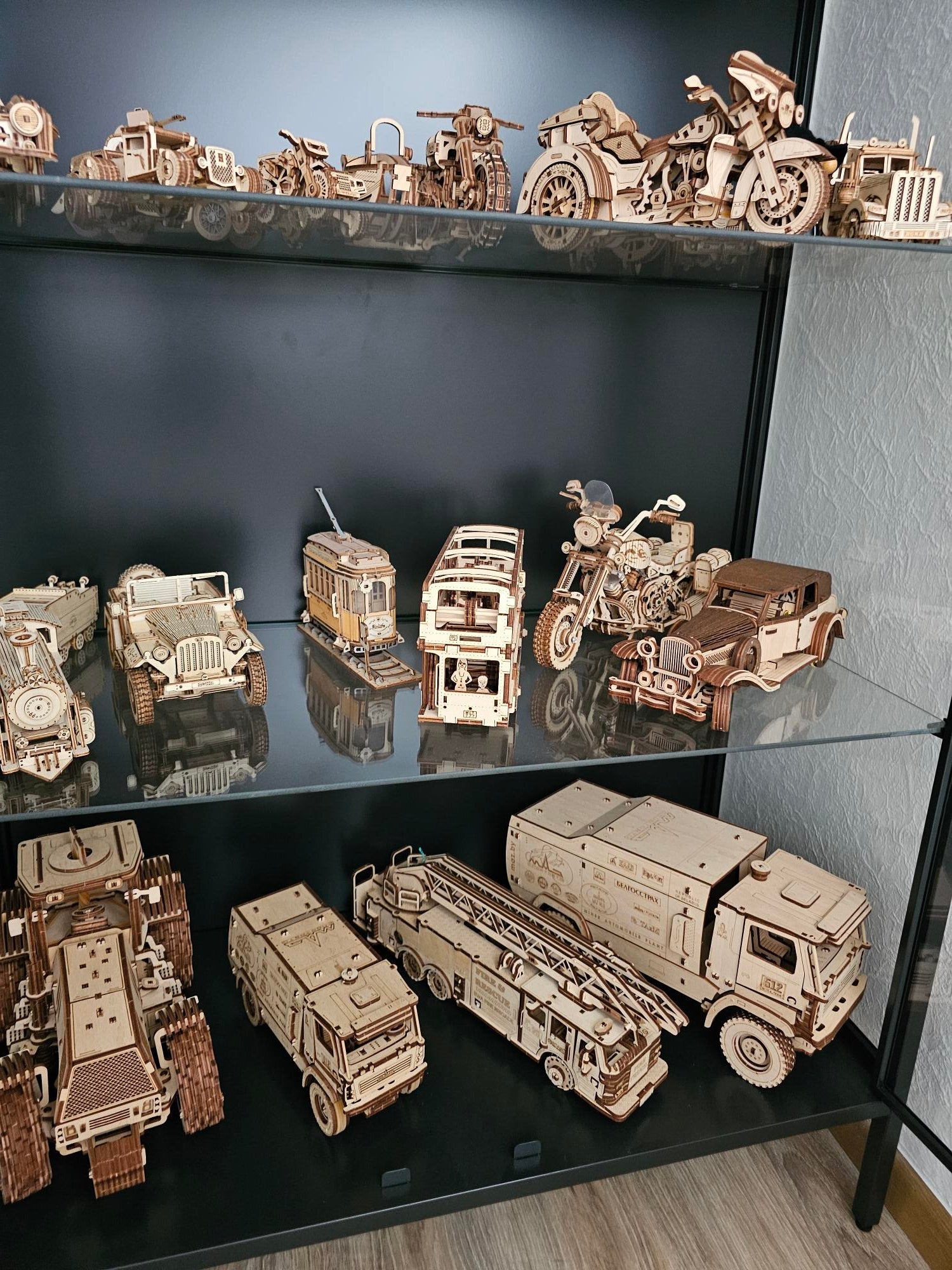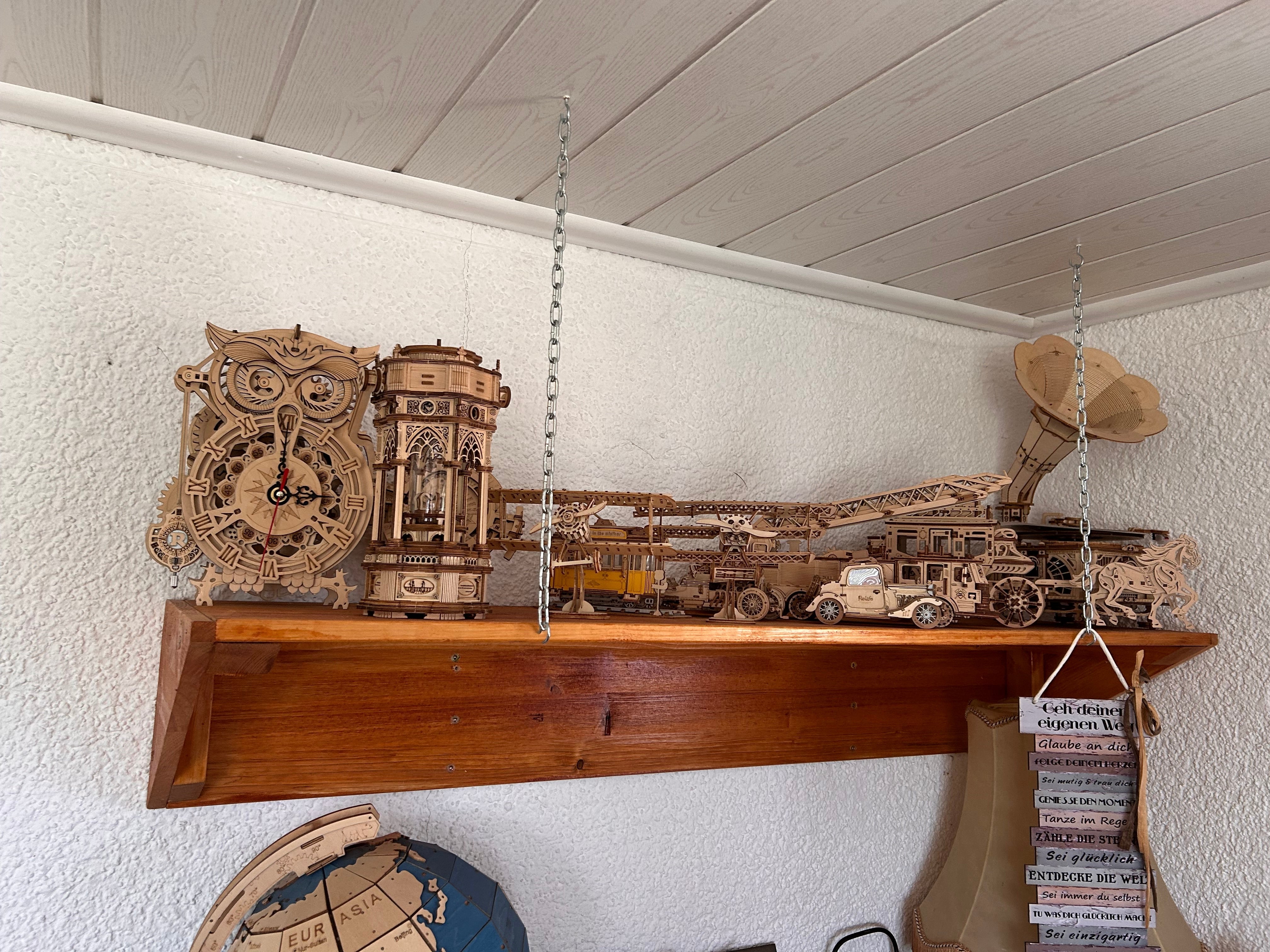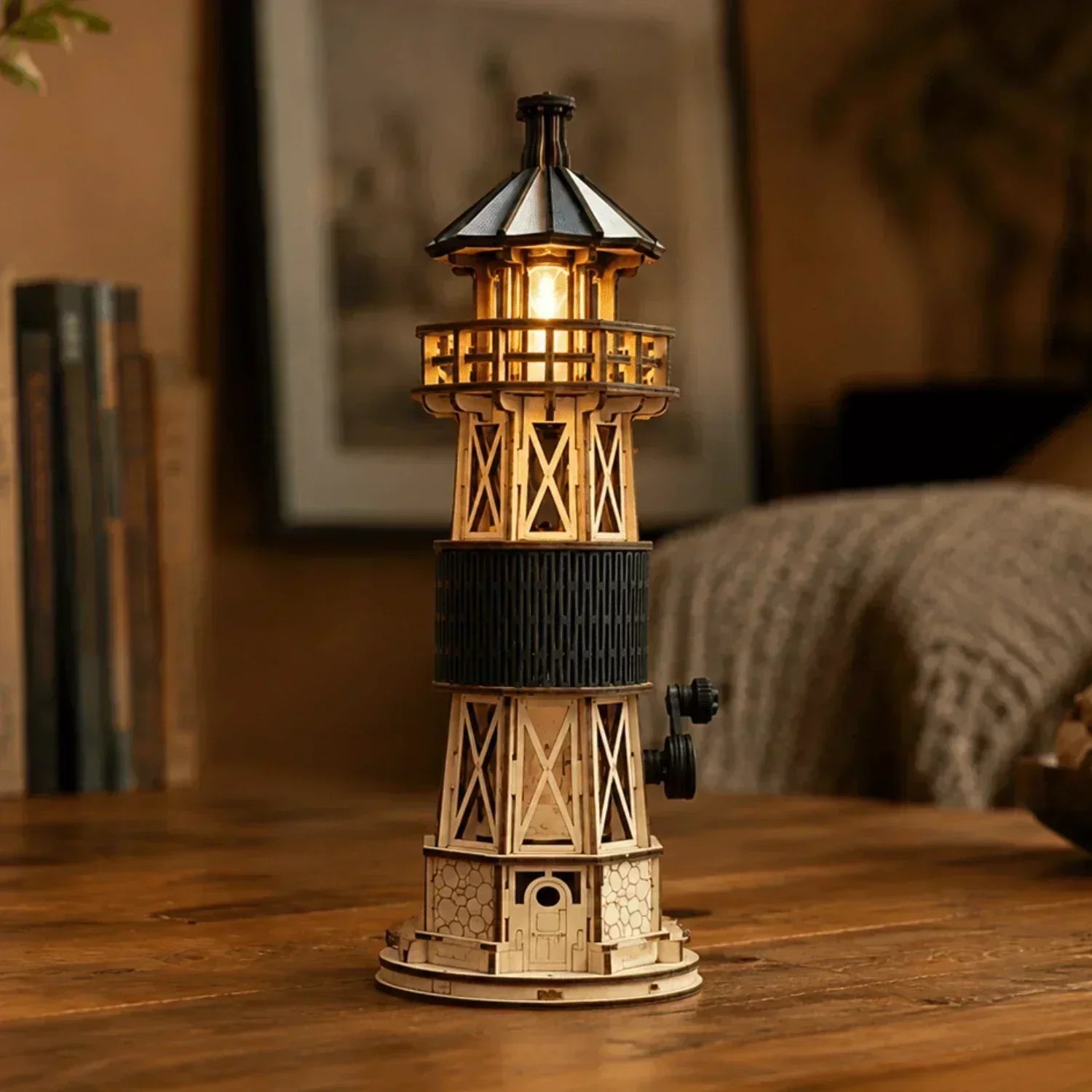




These tiny miniature worlds, which look like magical scenes nestled between two books or displayed on shelves and sideboards, are all the rage right now. But to ensure that the delicate components stay securely in place and you can enjoy your book nook for a long time to come, you’ll need the right adhesive. Not every adhesive is suitable for these individual parts, which are usually made of different materials such as wood, plastic, and paper. The wrong adhesive can damage the materials or leave visible marks—and that would be a shame for your lovingly crafted diorama.
In this guide, you'll learn which adhesives are best suited for your book nook and what you should definitely keep in mind when making your choice.
Why is choosing the right adhesive so important for the Book Nook?
A Book Nook thrives on the combination of different materials. That’s exactly where the challenge lies when it comes to gluing: You always need an adhesive that’s suited to the specific properties of the material. If you use a Book Nook adhesive that’s unsuitable for the material, the individual parts won’t hold together properly and may fall apart even with the slightest jolt. It can also damage the material, seep through it, and leave unsightly stains on the visible parts.
A book nook decorator must use these materials
To make a diorama look lively and realistic, wood or paper alone isn't enough. Small plastic windows, advertising signs, and neon signs made of metal or fabric elements add movement to the scene. That's exactly why many book nooks incorporate a variety of materials.
The Sakura Densya miniature house is a good example of this variety of materials. This set transports you to an atmospheric street scene with Japanese flair—complete with a tram, lanterns, cobblestones, and characters. The following materials are used in its construction, among others:
- Wood: for the structural frame and exterior facade
- Plastic: for windows, lamps, and transparent details
- Paper: for advertising signs, newspaper stands, posters
- Fabric: for small curtains or fabric banners
- Metal: for sign holders and decorative embellishments
Each of these materials places its own demands on the Book Nook adhesive.

The right adhesives ensure the stability of the components
The more delicate the model, the more important the stability of its individual parts becomes. If load-bearing elements such as walls, roofs, or platforms are not securely connected to one another, the entire diorama becomes unstable. Only Book Nook adhesive—which adheres well and is optimally matched to the parts—ensures that the components do not shift or come loose over time.
The decisive factor here is not only the initial adhesion, but also the so-called final strength, i.e., how durable the bond remains under load. This is particularly important with epoxy and all-purpose adhesives: if you apply load to components too early, you risk the bond coming apart or hardening unevenly.
Influence of the material on the choice of adhesive
Not every adhesive works equally well on every surface. Wood is usually porous and absorbent, which is why PVA glue or wood glue are ideal here. Plastic, on the other hand, has a smooth surface and therefore requires a diorama adhesive with higher adhesion. With metal parts, it is not only adhesion that plays a role, but also flexibility: an adhesive that is too rigid can break if the material warps slightly due to temperature fluctuations.
The clean look of the diorama depends on the Book Nook adhesive
The choice of adhesive also has a major impact on how cleanly the diorama is assembled in the end. Visible adhesive residue, smudged edges, or discoloration can significantly detract from the overall appearance.
Precisely because the Book Nooks are so delicate, aesthetics play a major role.
89% of our customers cite "high quality" as the main criterion for their purchasing decision – visible adhesive residue would be particularly annoying in this regard.
Tip: Fogging with superglue
If you suddenly notice white haze on smooth surfaces when working with superglue, this is usually a result of fogging. This occurs when volatile ingredients in the glue evaporate and settle as a fine deposit on adjacent materials—especially plastic or glass. What's particularly annoying is that these residues are difficult to remove and usually remain permanently stuck to the individual parts. To avoid fogging, use as little glue as possible, ensure good ventilation while crafting, and ideally use glues that are specifically labeled as "non-fogging" or transparent.
Safety and health aspects of gluing
Particular caution is required when working with superglue or epoxy adhesives. Many of these products contain solvents that can cause irritation, especially in poorly ventilated rooms. When using such adhesives, ensure there is a sufficient supply of fresh air and it is best to wear gloves.
What types of adhesives are suitable for book nooks?
Just as the materials in a book nook vary, so too must the adhesives you use. Here, we’ll introduce you to the most important types of adhesives—along with their strengths, weaknesses, and typical uses.
PVA glue: The classic choice for wood
PVA glue—often known as white glue or wood glue—is the first choice when you want to bond larger wooden surfaces together securely and permanently. It penetrates deep into the pores, dries clear, and can be easily removed with water when fresh.
Advantages:
- Ideal for porous materials such as wood or cardboard
- Non-toxic and therefore also suitable for craft projects with children
- long correction time before drying
Disadvantages:
- No adhesion on smooth surfaces such as plastic or metal
- Relatively long drying time (depending on humidity and layer thickness)
- No flexible connection – it can break when moved
Superglue for delicate detail work
If you need to work quickly or want to attach particularly small components, you might want to use superglue. It can be particularly useful for decorative elements made of plastic, metal, or paper—if you use it very sparingly.
When it makes sense:
- For precise fixing of small parts
- on smooth materials such as glass or metal
- if you don't want any visible adhesive marks
When to avoid:
- on absorbent surfaces such as untreated wood
- for components that can still move or warp
- On sensitive surfaces – risk of fogging!
Epoxy adhesive for particularly strong bonds
Epoxy resins consist of two components that harden when mixed and form an extremely strong bond. They are ideal for areas that are subject to constant heavy loads, such as load-bearing beams or moving parts.
Advantages:
- extremely high ultimate strength
- waterproof and temperature resistant
- reliably bonds almost all materials
Disadvantages:
- The mixing ratio must be exactly correct.
- usually short processing time
- Not ideal for visible areas – often dries milky or gray
B7000 Glue – the all-around workhorse for your book nook
The B7000 is particularly well-suited as a diorama adhesive. It was developed specifically for DIY and model-building projects and meets nearly all the requirements a Book Nook adhesive must have. Its greatest strength lies in its versatility: whether wood, plastic, metal, paper, fabric, or glass—the B7000 adheres to nearly all typical materials used in dioramas. This saves you the trouble of switching between different adhesives.

Precision is especially crucial when it comes to book nooks—many of the components are delicate, small, and fragile. The B7000 adhesive features a fine applicator tip that allows for precise and clean application. This means you can securely attach even the tiniest elements without the adhesive running or leaving visible marks. This is especially important on transparent surfaces like windows or on glossy surfaces, where traditional superglues can quickly become noticeable due to fogging or excess adhesive.
Another advantage: the B7000 remains slightly flexible after curing. This means that your adhesive bonds will not come apart immediately if materials move slightly due to temperature or tension—a real plus, especially with plastic or metal. At the same time, the adhesive dries crystal clear, so there are no unsightly edges, even in visible areas.
The fact that the B7000 works on almost all materials is a real advantage, especially for our experienced customers:
78% already have previous experience with DIY projects such as jigsaw puzzles, sewing, or diamond painting—and know how important it is to work precisely with the right adhesive.
Here's how to proceed step by step when gluing your diorama
You now have your diorama in front of you and have found a suitable Book Nook adhesive. Here, we'll show you step by step how to assemble and glue your Book Nook.
Prepare the workplace
You don't need much space to build your diorama. Since you will be working with very delicate components, it is best to find a well-lit table and work on a non-slip, easy-to-clean surface. Keep a small cloth handy so you can wipe off any glue residue right away.
Clean and roughen adhesive surfaces
To ensure a durable bond with your Book Nook adhesive, the surfaces to be bonded should be dry, dust-free, and as grease-free as possible. Smooth surfaces—whether made of plastic or metal—will adhere better if you lightly roughen them first. Fine-grit sandpaper or a fiberglass brush is perfectly sufficient for this. Be careful not to damage any visible areas, and remove the dust thoroughly after roughening. This allows the B7000 to adhere optimally and penetrate the contact surfaces evenly.
Apply adhesive sparingly and precisely
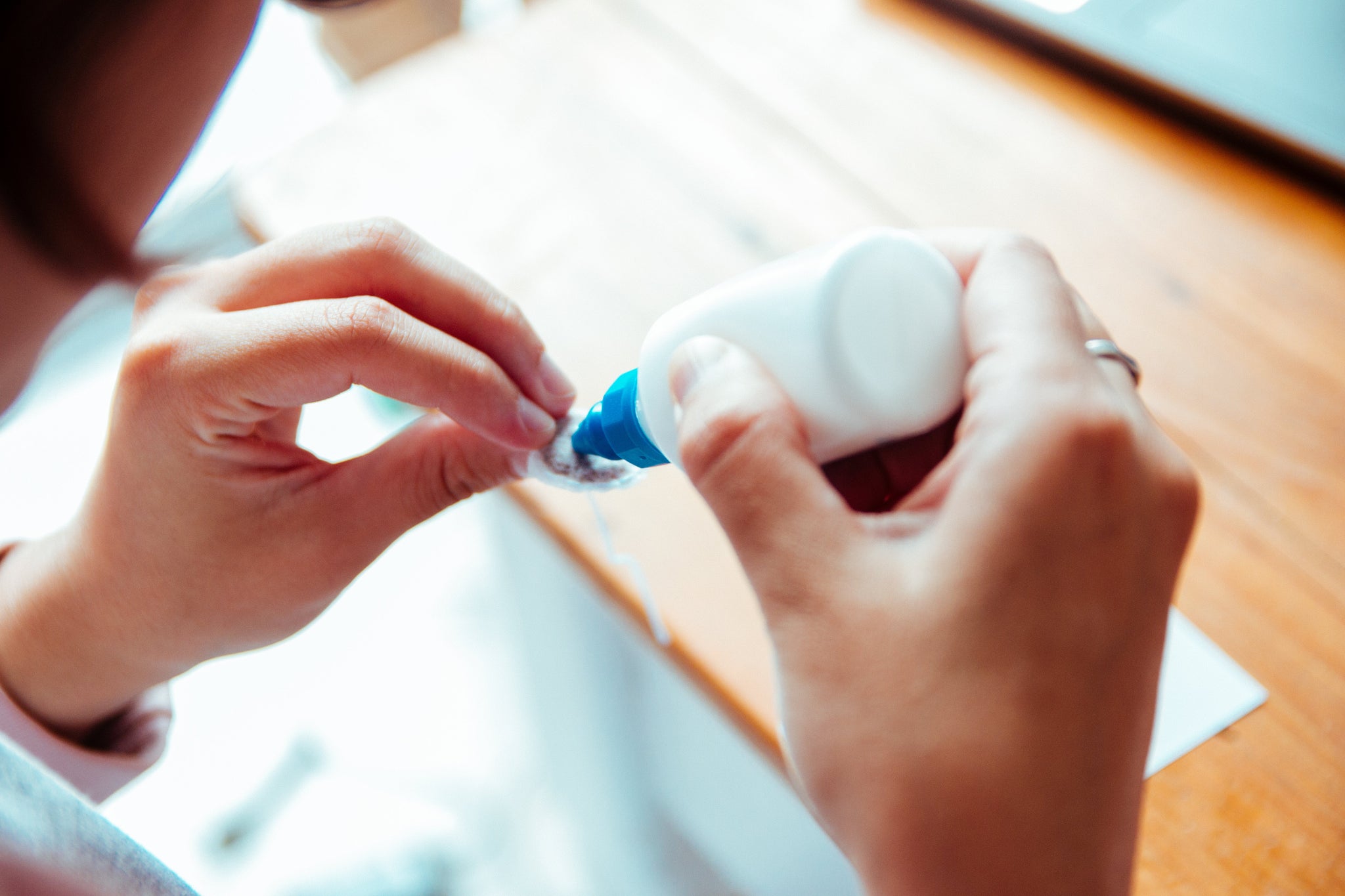
One of the great advantages of the B7000 is its precise dosing. Use the narrow applicator tip to apply only as much adhesive as is really necessary. If you are unsure about small areas, you can also apply the adhesive to a piece of paper and transfer it with a toothpick or a fine needle. In most cases, a thin line is sufficient for good adhesion.
Observe drying time and curing time
Even if the B7000 holds well at first, you should give it time to harden. Position the components carefully and press them lightly for a few seconds. Then simply leave them to rest – the adhesive will harden on the surface within a few hours, but will only reach its full strength after around 24 to 48 hours. If possible, secure sensitive areas with a small clip or adhesive tape.
What should you do if you have stuck something on incorrectly?
Despite all your care, it can still happen: a part is crooked, glue has leaked out, or you've accidentally connected two wrong parts together. The good news is that even with B7000 glue, small mistakes can be easily corrected if you react quickly and correctly. Depending on whether the glue is still wet or has already dried, there are different ways to save your diorama.
Correct mistakes immediately: remove adhesive while it is still fresh
If you notice immediately after applying the adhesive that something is not right, you need to act quickly. The B7000 remains flexible for the first few minutes and can be carefully wiped off with a clean cloth or cotton swab. You can also reposition or slightly loosen components during this phase. It is important not to rub too hard, as this will only spread the adhesive. Instead, dab off any excess adhesive and then move the part into the correct position.
Remove or sand down hardened adhesive
If the B7000 Diorama adhesive has already dried, removal becomes more difficult. Smaller residues can be carefully scraped off with a sharp craft knife or scalpel. You should proceed very carefully to avoid damaging the adjacent surfaces.
For smooth materials such as plastic or metal, you can try dissolving the adhesive with a little isopropyl alcohol or adhesive remover. However, always test such agents on an inconspicuous area first. Sandpaper helps with coarser adhesive edges, especially on wood—but only if the area will not be visible later.
Realign or replace components
If a part is crooked or beyond repair, sometimes the only option is to replace it completely. To do this, you must carefully remove the component and thoroughly clean the old adhesive from the surface.
Tip: Magicholz a free replacement service for this!
Are there any book nooks that don't require glue?
Not every diorama has to be glued together. Many Book Nook sets use clever snap-together systems.
Magicholz ’s “Grimms kleines Haus” Book Nook, for example, comes completely ready to assemble and can be put together without a single drop of glue. All components are designed to fit together perfectly—from the walls to the delicate balustrade.

Advantages of plug-in models
Modular diorama systems offer several advantages. For one thing, you don’t have to wait for anything to dry—you can usually finish your Book Nook in one go. There’s also no risk of glue stains or parts shifting out of place, since everything is secured mechanically. What’s especially convenient is that the models can be taken apart again if needed without damaging the connections.
When adhesive can still be useful
Even with plug-in systems, a little glue in the right place can be useful, for example, if you want to permanently fix particularly delicate parts or stabilize a slightly wobbly component. In such cases, B7000 glue is also ideal. A small drop in the right place is enough to further stabilize your diorama.
Bottom line: With the right glue, your Book Nook will become a masterpiece
A Book Nook is a little world full of charming details, stories, and meticulous craftsmanship. To ensure everything fits perfectly and you can enjoy your diorama for years to come, you’ll need not only a little patience and creative skill, but also the right adhesive. With the B7000 adhesive, you have a solution at your fingertips that can handle almost anything and is suitable for all the materials included in a Book Nook set.
When everything literally fits together in the end, you get a result that you can proudly display on your bookshelf or sideboard.