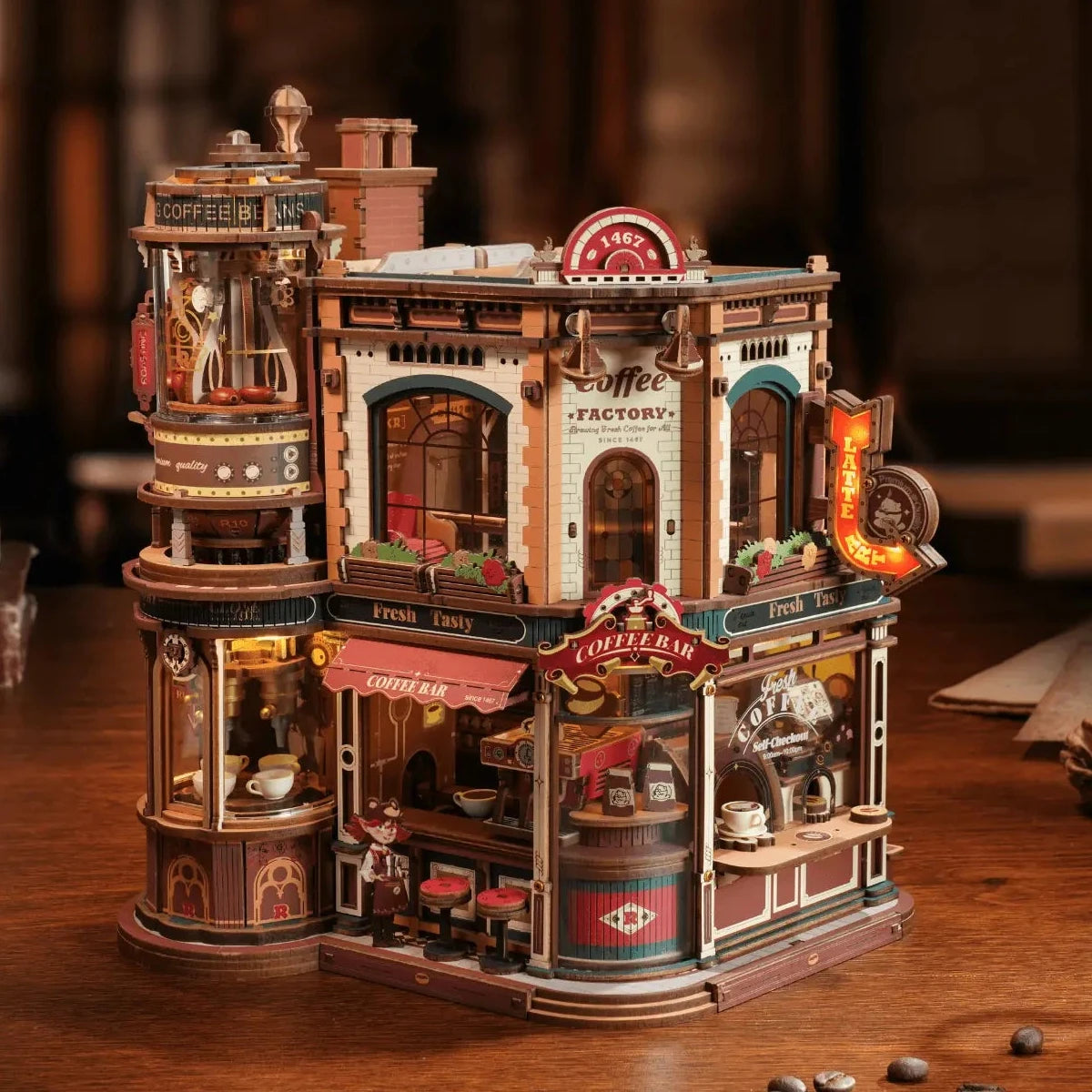


A woman wins a Book Nook at a raffle in the Sauerland region. She turns the box over in her hands, spots four letters on it, and asks the man at the booth what “MaHo” actually means.
He explains it to her. She says, “I know Magic Holz.” The abbreviation didn’t ring a bell for her.
This little scene has stuck with us because it shows what happens when someone else talks about your brand. On the last weekend in August, MagicHolz was featured for two days at a model-building exhibition with about 80 exhibitors. Michael was there.
Michael asked, not us
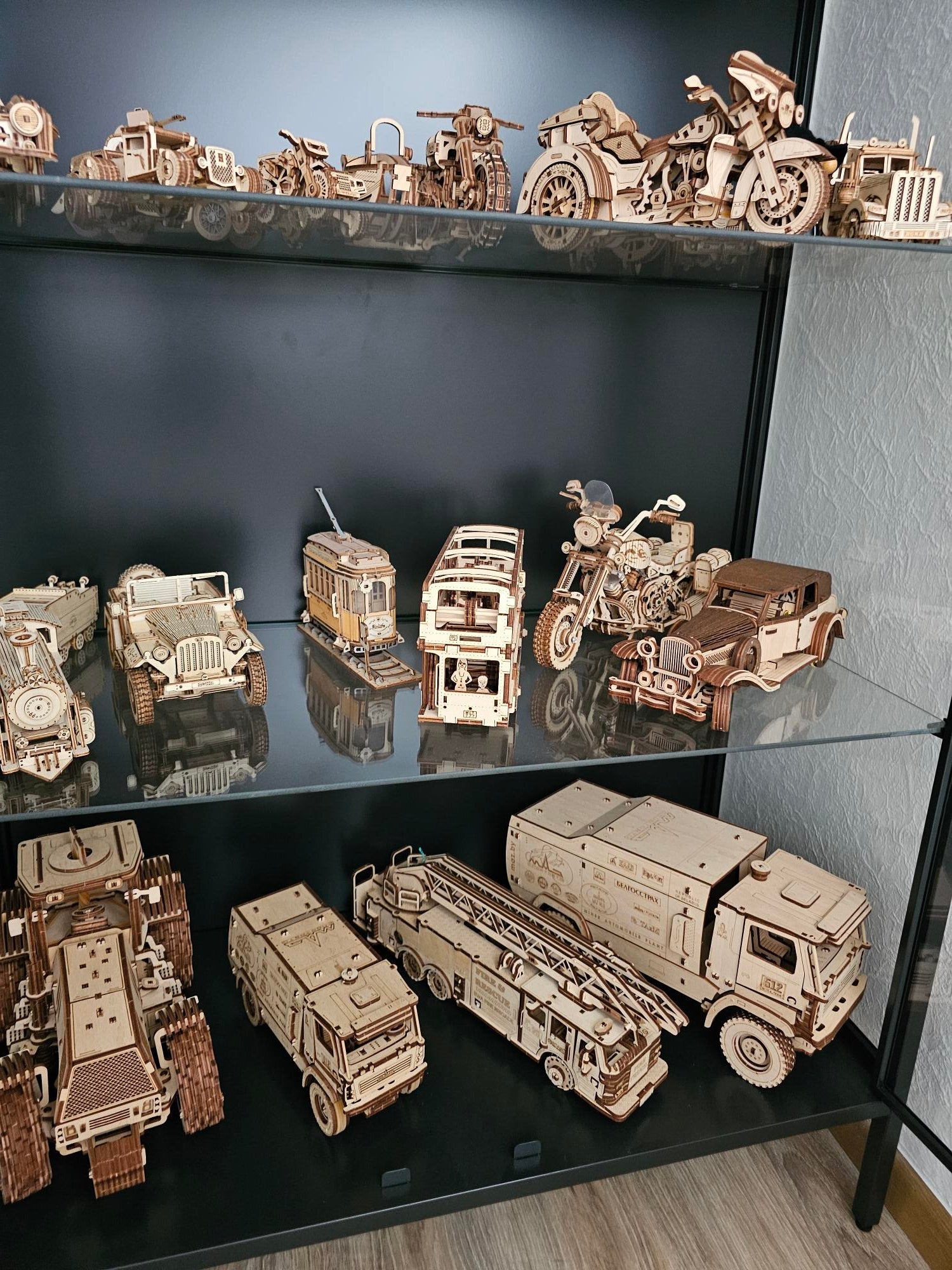
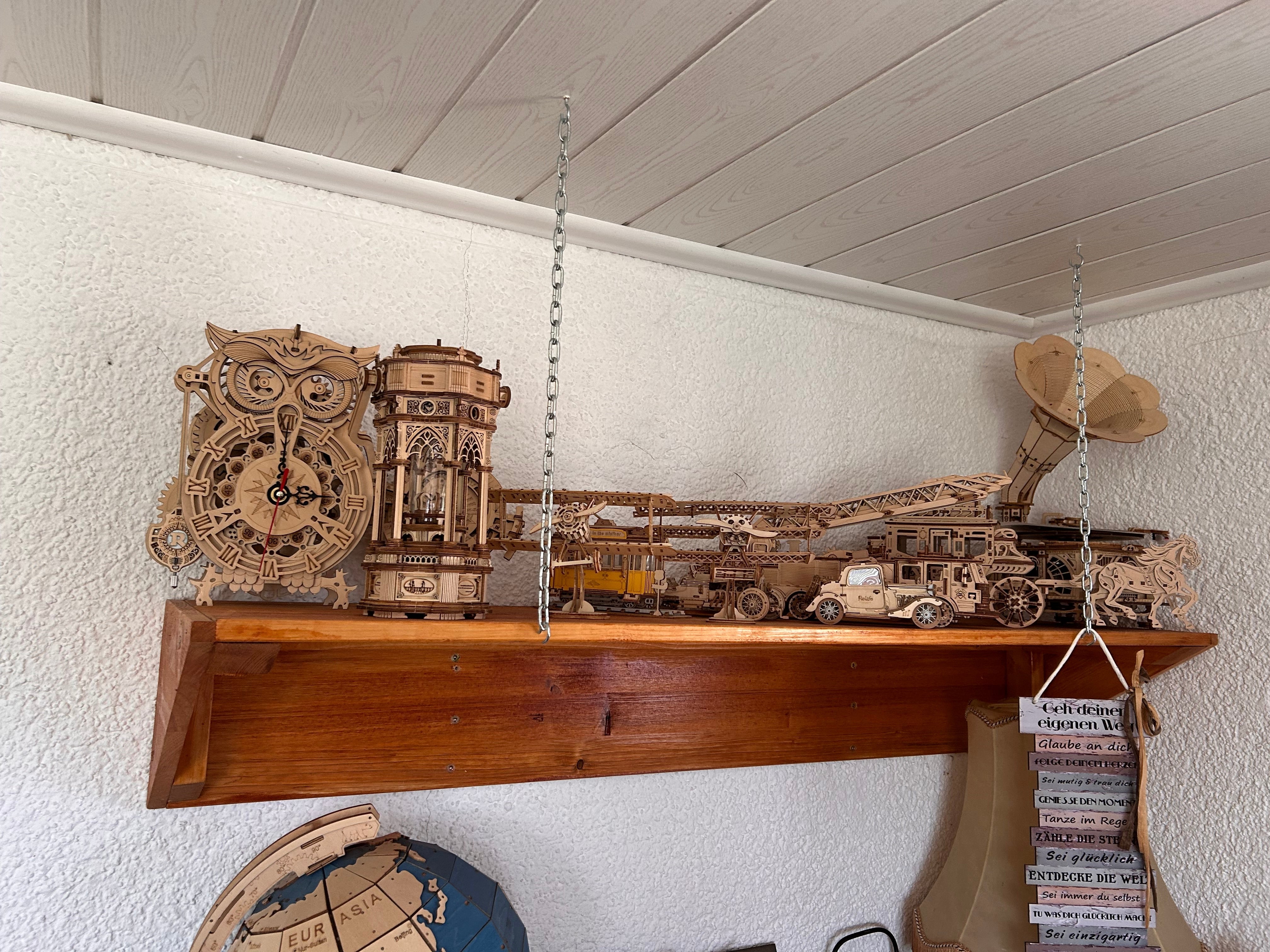
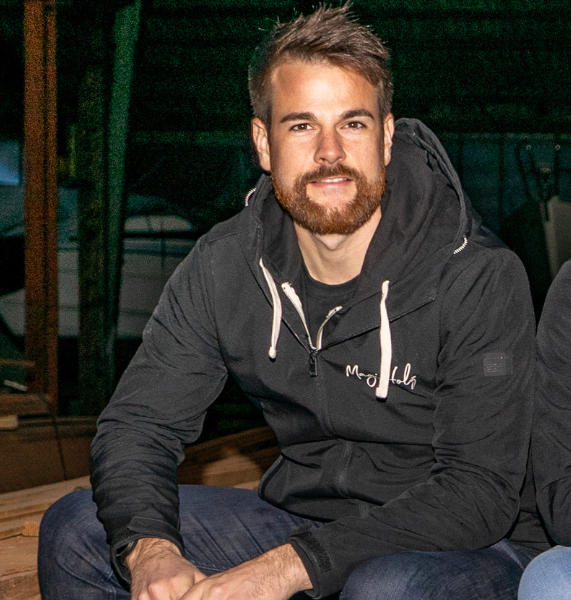
Michael R. is one of our customers and a member of the Hemer Model Building Club. He reached out to us—not the other way around: His club exhibited at the Grohe Forum in Sauerlandpark Hemer on August 29 and 30, along with about 80 other exhibitors, and organized a raffle to benefit the German Children’s Cancer Aid Foundation.
We contributed two Book Nooks for the raffle, ten wooden flowers for the craft corner, and another Book Nook that Michael used to showcase our brand. By the end of the weekend, all the raffle tickets had been sold.
That's the unspectacular part. The interesting part is what Michael heard during those two days.
What Happened at the Booth
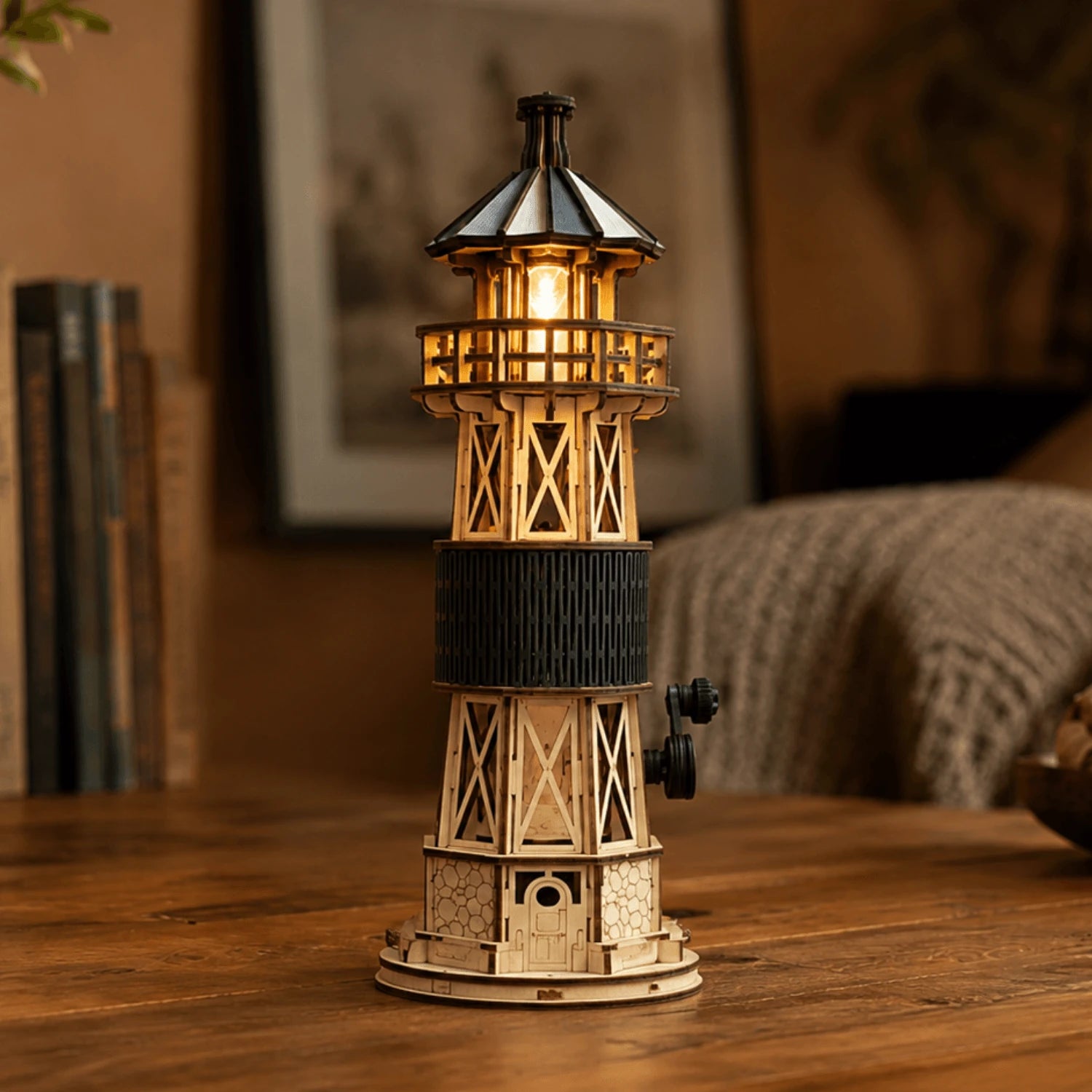
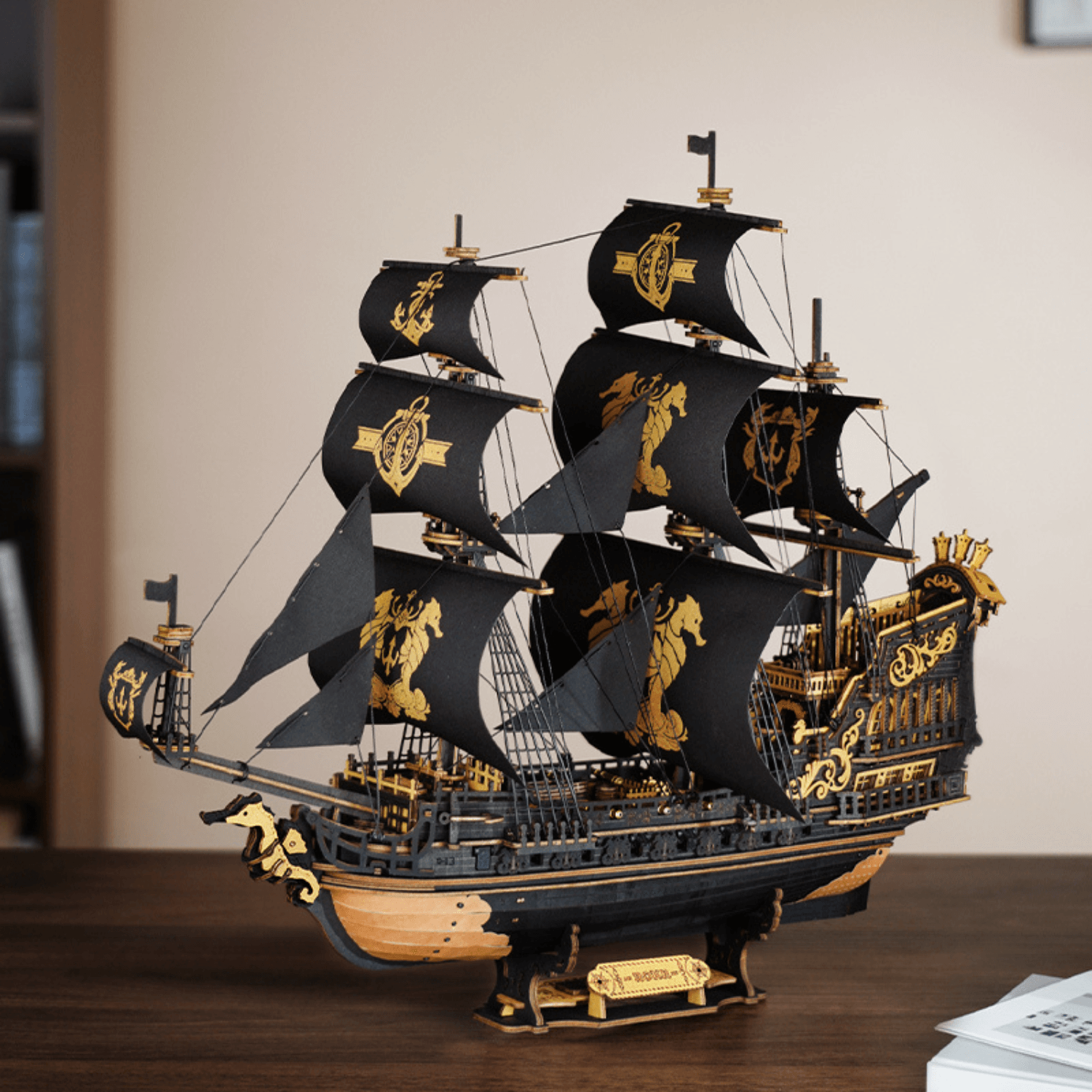
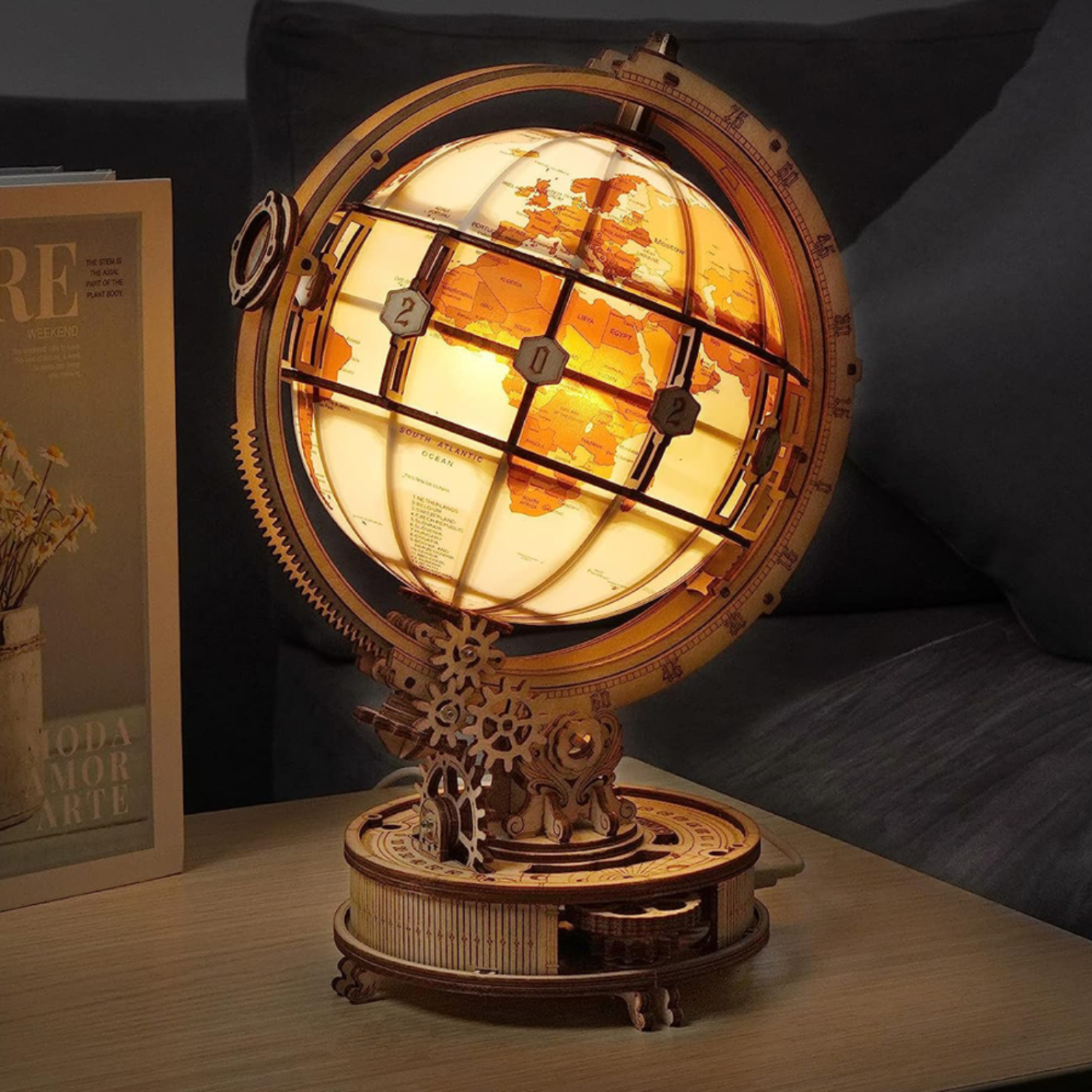
In the craft corner, children and adults could assemble a model kit in exchange for a donation; they could choose from models by Revell, Metal Earth, and us. For us, this is an unusual mix: plastic, metal, and wood all side by side on a table, with people making their selections right there on the spot.
Michael writes a sentence about this that has made us think longer than he probably realizes:
We had a lot of visitors at our booth featuring wood and Book Nook models, as we showcased a new aspect of model building that is also well-suited for beginners.
Traditional model building has a high barrier to entry: gluing, painting, patience, and tools. A wooden kit that can be assembled by slotting the pieces together is, for many, their very first introduction to the hobby. Book Nooks were featured at this booth for the first time, and it seems they were exactly what opened the door for many.
And a table full of people who, for a little while, are building something with their hands instead of staring at their screens—that’s pretty much the exact moment we exist for.

What Michael heard—things that usually never reach us
We get feedback every day, but almost always from people who have already made a purchase. Michael spent two days talking to people who didn't know us. That gives us a completely different perspective on ourselves.
Whenever someone asked where they could buy these items, I always gave them one of your flyers. Some people ask what other kits are available. I would have liked to have had a catalog on hand to show them right there. Instead, I could only refer them to your website.
That’s a valid request, but we’re still going to have to say no. Our catalog is our online store, and that’s how it will remain for the time being. The reason is simple: Our product lineup is constantly changing; a printed catalog would already be out of date by the day it was delivered, and the amount of paper that would be required is simply disproportionate for us.
For someone standing at a trade show booth who gets asked what else is available, that’s still a real gap. We’ll take that point on board, without promising that it will ultimately result in a catalog.
And what didn't work
The most valuable part of Michael's feedback is the unpleasant one. Ten wooden flowers were made in the arts-and-crafts corner; all ten were completed, but it wasn't easy:
I think it's a bit too difficult for kids ages 9 to 11 who haven't practiced, but with some help, they can manage. It's good that the kits come with spare parts.

This is consistent with our age recommendations, but it makes it clear that an age recommendation in the store is different from a child who sits down at a booth with no prior experience. Anyone buying a kit for a child of this age should plan on sitting with them while they build it.
And yet, all ten flowers turned out just right. That’s exactly what it’s all about for us: turning “Can I do this?” into “I did it!” By the way, we always provide replacement parts for free—not just at our booth.
And then there's this:
In one of the model kits—the iris—one part was labeled incorrectly: B2 instead of A2. And similar parts, such as C10 and C3, were mixed up. But it was still fun.
A mislabeled part is exactly the kind of mistake that turns a relaxing afternoon into a search-and-rescue mission. We’ve taken note of the issue internally and are reviewing the labeling for this kit. The fact that Michael noticed the mistake, pointed it out, and in the same breath wrote that he still had fun says a lot about him.
Why we're writing this down in the first place
We could have written this post as a success story. A donation to the Children’s Cancer Fund, all raffle tickets sold, a big turnout at the booth. All true, all nice to read, but none of it offers any new insights.
What's more interesting is that a customer takes two days of his free time to explain our models, address objections, hand out flyers, and then write us feedback that could serve as a sales report—including the parts where we didn't come across well.
Michael would like to go again next year. So would we.
The book nooks everyone's been talking about
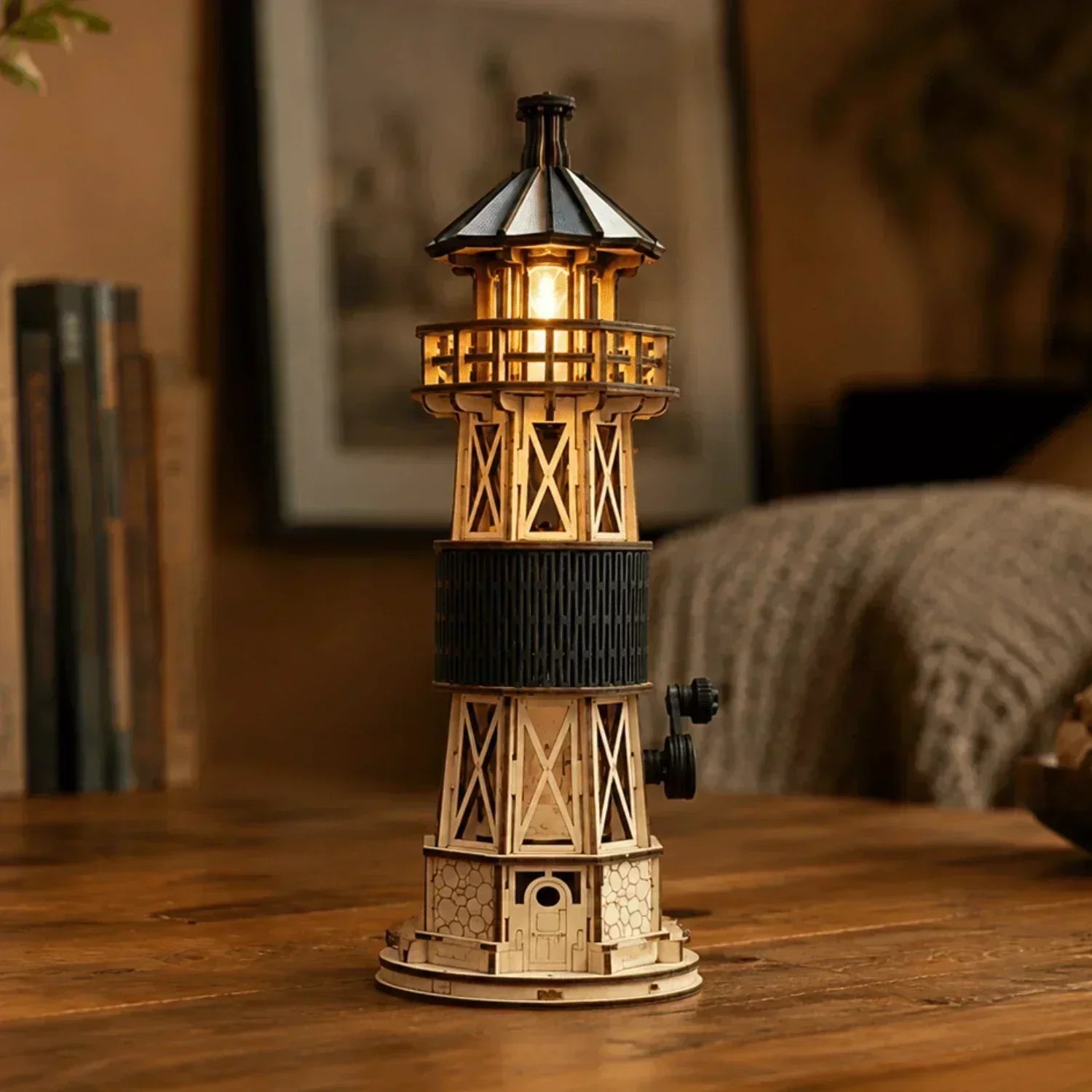
If you want to know what drew the biggest crowds at the booth: it was the illuminated miniature worlds for bookshelves.
Thanks to Michael R. and the Hemer Model Building Club. You represented us for two days—and did a better job than we could have done ourselves.
If you're part of a club that's planning something similar, please email us at info@magicholz.de. We're here to listen.
Your MagicHolz